
The delicate balance of flavors and textures in authentic Makizushi is nothing short of a culinary delight. Picture the gentle bite of perfectly seasoned sushi rice wrapped snugly around vibrant fillings like fresh sashimi-grade tuna and crisp cucumber. Just the thought alone has me craving a cozy evening in the kitchen, preparing this beloved dish. After a week filled with hectic schedules and takeout meals, I yearn for the soothing ritual of crafting my own sushi.
I remember the first time I rolled my own hosomaki. It was a delightful mix of anticipation and joy, an experiment that led to not just a meal, but a memorable experience shared with friends. This recipe is for anyone who has ever found themselves disenchanted by fast food, longing instead for the real flavors of home. Trust me—you’ll be surprised how simple it is to whip up elegant sushi right in your own kitchen, and I promise, your family and friends will be impressed. Let’s roll up our sleeves and dive into making this easy yet delicious authentic Makizushi!
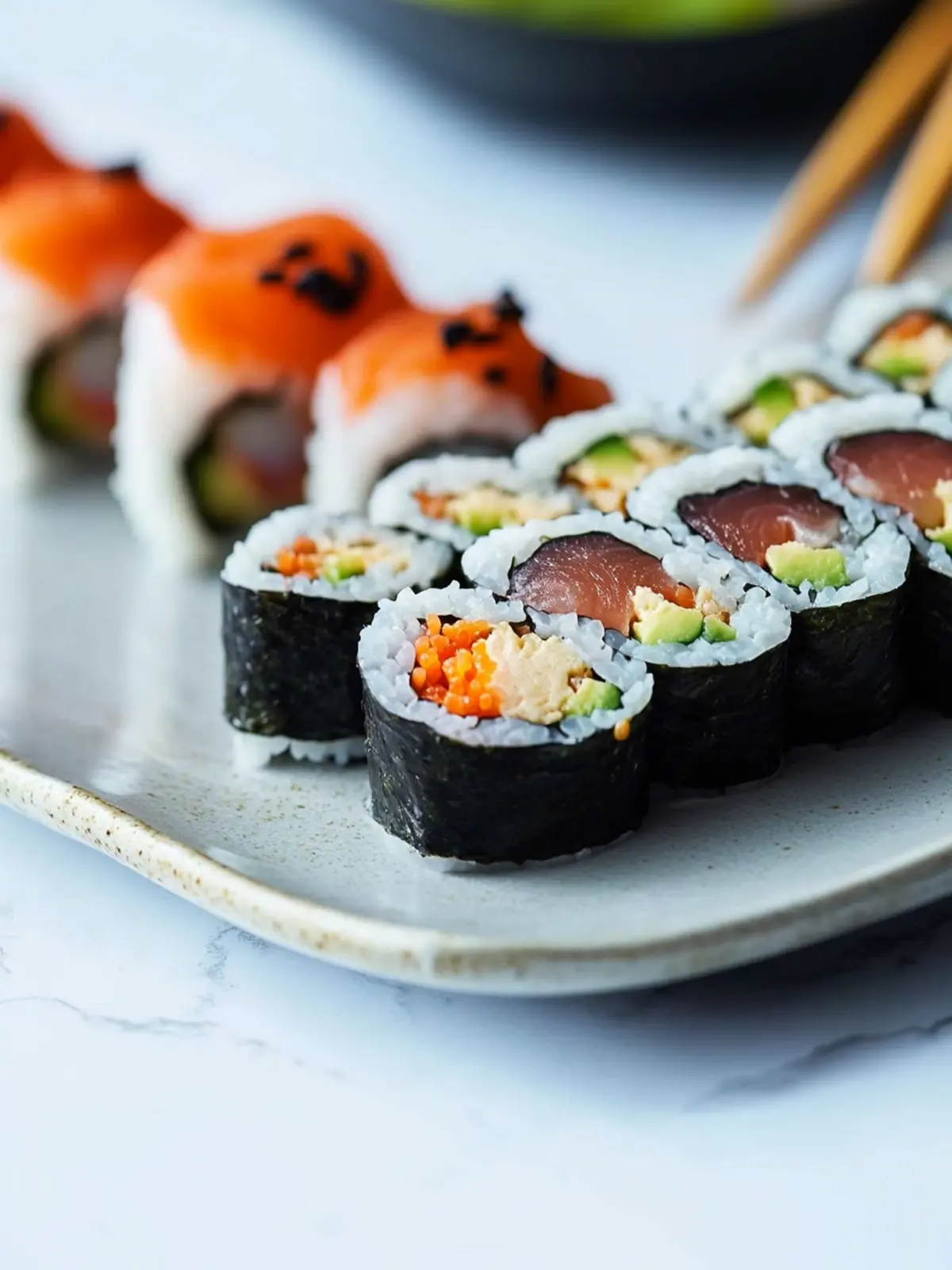
Why is Authentic Makizushi a Must-Try?
Deliciously Fresh: Homemade Authentic Makizushi showcases the freshness of high-quality ingredients like sashimi-grade tuna and crisp cucumber, offering flavors that surpass takeout.
Fun to Make: Engaging in the process of sushi rolling transforms a simple meal into an interactive experience—a fantastic way to bond with family or friends.
Customizable: Adjust fillings to cater to everyone’s taste with options like avocado or crab, making it versatile and appealing to all.
Impressive Presentation: These sushi rolls are a feast for the eyes! A beautifully crafted makizushi platter makes for stunning party food or a special dinner.
Healthier Choice: Skip the preservatives found in fast food; crafting your sushi means you control every ingredient.
Quick & Easy: Once you master the technique, sushi rolling becomes a breezy weeknight meal, allowing you to enjoy flavorful homemade sushi in no time.
Authentic Makizushi Ingredients
Ready to roll up some homemade deliciousness? Here’s what you’ll need to make your very own Authentic Makizushi.
For the Sushi Rice
• Japanese short grain rice – Use high-quality rice for that perfect sticky texture that holds rolls together.
• Kombu (dried kelp) – Adds a depth of umami flavor to your sushi rice as it cooks.
• Rice vinegar – Essential for seasoning your rice and giving it that signature tang.
• Sugar – Balances out the vinegar, creating a harmonious flavor.
• Salt – Enhances flavors, using either kosher or sea salt for the best results.
• Water – Necessary for cooking the rice to fluffy perfection.
For the Filling
• Persian/Japanese cucumber – Offers a refreshing crunch; feel free to swap with avocado for a creamier texture.
• Sashimi-grade tuna – Freshness is key; it’s what makes your rolls shine in flavor and quality.
• Natto (fermented soybean) – Adds a unique taste and texture; it’s a traditional element in Japanese rolls.
For the Wrap
• Nori (seaweed) – This is the vessel for your sushi. Ensure it’s fresh for the best flavor and crispness.
For Serving (Optional)
• Soy sauce – The ultimate dipping companion for your sushi rolls, adding an extra punch.
• Wasabi – Spice things up with this zesty condiment (optional for those who like a kick!).
• Sushi ginger – This palate cleanser enhances your sushi experience and offers a sweet contrast.
With these ingredients, you’re all set for crafting Authentic Makizushi that your loved ones will rave about!
How to Make Authentic Makizushi
-
Rinse the Rice: Begin by rinsing the Japanese short grain rice several times under cold water until the water runs clear. Soak it in water for at least half an hour for optimal texture and stickiness.
-
Cook the Rice: Cook the rinsed rice in a rice cooker with the appropriate amount of water as per your machine’s markings. If using a pot, add just over half a liter of water. Don’t forget the kombu for enhanced flavor!
-
Prepare the Seasoning: In a small pan, combine rice vinegar, sugar, and salt. Warm over medium-high heat, stirring until the sugar dissolves, then set aside to cool.
-
Mix the Rice: Once cooked, transfer the rice into a damp flat-bottomed dish. Gently fold in the cooled sushi vinegar with a spatula. Cover with a wet cloth to keep it moist.
-
Slice the Cucumber: Trim the ends of your cucumber, then slice it lengthwise into halves and again into quarters, removing the seeds to create about 8 slender strips for filling.
-
Cut the Tuna: Slice the sashimi-grade tuna into ¼ – ½ inch pieces, then cut those into long strips of the same thickness to complement your rolls perfectly.
-
Prepare the Natto: In a bowl, season the natto with soy sauce, stirring until it reaches a gooey consistency, enhancing its unique flavor.
-
Prepare Dipping Water: Mix ¼ cup water with 1 tablespoon of rice vinegar in a small bowl. Dipping your hands in this mixture will help prevent the rice from sticking as you work.
-
Set the Nori: Cut a sheet of nori in half and lay one half shiny side down on your bamboo sushi mat. Align the edge of the nori closest to you with the mat.
-
Spread the Rice: Moisten your measuring cup with vinegared water, scoop ½ cup of sushi rice, and gently spread it on the nori, leaving a 1-inch border at the top for rolling. Place your filling in the center, then roll tightly over the filling, shaping it as you go.
-
Slice and Serve: Using a damp knife, cut your hosomaki into 6 equal pieces. Serve with soy sauce, wasabi, and sushi ginger for an authentic experience.
Optional: Try adding avocado for a creamy twist!
Exact quantities are listed in the recipe card below.
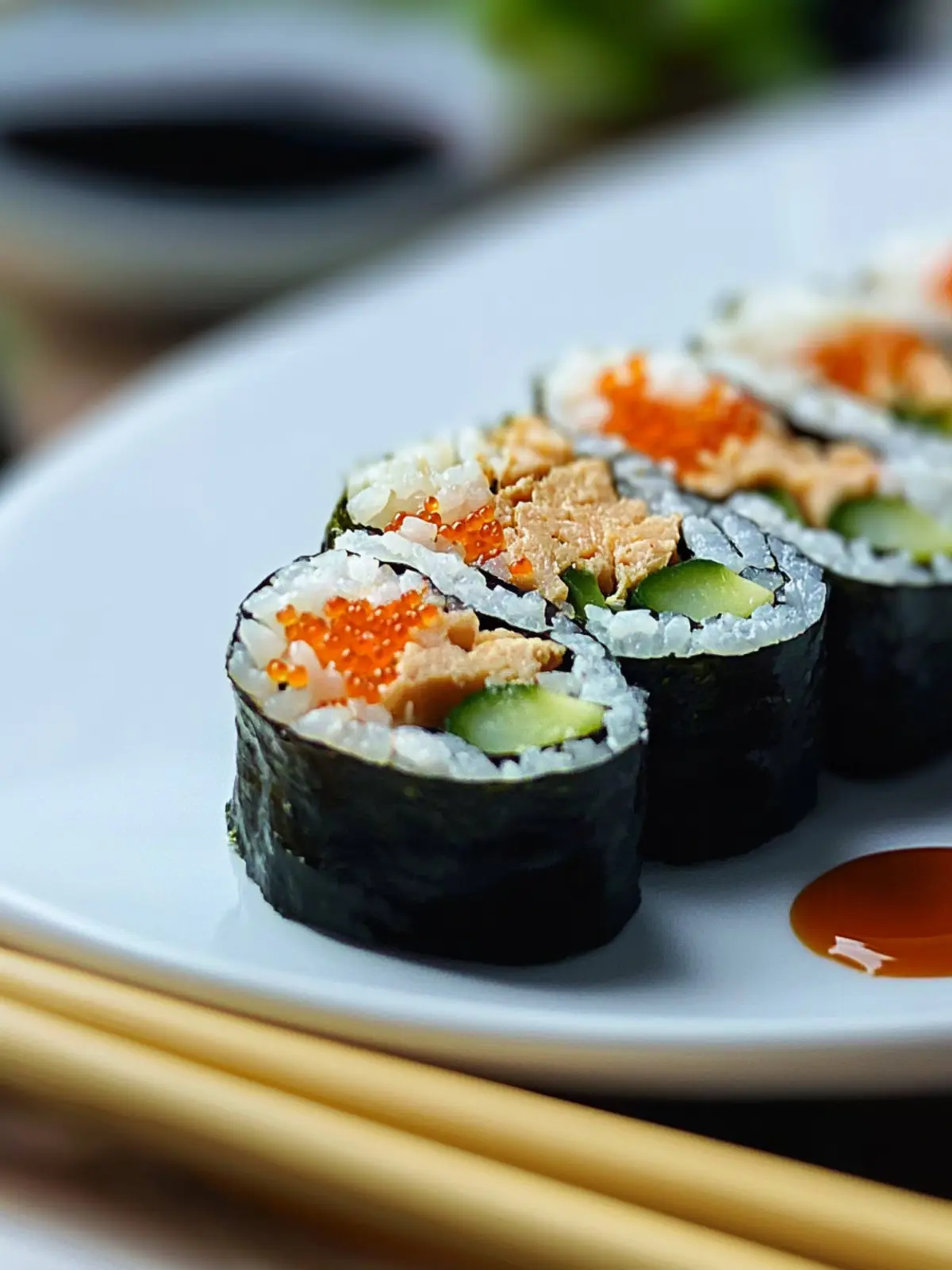
How to Store and Freeze Authentic Makizushi
Fridge: Store leftover authentic Makizushi in an airtight container in the fridge for up to 2 days to maintain freshness. Wrapping it in plastic wrap helps prevent the nori from becoming soggy.
Freezer: For longer storage, you can freeze uncut hosomaki. Wrap tightly in plastic wrap and place in a freezer-safe bag for up to 1 month, though this may slightly alter the texture.
Reheating: If you’re enjoying thawed sushi, it’s best to let it sit in the fridge overnight and serve it cold. Reheating is not recommended, as it can affect the quality of the rice.
Serving Fresh: For the best experience, make your authentic Makizushi fresh whenever possible, as the ingredients are at their prime flavor and texture when enjoyed immediately.
What to Serve with Authentic Makizushi?
Elevate your sushi night with delicious sides and pairings that balance flavors and textures beautifully.
-
Edamame: These lightly salted, steamed soybeans add a pop of vibrant color and a satisfying bite that complements sushi perfectly.
-
Miso Soup: A warm bowl of this savory broth offers a comforting start to your meal, pairing beautifully with the fresh flavors of hosomaki.
-
Seaweed Salad: This refreshing salad adds a delightful crunch and umami flavor that harmonizes wonderfully with your sushi creations. Besides, the colorful presentation is a feast for the eyes!
-
Pickled Vegetables: A tangy side of pickled radishes or cucumbers cleanses the palate and adds a zesty contrast to the richness of the tuna and natto.
-
Sushi Ginger: This sweet, pickled condiment isn’t just a garnish; it’s a complimentary flavor that enhances each bite, making your sushi experience even more authentic.
-
Sake: Pair your delicious rolls with a chilled glass of sake, which beautifully enhances the flavors, creating a perfect harmony with the rice and fresh fillings.
-
Tempura: Offer a side of crispy tempura vegetables for a delightful crunch, adding another texture and flavor layer to your meal.
Each of these options not only fits seamlessly with your rolls but also turns an ordinary dinner into an extraordinary gathering. Enjoy the experience!
Make Ahead Options
These Authentic Makizushi are a fantastic choice for meal prep enthusiasts! You can prepare the sushi rice and season it up to 24 hours in advance; store it in an airtight container in the fridge to maintain its moisture and flavor. Additionally, the cucumber can be sliced and stored in a small container with a bit of water to keep it crisp, perfect for up to 3 days. For a flavorful filling, slice the sashimi-grade tuna and keep it covered in the refrigerator for up to 48 hours. When you’re ready to roll, simply reassemble the components by spreading the prepped rice on nori and adding your fillings, ensuring a delightful meal with minimal effort and just as delicious as fresh!
Tips for the Best Authentic Makizushi
Fresh Ingredients: Use high-quality sushi rice and sashimi-grade fish; freshness truly elevates your Authentic Makizushi to restaurant-quality.
Avoid Over-Soaking: Rinse the rice thoroughly but avoid soaking it for too long; soaking for about 30 minutes is ideal to achieve proper texture.
Vinegar Mix Magic: Always cool the rice vinegar mixture before adding it to the rice; this helps ensure even flavor distribution in your sushi.
Moisten Hands: Use vinegared water to wet your hands while handling the rice; this prevents it from sticking and creates a cleaner sushi rolling experience.
Roll Tightly: When rolling the sushi, apply even pressure to keep it compact; a loose roll can fall apart when you slice it.
Cutting Technique: Use a sharp knife moistened with water to slice through the rolls gently; this reduces tearing and maintains the beautiful presentation of your Authentic Makizushi.
Authentic Makizushi Variations
Customize your culinary experience with these delightful twists on authentic Makizushi! Each variation invites you to explore new flavors and textures that will make your sushi night even more special.
-
Vegetarian Delight: Substitute sashimi with avocado, bell pepper, or sweet potato for a vibrant veggie roll. Perfect for when you’re craving something fresh and healthy!
-
Spicy Tuna: Mix a bit of mayo with sriracha to create a zesty filling with sashimi-grade tuna. This adds a delicious kick to each bite; your taste buds will thank you!
-
Crunchy Tempura: Add tempura-fried vegetables or shrimp inside your rolls for an extra crunch. The texture will create a delightful contrast with the tender rice.
-
Fruit Fusion: Replace traditional fillings with mango or strawberries for a sweet twist. The juicy fruit will surprise and delight, making your sushi rolls truly unique!
-
Nutrient Boost: Swap natto for diced cooked edamame or tofu for a protein-packed alternative. It makes the rolls more filling; a wonderful option for a wholesome meal.
-
Savory Umami: Incorporate pickled vegetables, like daikon or carrots, for a tangy flavor boost. They add a satisfying crunch and pair perfectly with the rice.
-
Heat Lover’s Choice: For those who love spice, include fresh jalapeño slices or a swipe of spicy wasabi inside the rolls. It’ll ignite your taste buds with a thrilling warmth!
-
Seafood Medley: Alternate the tuna with fresh salmon or shrimp for a seafood platter-inspired roll. Each variety brings a different flavor, making it perfect for a sushi sampling night.
Now that you know how to customize your Authentic Makizushi, gather your loved ones and let the flavor experimentation begin! Happy rolling!
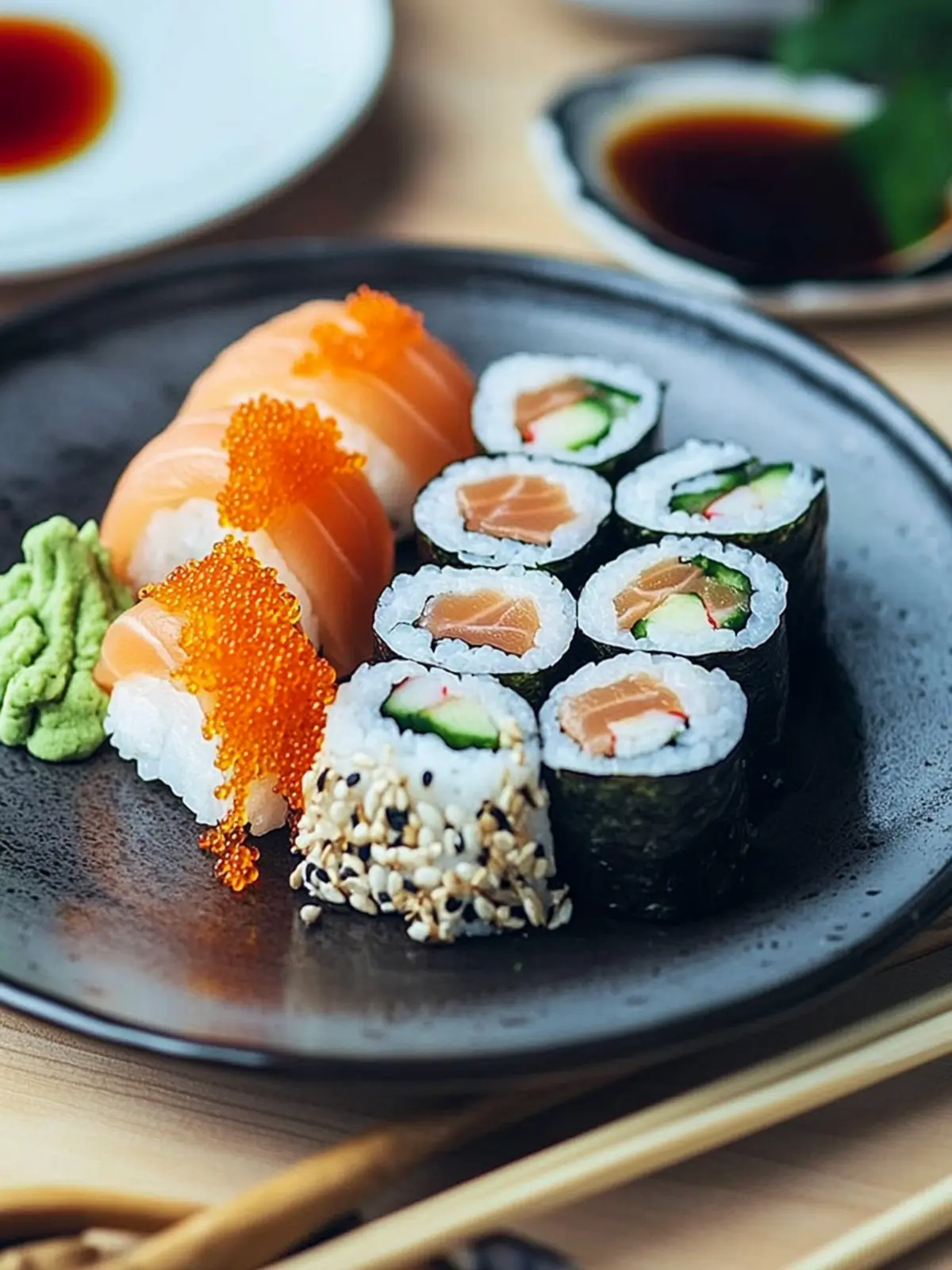
Authentic Makizushi Recipe FAQs
How do I choose the best ingredients for Authentic Makizushi?
Absolutely! When selecting your ingredients, opt for high-quality sushi rice and sashimi-grade tuna, as freshness is key for a delightful flavor. Look for rice that is labeled “Japanese short grain” for the perfect sticky texture. For the fish, check with your fishmonger for the freshest catch, and ensure it has a vibrant color and a clean ocean scent.
How should I store leftover Authentic Makizushi?
Leftover authentic Makizushi should be stored in an airtight container in the fridge for up to 2 days. If you wrap the rolls in plastic wrap before placing them in the container, it will help keep the nori from becoming soggy. When you’re ready to enjoy, just take them out and savor!
Can I freeze Authentic Makizushi?
Yes! You can freeze uncut hosomaki, but it’s best to wrap it tightly in plastic wrap and then place it inside a freezer-safe bag for up to 1 month. Keep in mind that freezing may slightly change the texture of the rice, so I recommend enjoying it fresh whenever possible for the best experience.
What should I do if my sushi rice is too sticky?
If your sushi rice turns out too sticky, it could be due to over-soaking or using too much water while cooking. I suggest rinsing your rice several times until the water runs clear to remove excess starch. When cooking, be sure to follow your rice cooker’s instructions for the correct water-to-rice ratio. If you encounter sticky rice during rolling, wetting your hands with a vinegar-water mixture can make it easier to handle.
Are there any dietary considerations for making Authentic Makizushi?
Very! While the ingredients in authentic Makizushi are quite wholesome, it’s important to consider any allergies, especially when using seafood or soy sauce. If you’re serving to others, be mindful of those with allergies to fish or gluten. You can easily substitute the tuna for cooked protein or vegetables for a vegetarian option, and opt for a gluten-free soy sauce to accommodate dietary restrictions.
How can I enhance the flavor of my Authentic Makizushi?
To elevate the flavors of your authentic Makizushi, consider adding a few drops of sesame oil to the rice vinegar mixture for a delightful twist, or incorporate sliced avocado for creaminess. You might also experiment with pickled vegetables like carrots or radish for an added crunch and acidity. The more the merrier—don’t hesitate to get creative with your fillings!
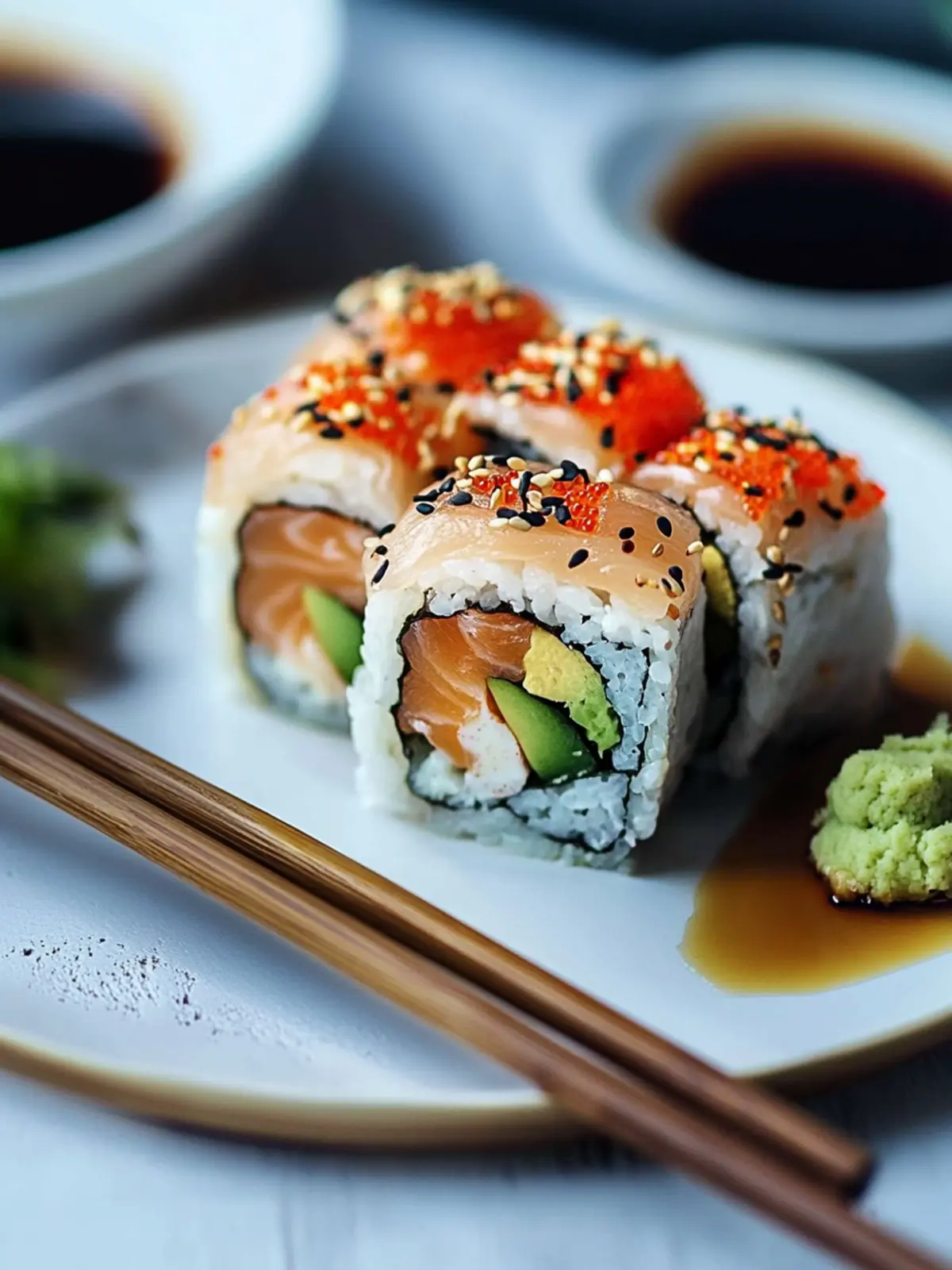
Master Authentic Makizushi: Craft Delicious Sushi Rolls Home
Ingredients
Equipment
Method
- Rinse the Rice: Rinse the Japanese short grain rice under cold water until the water runs clear. Soak for at least 30 minutes.
- Cook the Rice: Cook the rinsed rice in a rice cooker with the appropriate amount of water. Add kombu for enhanced flavor.
- Prepare the Seasoning: Combine rice vinegar, sugar, and salt in a small pan. Warm and stir until sugar dissolves, then cool.
- Mix the Rice: Transfer the cooked rice to a damp dish and fold in the cooled vinegar mixture. Cover with a wet cloth.
- Slice the Cucumber: Trim and slice the cucumber lengthwise into strips.
- Cut the Tuna: Slice the tuna into strips to complement the rolls.
- Prepare the Natto: Season natto with soy sauce until gooey.
- Prepare Dipping Water: Mix water and rice vinegar to dip hands in and prevent rice from sticking.
- Set the Nori: Lay a half sheet of nori on a bamboo mat, aligning it with the edge of the mat.
- Spread the Rice: Moisten a measuring cup, scoop rice, and spread on nori, leaving a border at the top. Add filling and roll tightly.
- Slice and Serve: Cut hosomaki into pieces with a damp knife and serve with soy sauce, wasabi, and sushi ginger.