
The first chill of autumn in the air brings to mind the inviting warmth of a bubbling Shabu Shabu pot simmering at the center of the table. This traditional Japanese hot pot is more than just a meal; it’s an interactive dining experience that turns dinner into a delightful social gathering. As I prepare for a cozy evening with friends or family, I can’t help but feel the excitement build at the thought of cooking tender slices of marbled beef, vibrant vegetables, and silky tofu right before everyone’s eyes.
With each dip and swirl in the rich, savory kombu broth, the flavors come alive, creating a warm embrace that draws us closer together. Whether you stick to the classic beef or explore other proteins like succulent pork or fresh seafood, Shabu Shabu is incredibly versatile and gluten-free—making it perfect for anyone looking to create a nourishing, wholesome feast.
So grab your favorite ingredients, gather those you love, and let’s embark on this delightful culinary journey that celebrates the simplicity and quality of homemade food.
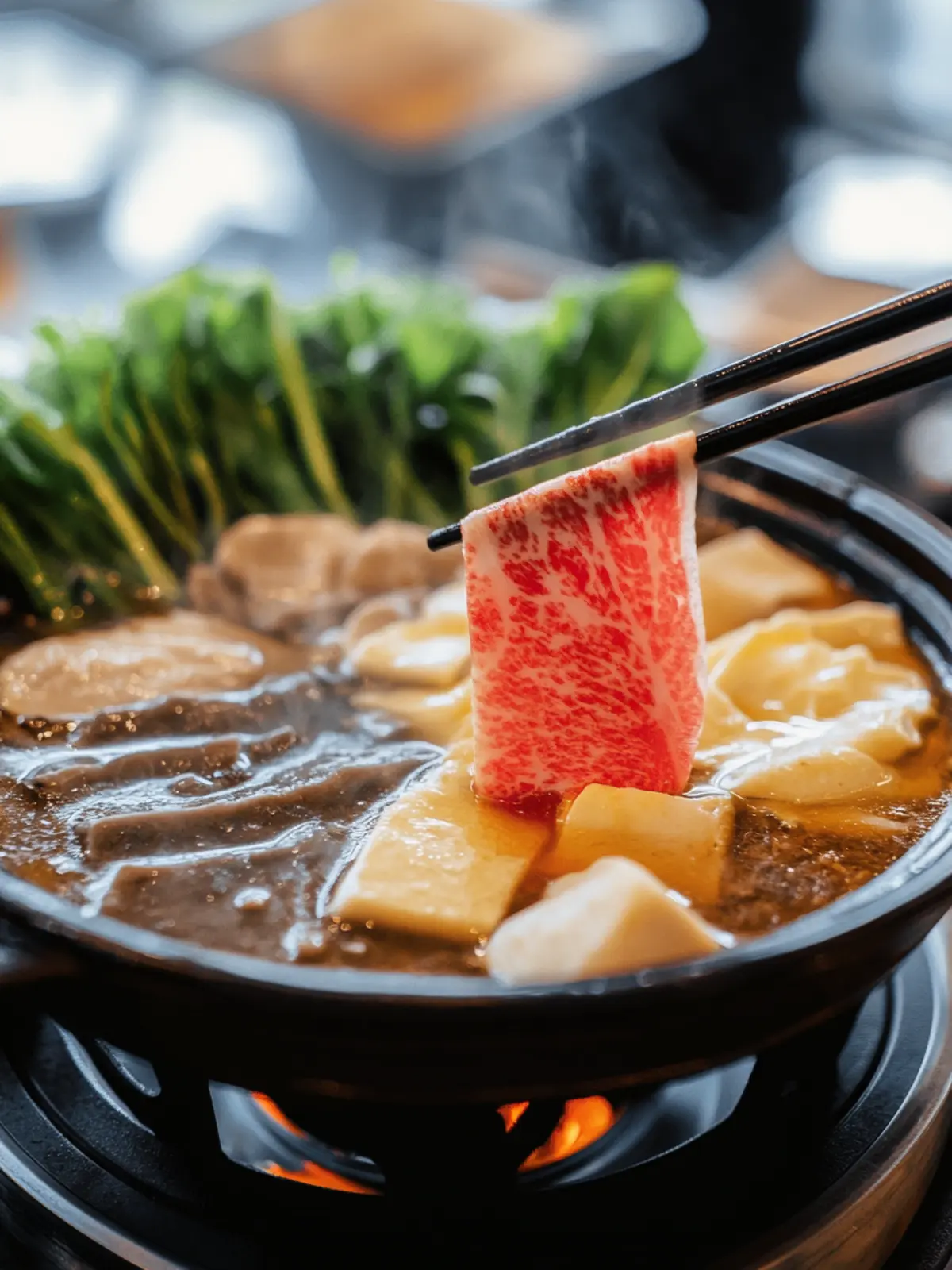
Why Is Japanese Shabu Shabu So Special?
Interactive dining: Gather your loved ones around the table to enjoy a fun and communal cooking experience.
Flavorful broth: The kombu-infused broth creates a delicate umami base that elevates each ingredient.
Versatile options: Easily switch proteins or add seasonal vegetables to suit your taste and dietary needs.
Quick cooking: Each slice of meat cooks in seconds, allowing for a swift yet satisfying meal.
Nourishing choice: With a balance of protein and veggies, this dish is both hearty and healthy.
For an additional twist, consider incorporating different protein variations to keep things exciting!
Japanese Shabu Shabu Ingredients
For the Broth
• Kombu (Dried Seaweed) – Essential for the broth, imparting umami; use dashi stock for convenience.
• Water – The base for the broth; essential for cooking.
For the Proteins
• Thinly Sliced Beef (Ribeye or Sirloin) – Main protein source, prized for tenderness and marbling; substitute pork or chicken for variations.
• Tofu – Creamy element that absorbs flavors; firm tofu may also be used for sturdiness.
• Seafood (Optional) – A fresh alternative to beef; shrimp or scallops can be quick-cooked for a delightful twist.
For the Vegetables
• Napa Cabbage – Adds a crunchy texture; use bok choy as a substitute.
• Shiitake Mushrooms – Contribute earthy notes; avoid stems for a more tender bite.
• Enoki Mushrooms – Provide a delicate crunch; can replace with shimeji mushrooms.
• Spring Onions – Adds freshness and a mild onion flavor; can use green onions.
• Carrot – Adds sweetness and color; can substitute with daikon radish.
For the Noodles
• Udon Noodles – Offers a hearty, chewy texture; rice noodles can be an alternative.
For the Dipping Sauces
• Ponzu Sauce – Bright, citrusy dipping sauce; replace with soy sauce mixed with lime for a simpler option.
• Sesame Dipping Sauce – Adds creaminess and nuttiness; tahini can be used as a substitute.
Optional Additions
• Cooked Rice – Complements the meal; can be omitted if not desired.
• Seasonal Vegetables – Feel free to add bell peppers or zucchini for additional variety.
Now that you have the ingredients, it’s time to gather your loved ones and prepare for a cozy night in with this delightful Japanese Shabu Shabu experience!
How to Make Japanese Shabu Shabu
-
Prepare the Broth: Soak the kombu in 1.5 liters of water for 30 minutes, then heat it over medium heat until just before boiling. Remove the kombu and keep the broth warm.
-
Chop the Vegetables: Take your napa cabbage and chop it into bite-sized pieces. Trim the shiitake and enoki mushrooms, then slice the carrot; arrange these colorful veggies beautifully on a platter.
-
Cube the Tofu: Cut the tofu into bite-sized cubes. Handle it gently, placing it alongside the vegetables on the platter for a lovely presentation.
-
Arrange the Beef: Lay the thinly sliced beef on a separate plate or in an accessible area. This makes it easy for everyone to grab as they cook!
-
Set Up the Hot Pot: At the table, place a portable stove or electric hot pot. Transfer the warm kombu broth into it and keep it simmering gently.
-
Start Cooking: Begin by dipping the beef slices into the hot broth for 10-20 seconds until they’re cooked through. Enjoy immediately with a dash of dipping sauce!
-
Add More Ingredients: After the beef, add the vegetables, tofu, and udon noodles to the hot broth one at a time, allowing each ingredient to soak up the delicious flavors as they cook.
-
Serve with Rice: If you like, serve the Shabu Shabu with cooked rice on the side, and enjoy the enriched broth as a delightful finish to your meal.
Optional: Garnish with freshly grated ginger for an extra layer of flavor.
Exact quantities are listed in the recipe card below.
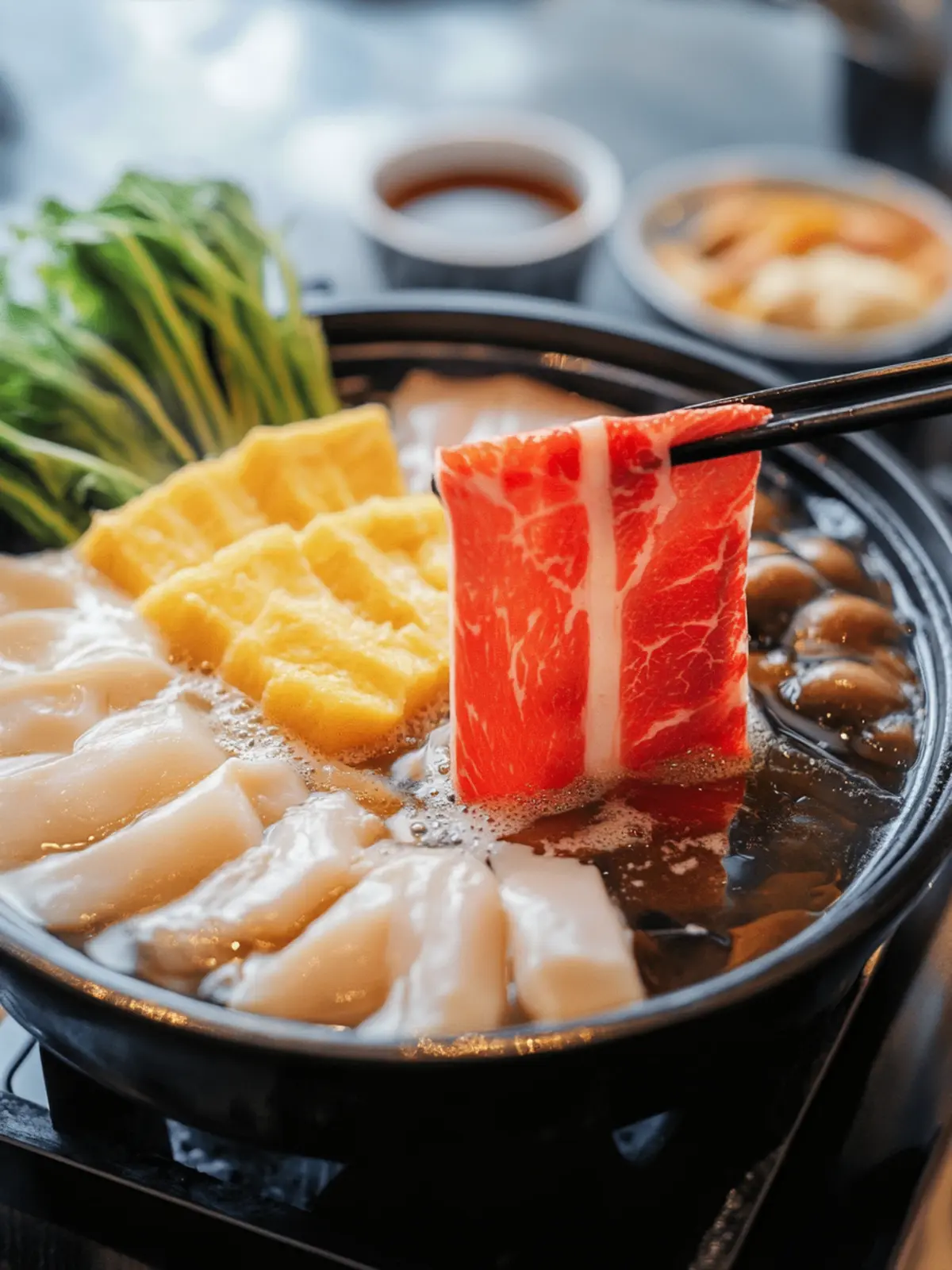
Expert Tips for Japanese Shabu Shabu
-
Slice Thinly: Ensure that the beef is sliced thinly for quick cooking; uneven pieces can lead to a chewy texture.
-
Maintain Broth Temperature: Keep your kombu broth at a simmer to cook ingredients evenly and preserve their delightful textures.
-
Explore Sauces: Try different dipping sauces to find your perfect flavor balance—the contrast between ponzu and sesame is especially enjoyable!
-
Tofu Handling: Be gentle when dealing with tofu, as its delicate nature means it can break easily—so treat it with care!
-
Prep Ahead: To minimize stress, prepare all ingredients in advance, keeping sliced beef and vegetables separated in the refrigerator until you’re ready to cook.
What to Serve with Japanese Shabu Shabu?
Nothing complements the warmth and interaction of a hot pot dinner like the right side dishes and drinks.
-
Steamed Jasmine Rice: This fluffy, aromatic rice pairs perfectly, soaking up the flavorful broth and making every bite even more satisfying.
-
Japanese Pickles: A tangy contrast, these add a refreshing crunch and balance the richness of the broth, keeping your palate engaged.
-
Sesame Spinach Salad: Lightly seasoned with sesame oil, this salad offers a nutty flavor and earthy notes to harmonize with your meal.
-
Miso Soup: A classic side that fills the meal with comforting umami, the warm broth complements the light Shabu Shabu beautifully.
-
Green Tea: This calming tea acts as a wonderful palate cleanser, enhancing the meal’s flavors while providing a soothing touch.
-
Shaved Ice Desserts: End the meal on a sweet note with refreshing treats like Kakigori, offering a delightful contrast to the savory dishes enjoyed.
Japanese Shabu Shabu Variations
Feel free to play with the ingredients in your Shabu Shabu to create the perfect combination that suits your taste!
- Pork Swap: Use thinly sliced pork belly or tenderloin instead of beef for a different flavor profile and richness.
- Chicken Delight: Swap beef for thinly sliced chicken breast; it cooks quickly and offers a lighter taste.
- Seafood Medley: Incorporate shrimp, scallops, or even fish; they add a fresh, oceanic twist to your Shabu Shabu experience.
- Gluten-Free Noodles: Replace udon with rice noodles for a gluten-free option that still offers a satisfying chew.
- Veggie Boost: Add a medley of mushrooms like oyster or portobello for varying textures and earthy flavors.
- Spicy Kick: Introduce sliced Thai chilies or chili oil for a delightful zesty warmth that elevates the dish.
- Herb Infusion: Brighten up the broth with fresh herbs like cilantro or basil for an aromatic finish.
- Savory Add-Ins: Toss in some sliced bell peppers or zucchini for a seasonal touch that enhances the veggie mix.
Each variation offers a unique spin on this cherished dish, enhancing your interactive dining adventure! Enjoy customizing to find your favorite combination!
How to Store and Freeze Japanese Shabu Shabu
Fridge: Store leftover cooked Shabu Shabu in an airtight container for up to 3 days. Keep broth and solid ingredients separate to maintain texture and flavor.
Freezer: If you have uncooked ingredients, freeze sliced beef and vegetables in separate bags for up to 2 months. Thaw in the refrigerator before heating.
Reheating: Reheat broth in a pot over medium heat until simmering, then add cooked ingredients to warm thoroughly before serving. This will help preserve the delightful taste of your Japanese Shabu Shabu.
Make-Ahead Tip: Prepare broth in advance and refrigerate it for a quick boil when you’re ready to enjoy the warm, interactive dining experience with loved ones.
Make Ahead Options
These Japanese Shabu Shabu preparations are perfect for busy weeknights and ensure a stress-free mealtime! You can slice the beef and chop the vegetables up to 24 hours in advance; simply keep them separated in airtight containers in the refrigerator to maintain freshness. The kombu broth can be made ahead of time—prepare it and refrigerate for up to 3 days, then reheat on the stove just before serving. When it’s time to enjoy your Shabu Shabu, all you have to do is set up the hot pot with the warm broth and let everyone dive into the interactive fun of cooking their meal right at the table! This not only saves time but also preserves the dish’s delightful flavors and textures for a memorable dining experience.
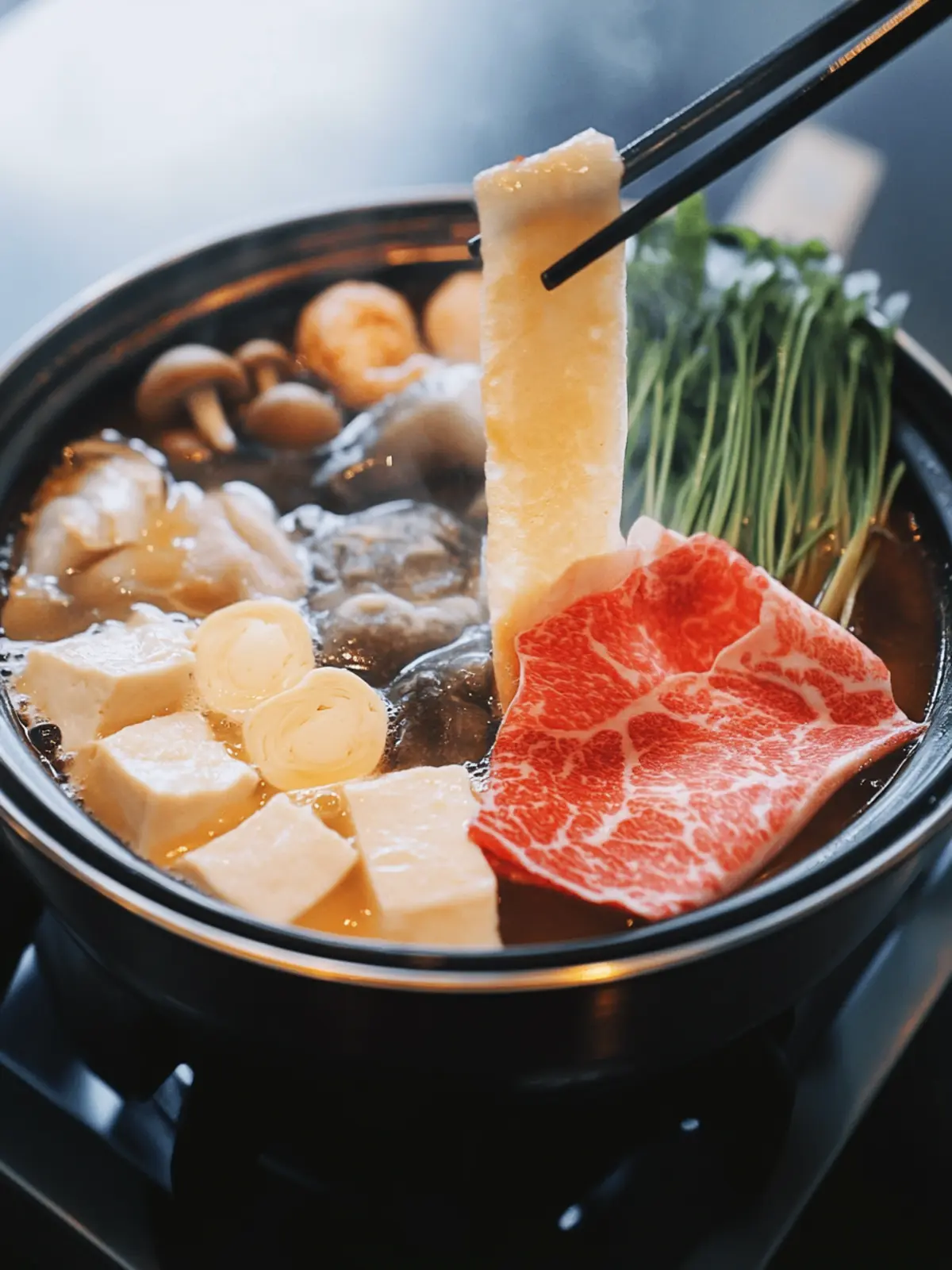
Japanese Shabu Shabu Recipe FAQs
What kind of beef is best for Shabu Shabu?
Absolutely! Thinly sliced ribeye or sirloin is ideal due to its tenderness and rich marbling. If you’re looking to mix it up, you can use pork or chicken, but ensure they’re also sliced thinly for quick cooking.
How should I store leftover Shabu Shabu?
To keep your leftovers fresh, store them in an airtight container in the fridge for up to 3 days. It’s best to separate the broth and solid ingredients to retain their textures and flavors. Additionally, for best results, avoid combining sauces with the leftovers.
Can I freeze Shabu Shabu ingredients?
Yes, if you have uncooked ingredients, you can freeze sliced beef and vegetables in separate freezer bags for up to 2 months. Be sure to thaw them in the refrigerator before use to ensure even cooking and retain their fantastic flavor.
What if my broth is too salty?
If you find your kombu broth is too salty, you can balance it out by adding extra water or low-sodium broth incrementally until achieving your desired flavor. Alternatively, adding more vegetables can naturally mellow out the saltiness.
How do I prepare the tofu for Shabu Shabu?
To prepare tofu, carefully remove it from packaging and drain any excess water. Cut it into bite-sized cubes, handling gently to prevent breakage. You can also press it lightly between two plates to remove more moisture if you prefer firmer tofu for your dish!
Is Shabu Shabu suitable for gluten-free diets?
Very! Just make sure to select gluten-free dipping sauces, such as a homemade ponzu sauce made with gluten-free soy sauce. Also, ensure that the broth and any additional ingredients are gluten-free to maintain a safe dining experience!
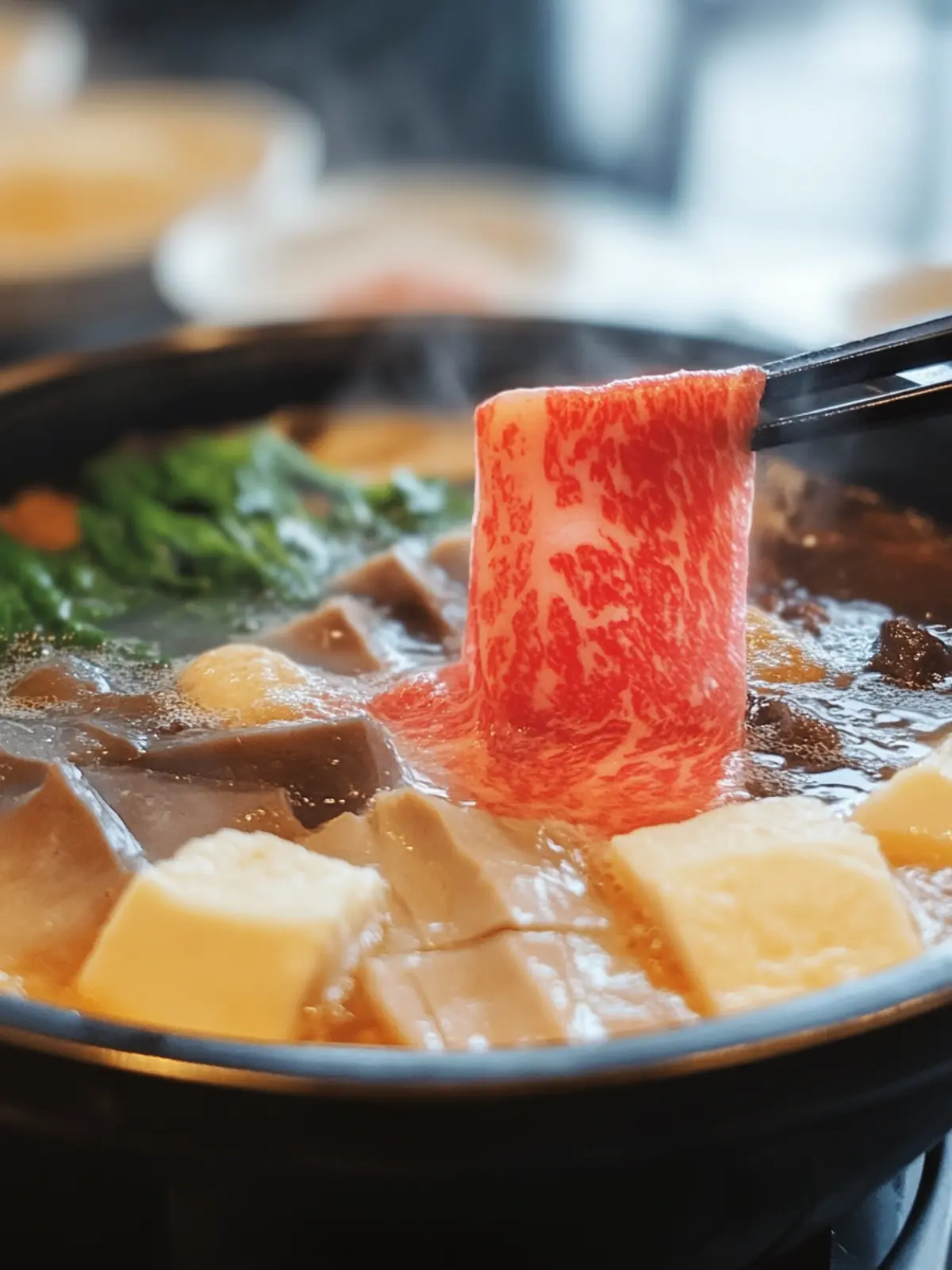
Savor Authentic Japanese Shabu Shabu for Cozy Nights In
Ingredients
Equipment
Method
- Soak the kombu in 1.5 liters of water for 30 minutes, then heat it over medium until just before boiling.
- Remove the kombu and keep the broth warm.
- Chop the napa cabbage into bite-sized pieces, trim the shiitake and enoki mushrooms, and slice the carrot, arranging them on a platter.
- Cut the tofu into bite-sized cubes and place it alongside the vegetables.
- Lay the thinly sliced beef on a separate plate.
- At the table, place a portable stove and transfer the warm kombu broth into it.
- Dip the beef slices into the hot broth for 10-20 seconds until cooked through.
- Add vegetables, tofu, and udon noodles to the hot broth one at a time.
- Serve with cooked rice on the side.