
There’s something captivating about the artistry of Japanese sashimi – a dish that transforms the simplest of ingredients into an elegant experience. Picture yourself savoring the freshest slices of sushi-grade fish, like luscious tuna or tender salmon, each piece artfully presented without the distraction of rice. This culinary gem relies on quality and craftsmanship, allowing the natural flavors of the fish to take center stage.
I discovered the beauty of sashimi during a quiet evening when I craved something different from the usual dinner routine. The delicate textures and vibrant colors of the fish, paired with refreshing garnishes like daikon radish and cucumber, whisked me away to a serene sushi bar in Tokyo. What I love most about sashimi is its versatility; whether you’re hosting guests or simply enjoying a light meal, it always leaves an impression.
Join me as we explore how to prepare this exquisite dish, bringing a taste of Japanese cuisine to your home kitchen in just a few simple steps!
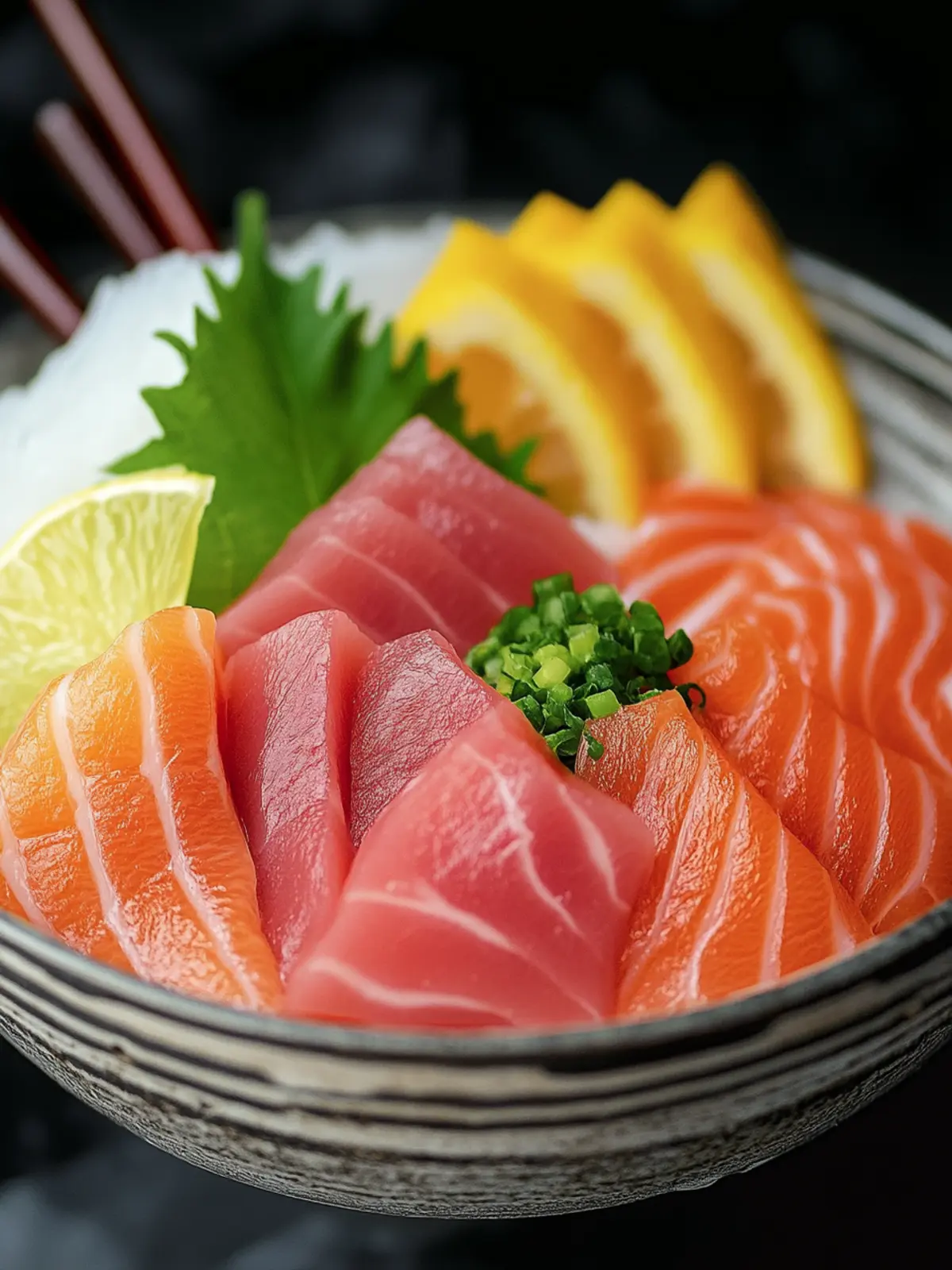
Why is Japanese Sashimi so irresistible?
Freshness is key: The star of sashimi is high-quality, sushi-grade fish that delivers a rich taste and unparalleled experience. Artistic presentation makes every plate a work of art that wows guests. Quick preparation means you can whip this up in minutes, making it a delightful option for busy evenings. Health-conscious eaters will love sashimi’s low-calorie, protein-packed profile, making it a guilt-free indulgence. For more ideas on how to enjoy this dish, check out our guide on Japanese cuisine.
Japanese Sashimi Ingredients
Dive into the world of sushi-grade fish!
For the Fish
- Fresh Sushi-Grade Fish (e.g., tuna, salmon, yellowtail) – The essential ingredient that guarantees an authentic sashimi experience; always ensure it’s high-quality for raw consumption.
For the Garnishes
- Daikon Radish – Adds a crunchy texture and bright contrast; can be swapped with other radishes if needed.
- Cucumber – Thinly sliced for freshness; pickling cucumbers offer an extra crispness.
- Shiso Leaves – An optional touch that provides a unique aromatic flavor; substitute with mint if unavailable.
For Dipping
- Soy Sauce – Essential for enhancing fish flavor; opt for low-sodium varieties for a healthier option.
- Wasabi – Adds a spicy kick; use horseradish if traditional wasabi is not on hand.
- Pickled Ginger (Gari) – Served alongside to cleanse the palate; you can easily find this homemade or store-bought.
Every ingredient plays a crucial role in elevating your Japanese sashimi experience!
How to Make Japanese Sashimi
-
Chill Fish: Begin by placing your sushi-grade fish in the refrigerator until you’re ready to slice it. This ensures the fish is properly chilled and enjoyable.
-
Slice Fish: With a very sharp knife, cut the fish against the grain into 1/4 inch thick slices. Aim for long, smooth strokes to create beautiful, uniform pieces that are pleasing to the eye.
-
Prepare Garnish: Julienne the daikon radish and thinly slice the cucumber. Arrange these garnishes on each serving plate for a colorful presentation that adds crunch.
-
Assemble Plates: Lay out the fish slices beside the garnishes on the plates, ensuring they don’t overlap. The distinct separation enhances the visual appeal and makes the dish Instagram-worthy.
-
Set Dipping Bowls: Pour soy sauce into small bowls for each guest. Add a dollop of wasabi next to the soy sauce to kick up the flavor profile.
-
Serve and Enjoy: Complete the experience by including pickled ginger on the side. Serve immediately on chilled plates to keep everything fresh and at the ideal temperature.
Optional: Garnish with fresh herbs or edible flowers for an elegant touch.
Exact quantities are listed in the recipe card below.
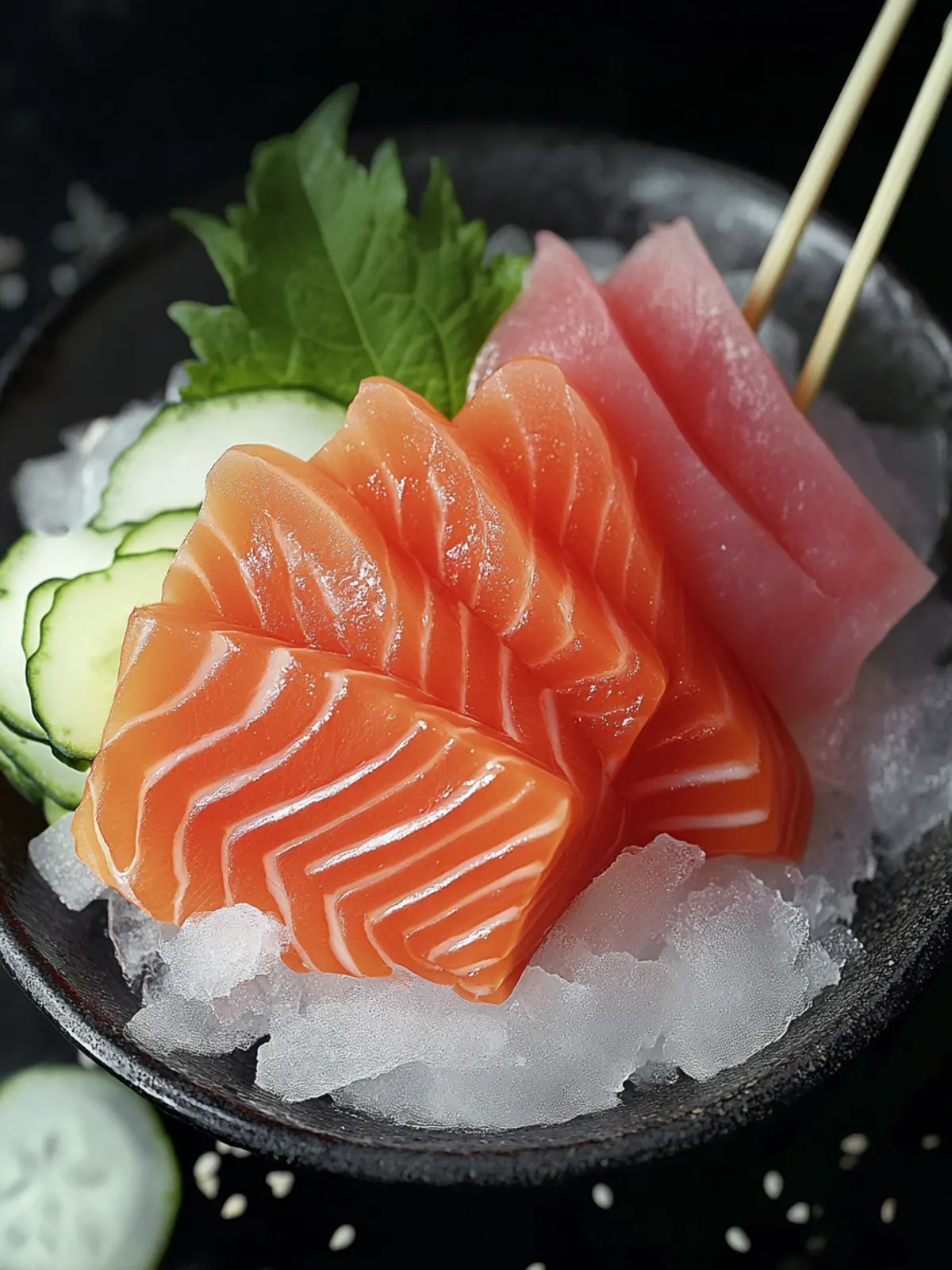
Expert Tips for Japanese Sashimi
- Quality Matters: Always use the freshest, high-quality sushi-grade fish. Inferior fish can ruin the delicate sashimi experience.
- Knife Technique: A very sharp knife is essential for clean cuts. Dull knives can tear the fish, impacting texture and presentation.
- Slice with Care: Cut the fish against the grain for tender slices. This enhances the overall mouthfeel and enjoyment of your sashimi.
- Serve Immediately: Sashimi is best enjoyed right after preparation to maintain its freshness and flavor.
- Chill Your Plates: Pre-chill the serving plates to keep sashimi at an ideal temperature and prolong its delightful taste.
What to Serve with Japanese Sashimi?
Savoring sashimi is a delightful experience, and pairing it with the perfect accompaniments can elevate your meal even further.
- Cottony Sushi Rolls: Light and sushi-grade, these rolls serve as a delightful contrast to the delicate sashimi without overpowering its flavor.
- Sesame Noodles: These cold noodles add a nutty crunch and delightful chewiness, complementing the smooth texture of sashimi perfectly.
- Chilled Edamame: Seasoned with sea salt or chili flakes, these vibrant green pods provide a contrast of textures and a fresh finish to your meal.
- Miso Soup: A warm bowl of this umami-packed soup is soothing alongside sashimi, as it enhances the overall dining experience.
- Japanese Pickles (Tsukemono): The tanginess of pickled vegetables refreshes the palate, making them a fantastic match for the raw fish’s rich flavors.
- Sake or Green Tea: Sip on a delicate, dry sake or fragrant green tea; both beverages enhance the notes of freshness in sashimi while rounding out the meal.
Embrace these pairings and enjoy a well-rounded culinary journey that highlights the beauty of Japanese sashimi!
Japanese Sashimi Variations & Substitutions
Feel free to get creative with sashimi, as there are countless ways to make this elegant dish uniquely your own!
-
Different Fish: Explore with less common sushi-grade fish like mackerel or squid for new flavor experiences. Each fish brings its own unique taste and texture, enriching your sashimi adventure.
-
Garnish Swap: Use edible flowers in place of shiso for a colorful, aromatic twist. The vibrant hues will make your sashimi not only delicious but visually stunning as well.
-
Spice It Up: For a spicy kick, mix wasabi with a dab of sriracha. This unexpected pairing elevates the heat while still maintaining the integrity of your sashimi.
-
Herb Choices: If you can’t find shiso leaves, consider using fresh basil or cilantro for a refreshing herbal lift. These substitutes bring their own distinct flavor profiles that add depth to your dish.
-
Crunch Factor: Swap daikon radish for pickled carrots for a sweet and tangy crunch that complements the fish beautifully. The vibrant color and flavor create a delightful contrast with the sashimi.
-
Soy Sauce Alternatives: Try coconut aminos or tamari for a gluten-free soy sauce alternative. Both options offer a delicious umami kick without compromising on flavor.
-
Citrus Splash: Enhance your sashimi experience by drizzling a hint of yuzu or lemon juice over the fish. This bright touch adds a refreshing zing that enhances the natural flavors of the fish.
-
Creative Plate: Arrange your sashimi on a bed of citrus segments or a light salad to transform the presentation. Not only does this add a pop of color, but it also introduces new textures and flavors.
With these variations, crafting your perfect sashimi experience is effortless and exciting!
How to Store and Freeze Japanese Sashimi
Fridge: Keep any leftover sashimi covered and refrigerated, consuming within 2–3 hours for the best taste and quality.
Freezer: Sashimi can be frozen, but it’s important to use sushi-grade fish. Wrap tightly in plastic wrap or an airtight container, storing for up to 2 months.
Reheating: Avoid reheating sashimi to preserve its texture and flavor; it’s best enjoyed fresh and cold.
Serving: When serving, if previously frozen, thaw in the refrigerator overnight and serve immediately for optimal freshness.
Make Ahead Options
Preparing Japanese Sashimi can be a breeze for busy home cooks! You can slice your sushi-grade fish up to 24 hours in advance, but make sure to keep it tightly wrapped in plastic wrap and refrigerated to maintain its freshness. Additionally, you can julienne the daikon radish and thinly slice the cucumber, storing them in an airtight container in the fridge for up to 3 days. To serve, simply arrange the fish and garnishes on chilled plates and prepare the dipping sauces right before your guests arrive. This way, you can enjoy restaurant-quality sashimi with minimal effort and maximum flavor, making your preparation stress-free and efficient!
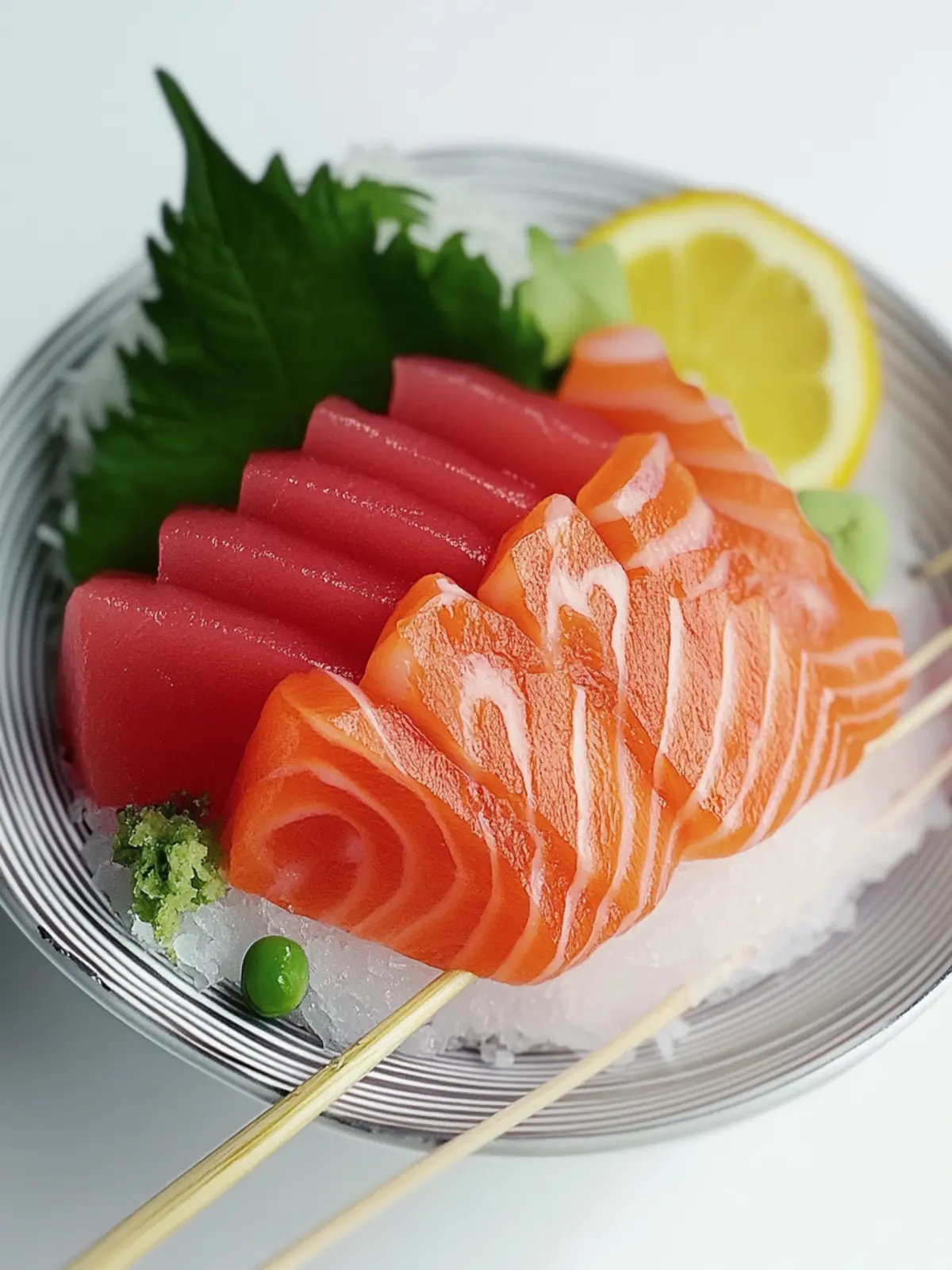
Japanese Sashimi Recipe FAQs
What is sushi-grade fish?
Sushi-grade fish is fish that has been deemed safe for raw consumption, typically due to its freshness and handling. Look for fish that has been flash-frozen at very low temperatures to kill parasites before being labeled as sushi-grade.
How should I select fresh fish for sashimi?
When selecting fish, look for a firm texture, bright color, and no strong fishy smell. If it’s tuna, it should have a deep red color, while salmon should display a vibrant orange hue. Always ask your fishmonger if the fish is sushi-grade!
How long can I store sashimi in the fridge?
Fresh sashimi should be consumed within 2 to 3 hours. If you need to store it, keep it covered and refrigerated, but try to enjoy it as soon as possible for the best flavor and texture.
Can sashimi be frozen, and if so, how?
Absolutely! To freeze sashimi, ensure you are using high-quality sushi-grade fish. Wrap the individual slices tightly in plastic wrap, then place them in an airtight container or freezer bag. You can store it for up to 2 months. When ready to eat, thaw in the refrigerator overnight and enjoy!
What are common problems when preparing sashimi?
One typical issue is uneven slicing. To avoid this, ensure your knife is very sharp and cut against the grain. Additionally, if the fish does not seem firm, it’s likely not fresh enough. Fresh fish should feel resilient and not mushy.
Are there any dietary concerns with sashimi?
Yes, some people may have allergies to fish or shellfish, so always check with guests before serving. Additionally, pregnant women or individuals with compromised immune systems should avoid raw fish due to the risk of foodborne illnesses.
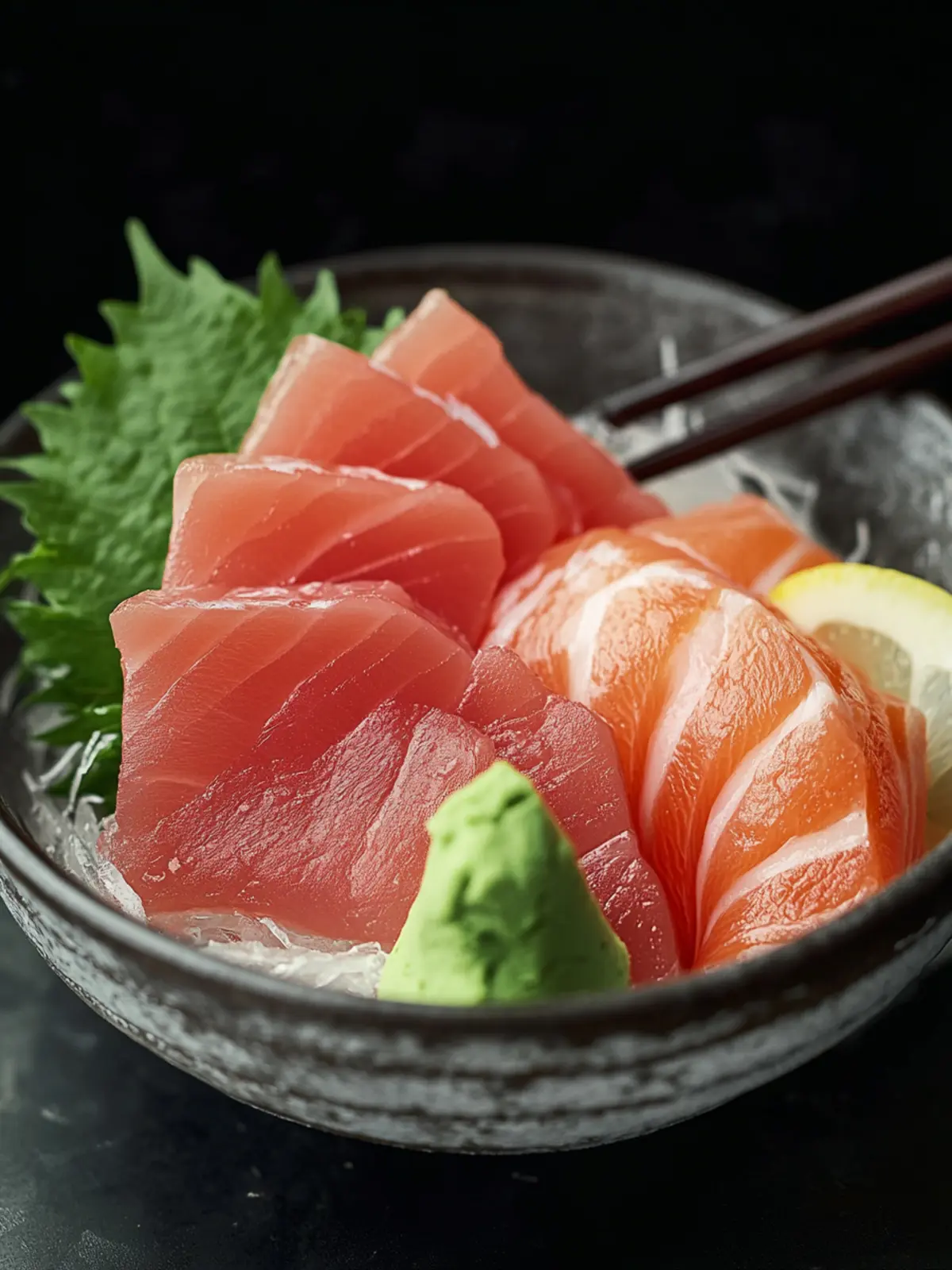
Master Japanese Sashimi at Home: Fresh, Flavorful Delight
Ingredients
Equipment
Method
- Chill Fish: Begin by placing your sushi-grade fish in the refrigerator until you're ready to slice it.
- Slice Fish: With a very sharp knife, cut the fish against the grain into 1/4 inch thick slices.
- Prepare Garnish: Julienne the daikon radish and thinly slice the cucumber. Arrange these garnishes on each serving plate.
- Assemble Plates: Lay out the fish slices beside the garnishes on the plates, ensuring they don’t overlap.
- Set Dipping Bowls: Pour soy sauce into small bowls for each guest and add a dollop of wasabi.
- Serve and Enjoy: Include pickled ginger on the side and serve immediately on chilled plates.