
The first time I bit into a piece of perfectly fried Japanese Tempura, I was immediately transported to a bustling street market in Tokyo, the air thick with the enticing aromas of sizzling seafood and fresh vegetables. There’s something utterly delightful about the way the batter crackles upon your first bite, revealing perfectly cooked shrimp and tender veggies inside. This dish, with its incredibly light and crispy exterior, not only satisfies those cravings for comfort food but also showcases the beauty of simplicity in Japanese cuisine.
Whether you’re looking to impress your dinner guests or simply elevate your weeknight meal, making tempura at home is surprisingly easy and rewarding. It’s a versatile option that can be tailored to include your favorite seafood or seasonal veggies, ensuring everyone at the table finds something they love. If you thought preparing tempura was a task reserved for fancy restaurants, think again—let’s dive into this classic recipe and bring the flavors of Japan right into your kitchen!
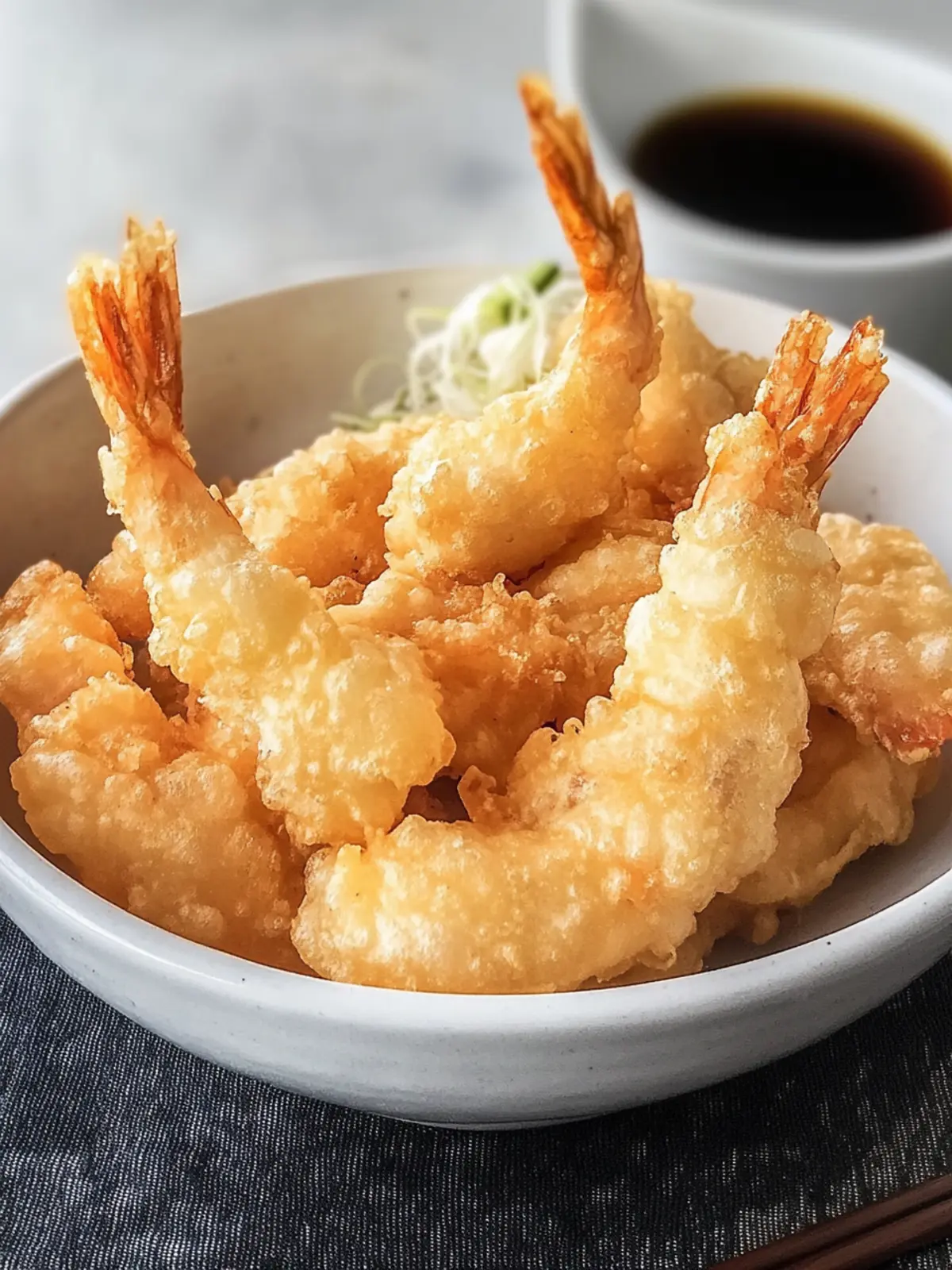
Why is Japanese Tempura a Must-Try?
Crispy perfection: The light, airy batter creates an irresistible crunch with each bite, making this dish highly addictive.
Endless versatility: You can mix and match your favorite seafood and vegetables, allowing for endless culinary creativity!
Quick and easy: With simple ingredients and straightforward instructions, you’ll have impressive tempura ready in no time.
Crowd-pleasing appeal: Whether for family dinners or gatherings, this dish is sure to delight both kids and adults alike.
Health-conscious option: Opt for gluten-free flour and non-seafood vegetables, making this a delightful treat for all dietary needs.
Japanese Tempura Ingredients
For the Batter
• Large Egg – Provides binding and moisture, or substitute with aquafaba for a vegan version.
• Ice-cold Water – Ensures a light and crispy batter; always use the coldest water available for the best texture.
• All-purpose Flour – Creates the batter structure; can be substituted with gluten-free flour for a gluten-free option.
For the Tempura
• Shrimp – Offers a sweet, tender flavor; can be replaced with firm tofu for a vegetarian alternative.
• Sweet Potato – Adds natural sweetness and creaminess; other starchy vegetables like squash can serve as alternatives.
• Zucchini – Contributes a mild flavor and bounce; substitute with eggplant for a varied taste.
• Carrot – Provides crunch and sweetness; consider using bell peppers for additional color variety.
• Shiitake Mushrooms – Add an earthy taste and texture; other types like button mushrooms can be substituted or mixed in.
For Frying
• Vegetable Oil – Essential for frying; choose a high smoke-point oil like canola or sunflower.
For Dipping Sauce
• Tentsuyu (Dipping Sauce) – Complements tempura with umami flavor; soy sauce can be served as a convenient alternative.
How to Make Japanese Tempura
-
Prepare the Batter: Whisk the chilled egg with ice-cold water in a bowl. Keeping the mixture cold is key to achieving that light, crispy texture, so pop it in the fridge while you prep the other ingredients.
-
Sift Flour: Sift the all-purpose flour into a separate bowl to aerate it, preventing lumps from forming. Set it aside and keep it handy for the next steps!
-
Prepare Ingredients: Slice your chosen vegetables, such as sweet potato, zucchini, and carrot, into bite-sized pieces. Clean the shrimp and pat everything dry before lightly dusting with some flour to help the batter stick.
-
Heat Oil: In a deep pan, heat the vegetable oil to 340°F (170°C). Use a thermometer to get the oil just right—it should shimmer but not smoke!
-
Combine Ingredients: Gently fold the cold water mixture into the sifted flour. Avoid over-mixing; a few lumps are perfect for keeping the batter airy and light.
-
Fry Tempura: Dip the prepared veggies and shrimp into the batter, letting any excess drip off before carefully dropping them into the hot oil. Fry for 2-3 minutes until golden brown, ensuring to work in small batches to maintain oil temperature.
-
Drain Excess Oil: Once golden and crispy, use a slotted spoon to remove the tempura from the oil. Place it on a plate lined with paper towels to absorb any excess oil.
-
Serve Immediately: Arrange your beautiful tempura on a platter with a side of tentsuyu dipping sauce and optional garnishes like grated daikon for a delightful presentation.
Optional: Serve with a sprinkle of salt and some lemon wedges for zest.
Exact quantities are listed in the recipe card below.
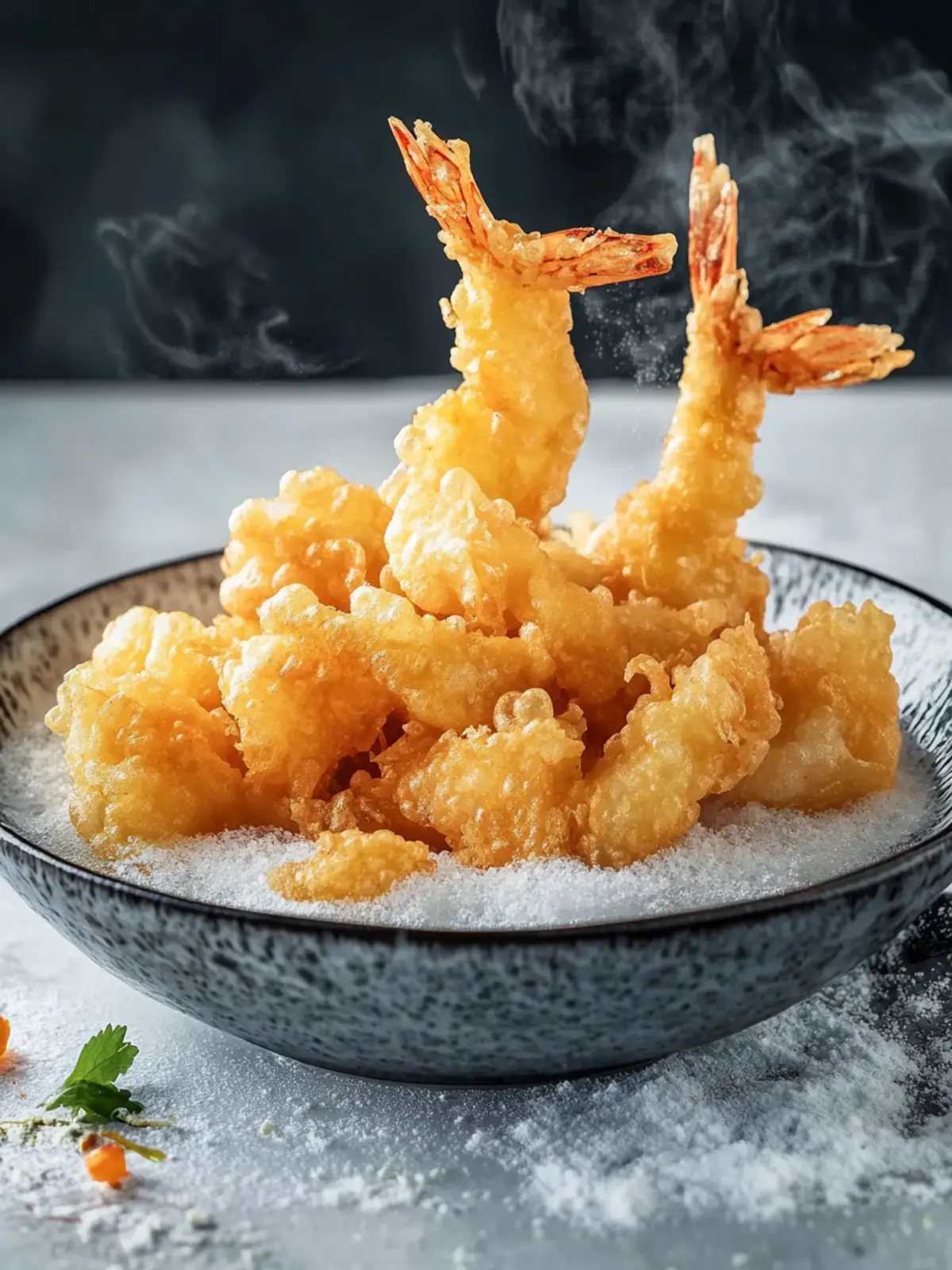
Japanese Tempura Variations
Feel free to get creative with this beloved recipe by customizing flavors and textures to suit your taste buds!
- Dairy-Free: Use plant-based milk instead of egg in the batter for a delicious vegan alternative.
- Seafood Swap: Replace shrimp with pieces of squid or white fish for a different seafood experience.
- Mushroom Medley: Mix shiitake, maitake, and enoki mushrooms for added earthy flavors and textures.
- Vegetable Fusion: Experiment with seasonal veggies like asparagus, green beans, or artichoke hearts for delightful surprises.
- Heat it Up: Add a pinch of cayenne pepper to the batter for a mild kick that livens up each bite.
- Asian Twist: Incorporate a splash of sesame oil into the batter for a nutty flavor that takes the dish to new heights.
- Crispy Coating: For extra crunch, try coating the veggies with panko breadcrumbs after dipping in the batter before frying.
- Herb Infusion: Add finely chopped herbs like cilantro or basil to the batter for a refreshing burst of flavor.
Expert Tips for Japanese Tempura
- Chill Everything: Keep your egg and water as cold as possible to create a super crispy batter when frying.
- Mind the Oil Temperature: Use a thermometer to ensure your oil stays between 340°F and 360°F for perfectly cooked Japanese Tempura; too hot or cold affects texture.
- Don’t Crowded the Pan: Fry in small batches to maintain oil temperature, ensuring each piece gets a chance to crisp up beautifully.
- Use Fresh Ingredients: Fresh vegetables and seafood provide the best flavor and texture. Always prep your ingredients just before frying for optimal results.
- Testing the Batter: Before frying, drop a small amount of batter into the hot oil; it should sizzle right away. If not, adjust the temperature!
- Customize for Everyone: Experiment with seasonal veggies or different seafood to cater to different tastes and dietary needs, making your Japanese Tempura uniquely yours.
How to Store and Freeze Japanese Tempura
Room Temperature: Tempura is best enjoyed freshly fried, but if left out, consume within 2 hours to ensure food safety.
Fridge: If you have leftovers, store them in an airtight container for up to 3 days. To minimize sogginess, place parchment paper between layers.
Freezer: For longer storage, freeze uncooked battered tempura (raw state) in a single layer on a baking sheet, then transfer to a zip-top bag for up to 1 month.
Reheating: Reheat fried tempura in a preheated oven at 350°F (175°C) for about 10 minutes to restore crispness, avoiding the microwave. Enjoy your Japanese Tempura with renewed texture!
Make Ahead Options
These Japanese Tempura delights are perfect for meal prep, making it easier for busy weeknights! You can prepare the tempura batter up to 24 hours in advance by whisking the egg with ice-cold water and refrigerating it to keep it chilled. Additionally, you can slice the vegetables and clean the shrimp ahead of time, then store them in an airtight container in the fridge for up to 3 days to maintain their freshness. When you’re ready to serve, simply dust the prepped ingredients with flour, mix the batter with the chilled flour, and fry them as usual for that crispy, restaurant-quality effect right at home! Just remember to keep everything cold to ensure your tempura remains just as delicious!
What to Serve with Japanese Tempura?
Creating a cozy meal is all about balance, and the delightful crunch of tempura pairs beautifully with various sides and beverages.
- Steamed Rice: Offers a neutral base that absorbs the rich flavors of tempura, enhancing your dining experience.
- Miso Soup: A warm, savory soup enriches the meal with umami flavors while balancing the tempura’s crispiness.
- Green Salad: A fresh, crunchy salad dressed lightly with sesame or ginger vinaigrette balances the richness of the fried elements.
- Soba Noodles: These buckwheat noodles provide a nutty flavor and a chewy texture that complements the crispy tempura.
- Pickled Vegetables: Offering a delightful tang, pickled veggies provide a refreshing contrast to the deep-fried tempura.
- Grated Daikon Radish: Traditionally served alongside tempura, it adds a crunchy, mildly spicy kick with a touch of freshness.
- Chilled Green Tea: This soothing drink cleanses the palate, enhancing the dish’s flavors and soothing any spice.
- Japanese Beer: A light beer or sake pairs perfectly with tempura, enhancing the overall experience with refreshing carbonation.
- Mochi Ice Cream: For a sweet ending, this cool dessert adds a fun textured twist that perfectly rounds off your meal.
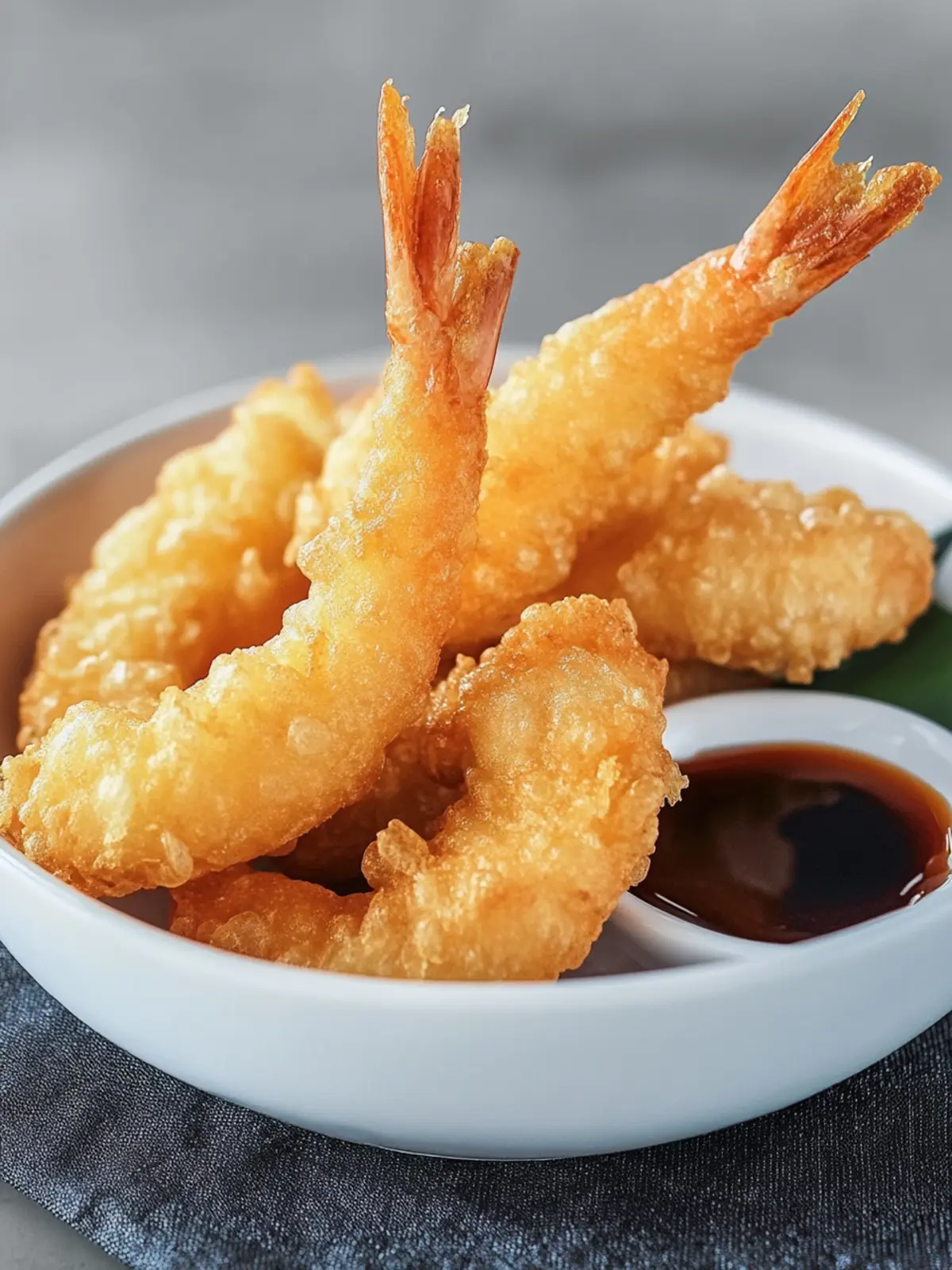
Japanese Tempura Recipe FAQs
How do I choose the best shrimp for tempura?
Absolutely! When selecting shrimp for tempura, look for large, fresh shrimp with a shiny exterior and a firm texture. They should be slightly translucent without any dark spots. If you’re using frozen shrimp, ensure they’re thawed and patted dry before battering to achieve the best results.
How should I store leftover tempura?
If you have leftovers, store them in an airtight container in the refrigerator for up to 3 days. To keep the tempura from becoming soggy, I recommend placing parchment paper between layers before sealing the container. Remember, tempura is best enjoyed fresh, so only store what you won’t eat immediately!
Can I freeze tempura?
Certainly! To freeze uncooked tempura, prepare the battered vegetables and shrimp, then lay them out in a single layer on a baking sheet. Freeze for about 1 hour, then transfer them to a zip-top bag and store for up to 1 month. This way, you can have fresh tempura ready to fry anytime!
Why is my tempura batter not crispy?
Very often, temperature is key! If your batter isn’t crispy, check the temperature of your oil—make sure it’s between 340°F and 360°F (170°C to 180°C). If the temperature is too low, the batter absorbs too much oil and becomes soggy. Always keep everything cold, including the water and flour, and cook in small batches to maintain the oil temperature for that perfect crunch.
Is tempura suitable for people with gluten allergies?
Absolutely! You can make gluten-free tempura by substituting all-purpose flour with a high-quality gluten-free flour blend. This will give you a similar light and crispy batter without any gluten. Just remember to double-check any other ingredients, like the dipping sauce, to ensure they are gluten-free as well.
Can I use different vegetables for my tempura?
Very! One of the beautiful things about tempura is its versatility. Feel free to use a variety of veggies like bell peppers, eggplant, or seasonal favorites like asparagus and green beans. Just remember to slice them into bite-sized pieces for even frying, and make sure they’re dry before battering!
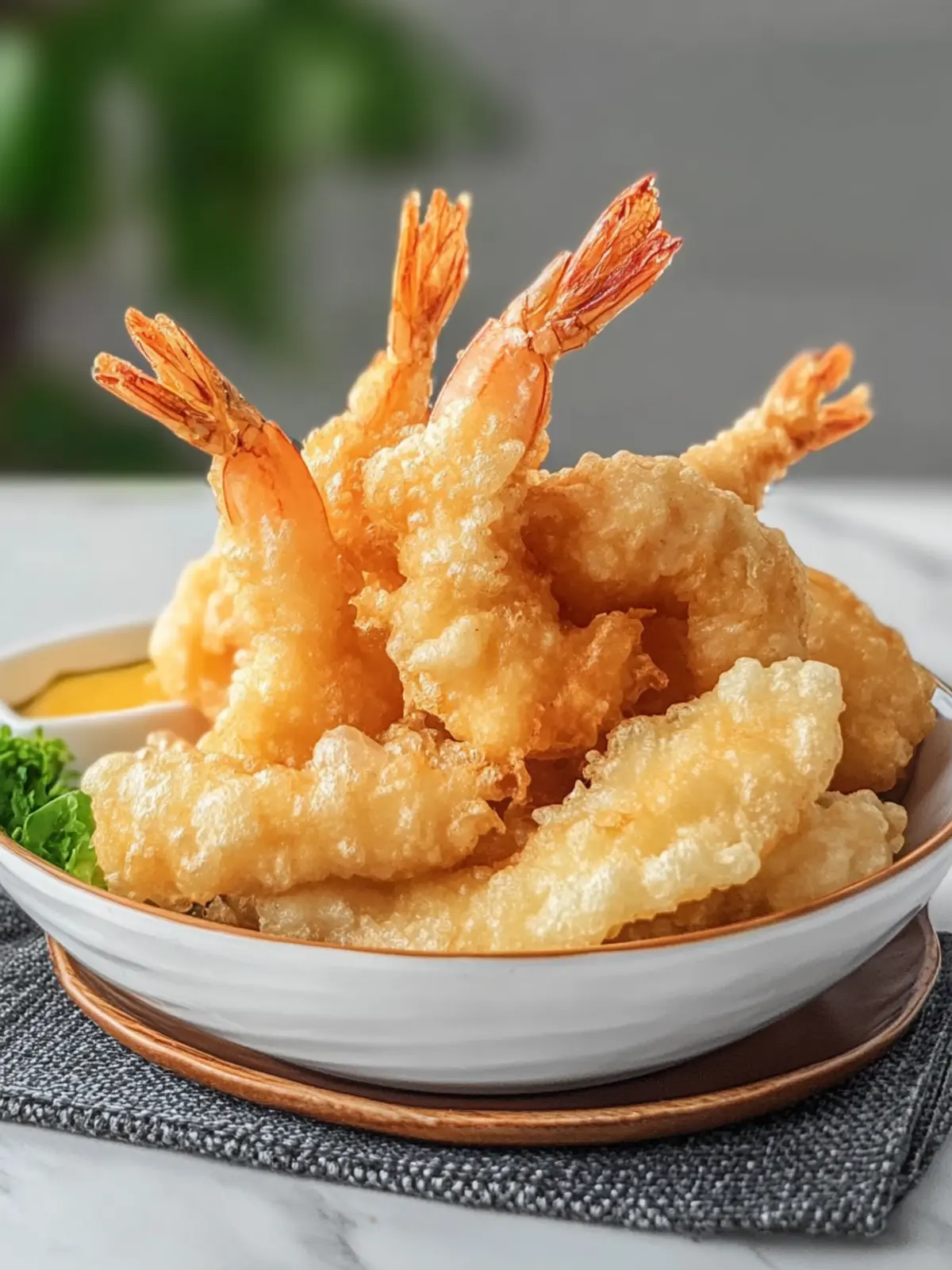
Crispy Japanese Tempura: Your New Favorite At-Home Treat
Ingredients
Equipment
Method
- Whisk the chilled egg with ice-cold water in a bowl and refrigerate while you prep other ingredients.
- Sift all-purpose flour into a separate bowl to aerate it, preventing lumps. Set aside.
- Slice vegetables into bite-sized pieces. Clean shrimp and pat everything dry, dust lightly with flour.
- Heat vegetable oil in a deep pan to 340°F (170°C) using a thermometer.
- Gently fold cold water mixture into sifted flour, leaving a few lumps for texture.
- Dip prepared veggies and shrimp into batter. Fry in small batches for 2-3 minutes until golden brown.
- Remove tempura with a slotted spoon and drain excess oil on paper towels.
- Serve immediately with tentsuyu dipping sauce and optional garnishes.