
Gyoza have a way of transforming an ordinary meal into something special. The first time I pan-fried these delightful Japanese dumplings, the enticing aroma of sizzling garlic and ginger filled my kitchen, instantly heightening my anticipation. With crispy bottoms and savory fillings of ground pork and vegetables, each bite is a harmony of textures and tastes that dances on the palate.
Perfect for those cozy evenings at home or as a stunning appetizer for your next gathering, these gyoza are not just quick to make but also customizable. Whether you prefer them stuffed with flavorful chicken, succulent shrimp, or a vibrant vegetarian mix, there’s a variation to please every palate. Join me as we delve into the art of making these scrumptious dumplings from scratch, and let’s elevate your cooking game together!
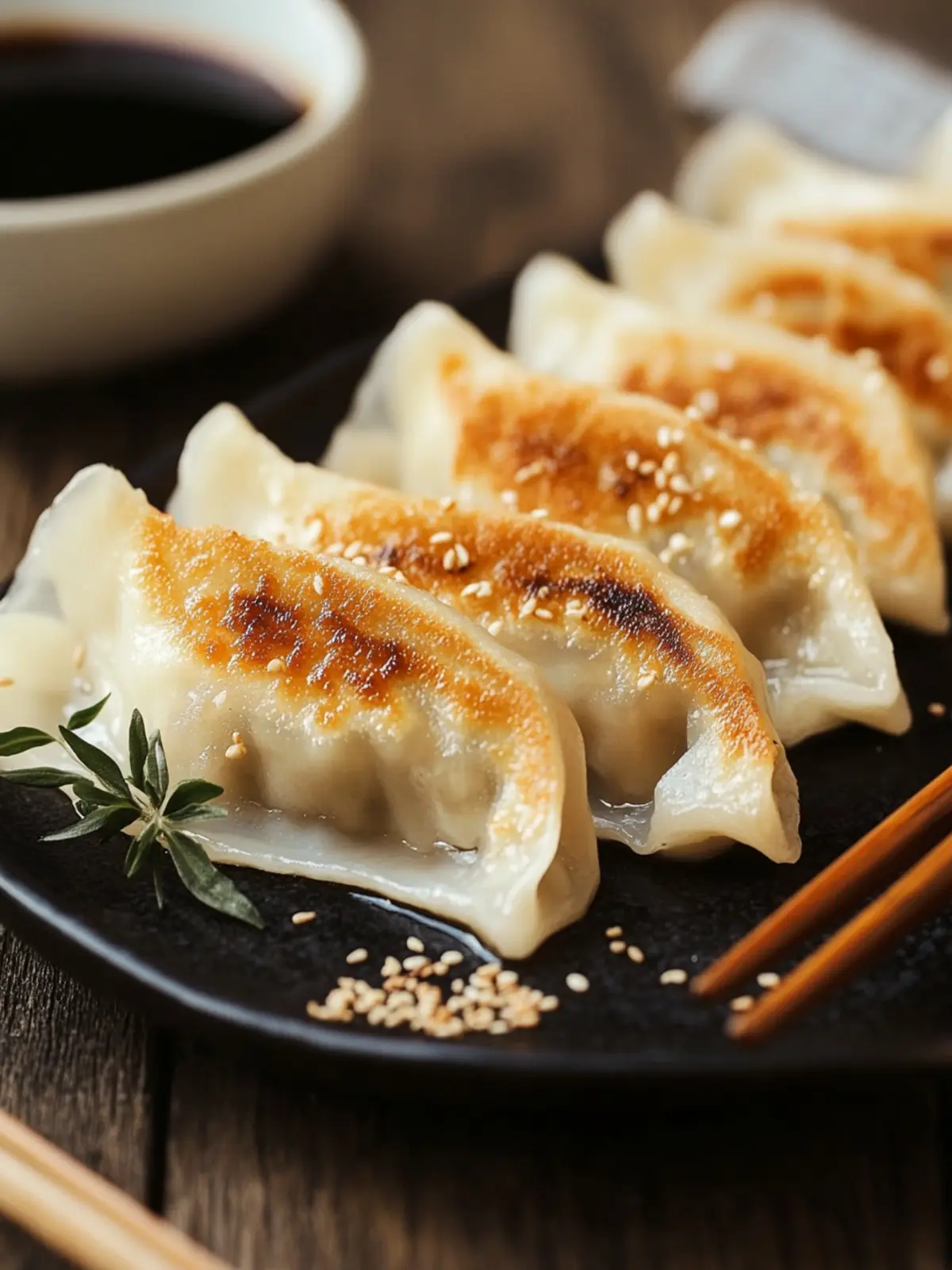
Why are Japanese Gyoza so irresistible?
Crispy Texture: Each gyoza boasts a perfectly golden crust that contrasts delightfully with the juicy filling.
Flavor-Packed: Ground pork mixed with ginger and garlic creates a deliciously savory experience that keeps you coming back for more.
Versatile Options: Customize your gyoza with a variety of fillings—from chicken to shrimp to plant-based options—ensuring something for everyone!
Quick and Easy: This recipe is designed for home cooks of all skill levels, making it straightforward to whip up a batch in no time.
Impressive Presentation: Serve these beloved dumplings at your next gathering, and delight your guests with a dish that looks as good as it tastes!
Japanese Gyoza Ingredients
For the Filling
• Ground Pork (or Chicken) – This rich protein forms the basis of your gyoza; swap in ground chicken, shrimp, or tofu for a vegetarian twist.
• Napa Cabbage – Adds moisture and a hint of sweetness; feel free to substitute with other cabbages or finely chopped greens.
• Green Onions – Freshness and flavor boost; chives or shallots can work in a pinch.
• Garlic (minced) – Infuses the filling with aromatic depth; using fresh garlic will enhance the overall taste.
• Ginger (grated) – Adds warmth and a zing; minced ginger paste is a great alternative if you don’t have fresh.
• Soy Sauce – Essential for that umami flavor; opt for low-sodium soy sauce if you’re watching salt intake.
• Sesame Oil – Exudes nutty fragrance and flavor; for lighter gyoza, vegetable oil can substitute.
• Sugar – Balances savory notes; honey can also replace it, or simply leave it out if preferred.
• Salt & Black Pepper – Enhance the overall taste; adjust according to your preference.
For Wrapping and Cooking
• Gyoza Wrappers – These are crucial for encasing the flavorful filling; store-bought is easy, but homemade is delightful!
• Vegetable Oil – Needed for frying; any neutral oil like canola or sunflower works well.
• Water – Creates steam while cooking, ensuring the gyoza are tender.
For Dipping Sauce
• Dipping Sauce (Soy Sauce, Rice Vinegar, Chili Oil) – Offers a delightful tang with heat; adjust the ratios based on your spice preference.
Dive into the world of Japanese gyoza and unlock a symphony of flavors and textures with these simple yet essential ingredients!
How to Make Japanese Gyoza
-
Prepare Filling: In a large mixing bowl, combine the ground pork, chopped napa cabbage, sliced green onions, minced garlic, grated ginger, soy sauce, sesame oil, sugar, salt, and pepper. Mix until everything is well incorporated and set aside.
-
Wrap Gyoza: Take a gyoza wrapper and place about a teaspoon of the filling in the center. Moisten the edges with a bit of water, fold the wrapper in half, and pinch the edges together to seal. You can make pleats for a traditional look!
-
Pan-Fry: Heat a non-stick skillet over medium-high heat and add vegetable oil. Once hot, arrange the gyoza in the skillet, flat-side down. Cook for about 2-3 minutes until the bottoms turn golden brown and crispy.
-
Steam: Carefully add water to the skillet (about ¼ cup), then immediately cover with a lid. Allow the gyoza to steam for 4-5 minutes, or until the wrappers become translucent and tender.
-
Crisp Up: Remove the lid and let the gyoza cook for an additional 1-2 minutes to re-crisp the bottoms. This gives you that enticing crunchy texture we’re all after!
-
Serve Dipping Sauce: In a small bowl, mix soy sauce and rice vinegar. If you like it spicy, add chili oil to taste. Place the finished gyoza on a platter, garnish as desired, and serve with the dipping sauce hot.
Optional: Garnish with sesame seeds or sliced green onions for added flair.
Exact quantities are listed in the recipe card below.
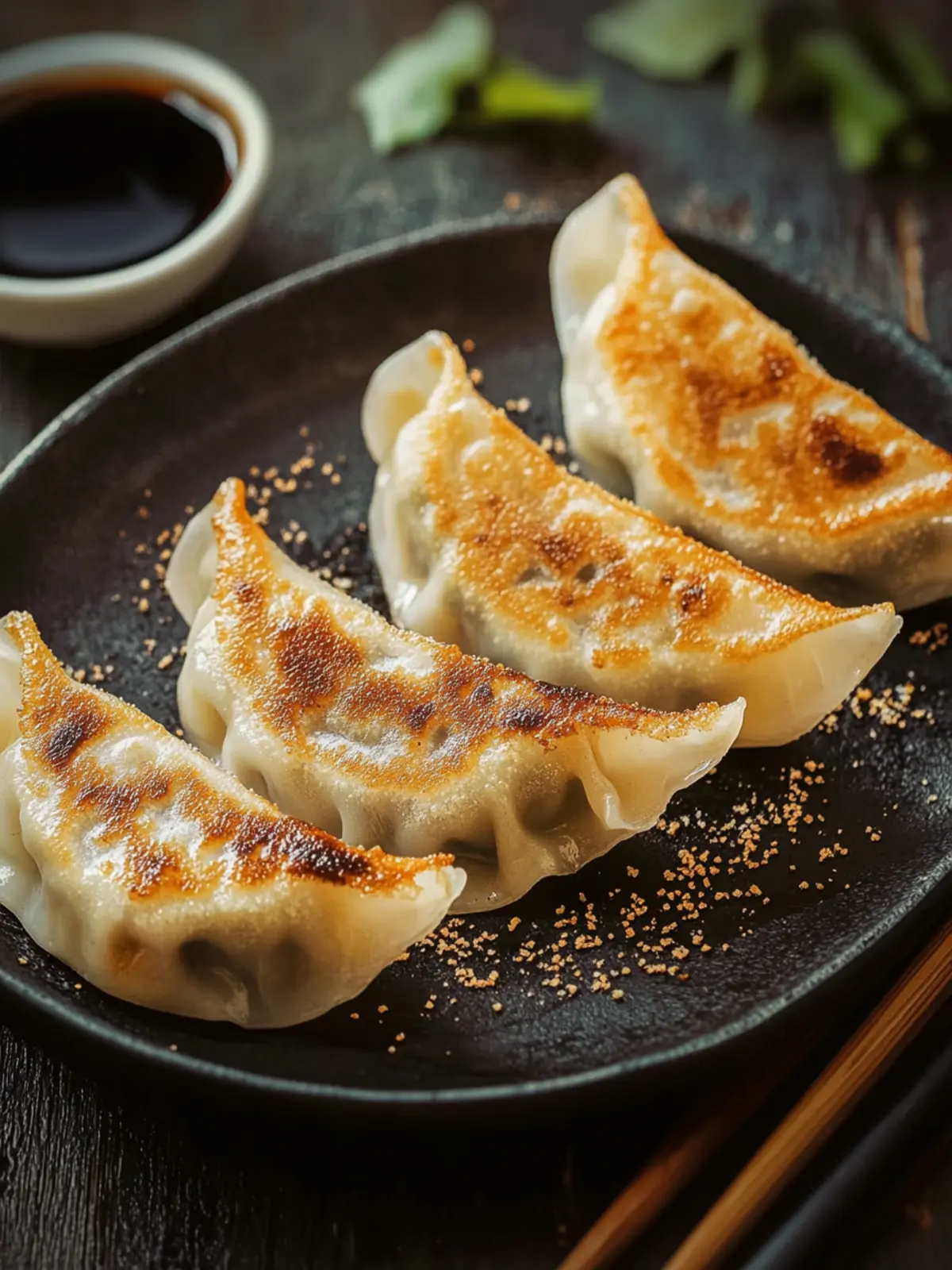
What to Serve with Gyoza?
Create a sumptuous dining experience that beautifully complements the exquisite flavors of these delightful dumplings.
- Steamed Rice: Perfectly fluffy rice soaks up the savory juices from the gyoza, creating a satisfying bite with each mouthful.
- Fresh Cucumber Salad: A refreshing crunch with a simple vinegar dressing adds brightness, cutting the richness of the fried gyoza.
- Miso Soup: A warm, savory broth enhances your meal’s comforting vibe, providing a delightful contrast to the crispy texture.
- Pickled Vegetables: The tang of pickled radishes or cucumbers adds a delicious contrast, enhancing the gyoza’s savory flavors and adding a refreshing zing.
- Chili Oil Dipping Sauce: For an extra kick, serve with homemade chili oil that elevates the taste and adds spice for adventurous eaters!
- Japanese Beer or Sake: Both pair wonderfully with gyoza, as the light, crisp notes of beer balance the savory bites, while sake gives an elegant touch.
- Chocolate Mochi Dessert: End your meal on a sweet note with chewy mochi filled with rich chocolate, creating the perfect sweet contrast to your savory dish.
- Noodle Salad: A cold noodle salad with sesame dressing provides a light, contrasting texture, enriching the overall dining experience.
- Green Tea: A soothing cup of green tea perfectly cleanses the palate between bites, enhancing the overall flavor profile of your meal.
- Fruit Medley: A light fruit salad featuring seasonal fruits refreshes the palate, harmonizing with the richness of the gyoza and offering a vibrant finish.
Make Ahead Options
These Japanese Gyoza are perfect for busy weeknights and meal prep! You can prepare the filling (ground pork, napa cabbage, and seasonings) and store it in an airtight container in the refrigerator for up to 3 days. For optimal freshness, assemble the gyoza on a baking sheet and freeze them for up to a month before cooking. Simply place them in a single layer on the sheet to prevent sticking, then transfer to a bag once frozen. When you’re ready to cook, pan-fry and steam the gyoza straight from frozen; just add a couple of extra minutes to the steaming time. This approach ensures they are just as delicious and saves you time on busy evenings!
Expert Tips for Japanese Gyoza
- Don’t Overmix: Keep the filling tender by mixing just until ingredients are combined. Overmixing can lead to a tough texture.
- Moisten Right: When sealing the gyoza, ensure to moisten only the edges; too much water can make them soggy and hard to seal.
- Pan Space: Avoid overcrowding the skillet; cook in batches to ensure even browning and prevent steaming instead of frying.
- Freezing Tips: Prepare gyoza ahead of time and freeze before cooking. Arrange them in a single layer on a baking sheet to prevent sticking.
- Adapt Your Sauces: Feel free to get creative with dipping sauces! Ponzu, teriyaki, or even a simple chili garlic sauce can elevate your Japanese gyoza experience.
Storage Tips for Japanese Gyoza
Fridge: Store cooked gyoza in an airtight container in the refrigerator for up to 2 days. Reheat in a skillet with a splash of water until warmed through.
Freezer: Uncooked gyoza can be placed in a single layer on a baking sheet to freeze for up to 1 month. Once frozen, transfer them to a freezer bag, ensuring they’re not stuck together.
Reheating: To reheat frozen gyoza, pan-fry them from frozen without thawing. Heat vegetable oil in a skillet, add gyoza, and follow the usual cooking method for best results.
Room Temperature: If you have leftover gyoza after a meal, it’s best to refrigerate them rather than leaving them at room temperature to ensure freshness and safety.
Japanese Gyoza Variations
Ready to give your Japanese Gyoza a personal twist? Let your culinary creativity shine with these delicious variations!
- Chicken Substitute: Swap ground pork for ground chicken for a lighter, yet equally flavorful, dumpling.
- Shrimp Delight: Use finely chopped shrimp in the filling for a seafood-inspired twist that’s bursting with freshness.
- Vegetarian Medley: Replace meat with a mixture of mushrooms and tofu, seasoned with soy sauce and ginger for an umami-packed option.
- Spicy Kick: Add diced jalapeños or chili flakes to the filling for a zesty kick that will tantalize your taste buds.
- Herb Infusion: Incorporate chopped fresh herbs like cilantro or basil for a refreshing flavor boost that complements the savory filling.
- Sautéed Greens: Mix in quickly sautéed spinach or bok choy with the filling for an extra layer of nutrition and vibrant color.
- Experiment with Dipping Sauces: Try different dipping options such as ponzu sauce or a spicy mayo to elevate your gyoza experience.
- Add Cheese: For a unique twist, include a bit of cream cheese or mozzarella in the filling for a creamy texture that melts perfectly.
Embrace the possibilities and enjoy making these gyoza truly your own!
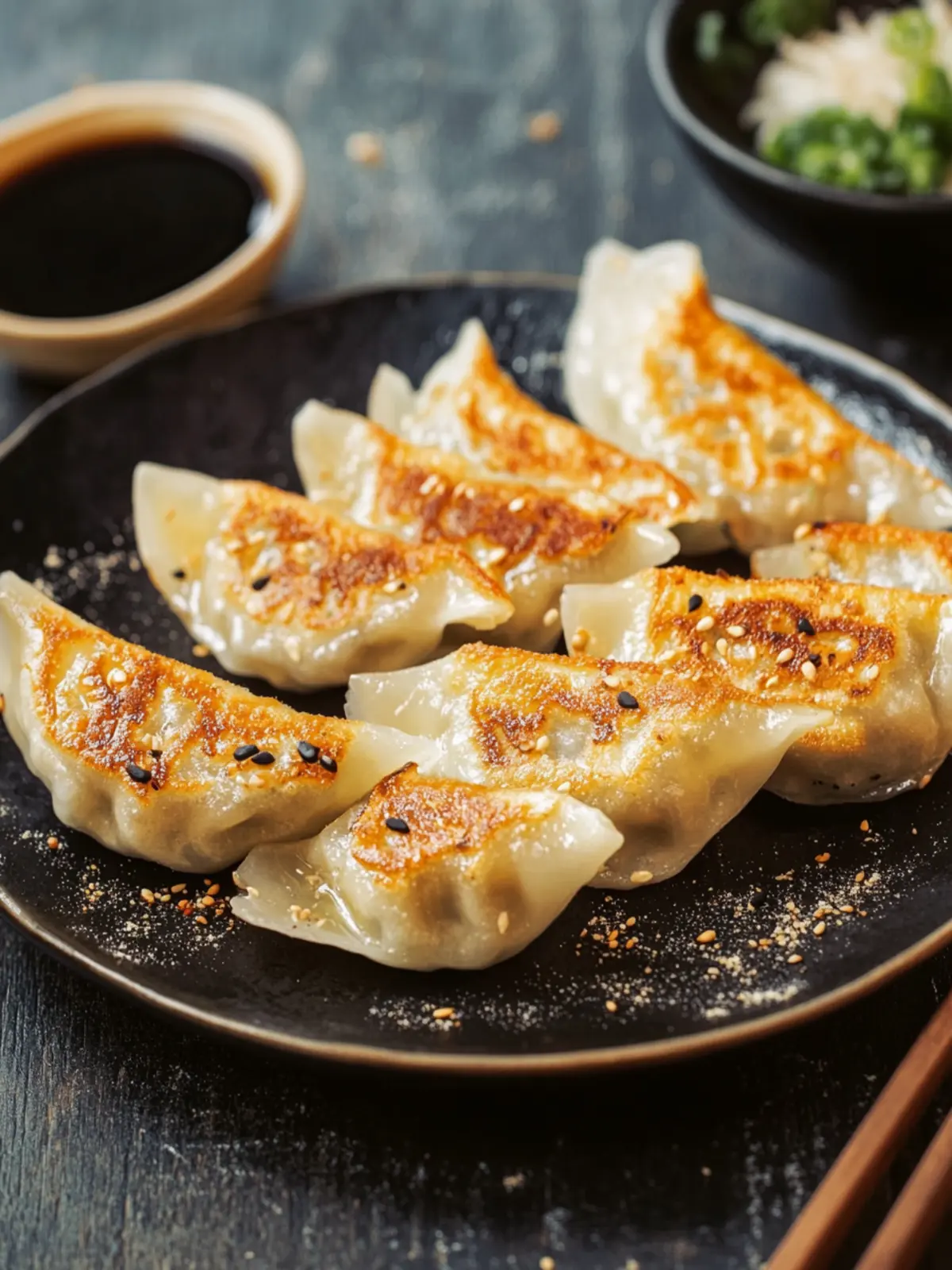
Japanese Gyoza Recipe FAQs
How do I choose ripe ingredients for my gyoza?
Absolutely! For the best gyoza, select fresh napa cabbage without dark spots or wilting. The ground pork should look bright pink, and the aroma should be fresh. If you’re using green onions, choose those that are firm with vibrant green tops, while garlic should be firm and without any sprouts.
How should I store my gyoza after cooking?
Once cooked, store gyoza in an airtight container in the fridge for up to 2 days. To reheat, simply warm them in a skillet with a splash of water to revive the crispiness, or you can microwave them if you’re short on time—just be aware they won’t be as crispy.
Can I freeze gyoza before cooking?
Very! To freeze uncooked gyoza, lay them out in a single layer on a baking sheet, ensuring they don’t touch. Freeze until solid, then transfer them to a freezer bag for up to a month. When you’re ready to enjoy, there’s no need to thaw—just cook them directly from the freezer!
What if my gyoza sticks to the pan?
No worries! This can happen sometimes. First, make sure your skillet is well-heated before adding oil. Avoid overcrowding; if they’re too close, they tend to steam. If they stick, gently scrape the bottom with a spatula to release them without tearing the wrappers.
Are there any allergies I should be aware of?
Absolutely! Those with soy allergies should opt for coconut aminos or a homemade broth instead of soy sauce. If you have a shellfish allergy but want to try shrimp, you can easily substitute ground turkey or a mix of veggies. Always check for label specifics, especially on pre-packaged gyoza wrappers, to avoid cross-contamination.
What’s the best way to prepare the dipping sauce?
For a delightful dipping sauce, mix equal parts of soy sauce and rice vinegar, then adjust according to your taste. If you love heat, add a few drops of chili oil. I often mix in a pinch of sesame seeds or chopped green onions for extra flavor and a pop of color!
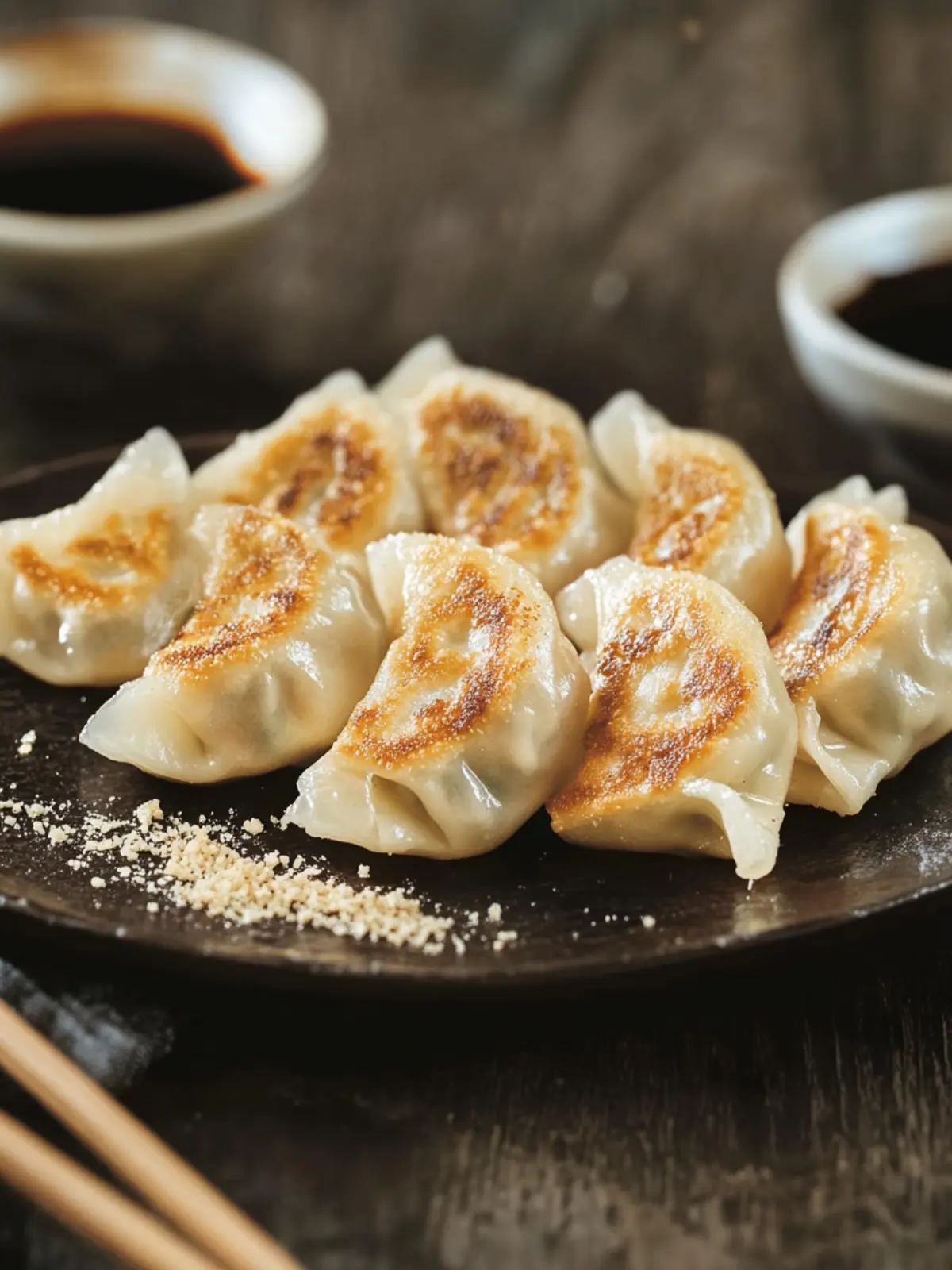
Savory Japanese Gyoza Dumplings: Easy Homemade Delight
Ingredients
Equipment
Method
- Prepare Filling: In a large mixing bowl, combine the ground pork, chopped napa cabbage, sliced green onions, minced garlic, grated ginger, soy sauce, sesame oil, sugar, salt, and pepper. Mix until everything is well incorporated and set aside.
- Wrap Gyoza: Take a gyoza wrapper and place about a teaspoon of the filling in the center. Moisten the edges with a bit of water, fold the wrapper in half, and pinch the edges together to seal.
- Pan-Fry: Heat a non-stick skillet over medium-high heat and add vegetable oil. Once hot, arrange the gyoza in the skillet, flat-side down. Cook for about 2-3 minutes until the bottoms turn golden brown and crispy.
- Steam: Carefully add water to the skillet (about ¼ cup), then immediately cover with a lid. Allow the gyoza to steam for 4-5 minutes, or until the wrappers become translucent and tender.
- Crisp Up: Remove the lid and let the gyoza cook for an additional 1-2 minutes to re-crisp the bottoms.
- Serve Dipping Sauce: In a small bowl, mix soy sauce and rice vinegar. Add chili oil to taste if desired. Place the finished gyoza on a platter and garnish as desired.