
As the leaves begin to turn and the air takes on a crisp chill, I find myself drawn to the warmth of my kitchen, especially when I unveil a cherished family recipe: German Maultaschen. Imagine the comforting aroma of savory minced meat mingling with fresh spinach and fragrant spices, all enveloped in delicate pasta pockets. The first time I made these delightful dumplings, I was amazed at how simple ingredients transformed into such a hearty meal that warms both the heart and soul.
Whether you prefer enjoying them lightly simmered in a hearty broth on a cold evening or pan-fried to perfection for a satisfying crunch, Maultaschen is a versatile treasure that brings laughter and light to any dinner table. Perfect for cozy gatherings with family or as a conversation starter on your next dinner party, these stuffed pasta pockets offer a taste of tradition in every bite. Let’s dive into making this comforting dish that truly embodies the spirit of German cuisine!
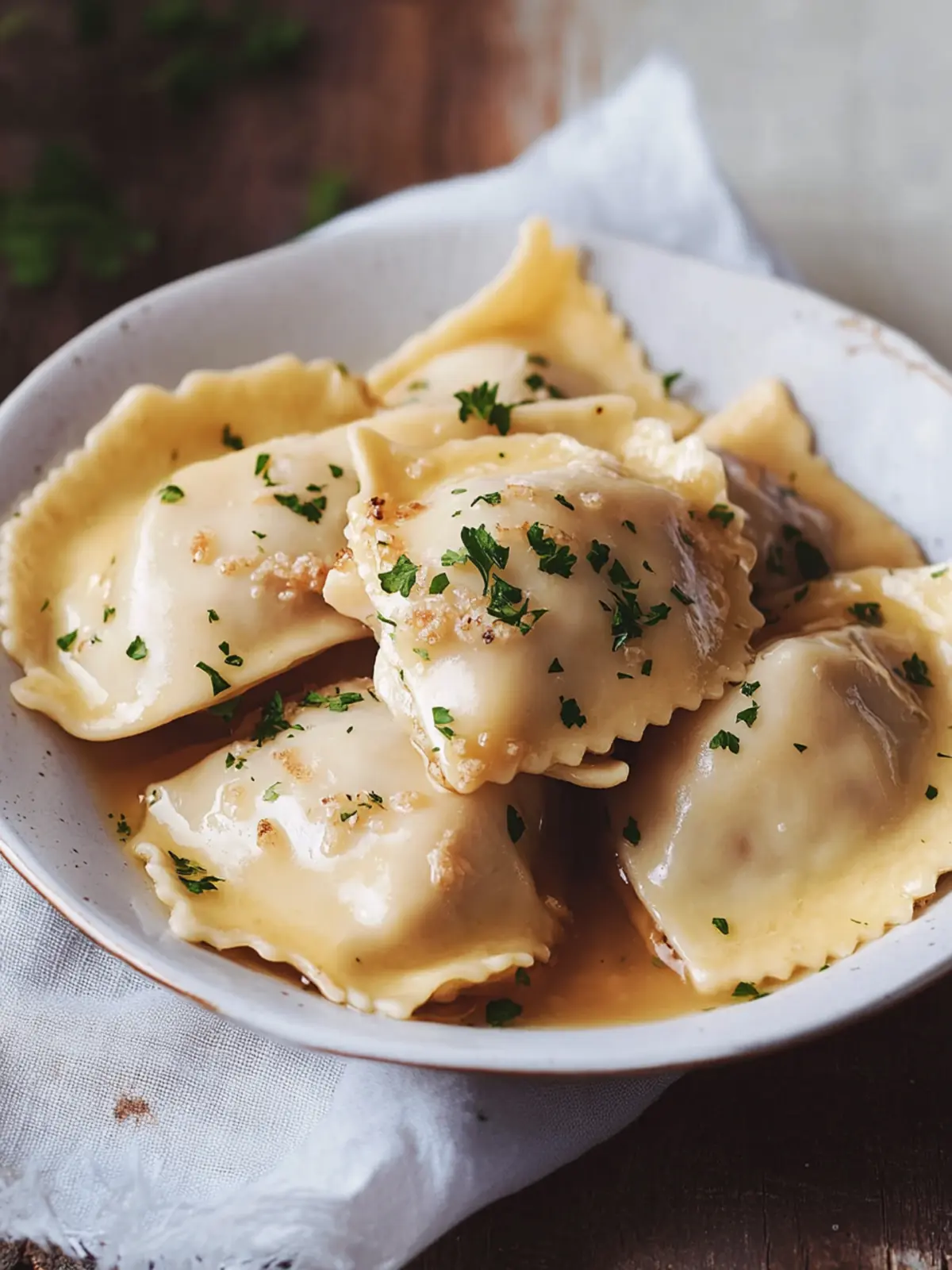
Why are German Maultaschen a must-try?
Hearty Comfort: These delightful pasta pockets bring a sense of warmth and nostalgia to every meal.
Simple Mastery: With just a few basic ingredients, you’ll create a sophisticated dish that impresses without fuss.
Versatile Serving Options: Whether simmered in broth or pan-fried for a crispy finish, Maultaschen caters to every preference and occasion.
Family Favorite: Perfect for family gatherings, these dumplings spark joy and bring everyone together at the table.
Freezer Friendly: Make a batch ahead of time and freeze for quick weeknight dinners. Discover how to make homemade dishes like this one in our easy freezer meals guide.
Enjoy crafting this recipe that transforms everyday moments into delightful culinary experiences!
German Maultaschen Ingredients
• Prepare to create delicious German Maultaschen with these essential ingredients.
For the Dough
- All-purpose flour – The base structure of the dough, can substitute with whole wheat flour for a nuttier flavor.
- Large eggs – Binds the dough and adds richness; no substitute recommended.
- Water – Helps in forming the dough texture; use slightly more or less as needed.
- Salt – Enhances the flavor of the dough; essential for taste.
For the Filling
- Ground pork or beef – Main protein in the filling; substitute with ground turkey or a plant-based alternative for a lighter option.
- Fresh spinach, blanched and finely chopped – Adds freshness and nutrition to the filling; can use frozen spinach, well-drained.
- Day-old bread – Provides moisture and texture to the filling; use breadcrumbs as an alternative.
- Small onion, finely diced – Adds flavor and sweetness; substitute with shallots for a milder taste.
- Clove garlic, minced – Contributes aromatic depth; omit if sensitive to garlic.
- Egg (for filling) – Binds filling ingredients; can replace with a flax egg for a vegan option.
- Mustard – Adds tang; Dijon mustard works best, or omit for a milder flavor.
- Dried marjoram – Brings herbaceous notes; substitute with thyme if needed.
- Nutmeg, freshly grated – Enhances warmth and complexity; use pre-ground nutmeg in a pinch.
- Salt and pepper to taste – Essential for balance throughout the dish.
For Cooking and Serving
- Vegetable or beef broth – Cooking medium for Maultaschen; homemade or store-bought options are available.
- Butter or oil – For optional pan-frying to add flavor and create crispness; use olive oil or vegan butter as a substitute.
- Fresh parsley, chopped (for garnish) – Adds color and freshness; substitute with chives for a different flavor profile.
Dive into this delightful recipe and enjoy the comforting flavors of traditional German Maultaschen!
How to Make German Maultaschen
-
Prepare the dough: In a mixing bowl, combine the all-purpose flour, large eggs, water, and salt to create a rough dough. Knead it for 8-10 minutes until it’s smooth and elastic. Let it rest uncovered for 30 minutes so it can relax.
-
Make the filling: In a large bowl, combine the ground pork or beef, blanched spinach, soaked day-old bread, diced onion, minced garlic, egg, mustard, dried marjoram, grated nutmeg, salt, and pepper. Mix until everything is well-combined and cohesive.
-
Roll out the dough: On a floured surface, roll the dough into a thin sheet, about 2mm thick. Use a sharp knife to cut it into rectangles measuring approximately 10×12 cm — just the right size for your filling.
-
Assemble Maultaschen: Take a tablespoon of filling and place it on each pasta rectangle. Carefully fold the dough over the filling, then seal the edges firmly by crimping with a fork. This will keep all the deliciousness inside!
-
Cook the Maultaschen: Gently add the assembled Maultaschen into a pot of simmering vegetable or beef broth. Cook for about 12-15 minutes, until tender. Avoid a rolling boil to keep them from breaking apart.
-
Optional pan-frying: For an extra crispy treat, pat the cooked Maultaschen dry, then sauté them in butter or oil over medium heat until they’re golden brown on each side.
-
Serve: Present your delicious Maultaschen in bowls filled with warm broth or enjoy them pan-fried with a sprinkle of fresh parsley or chives for garnish.
Optional: Drizzle with a touch of browned butter for an extra layer of flavor.
Exact quantities are listed in the recipe card below.
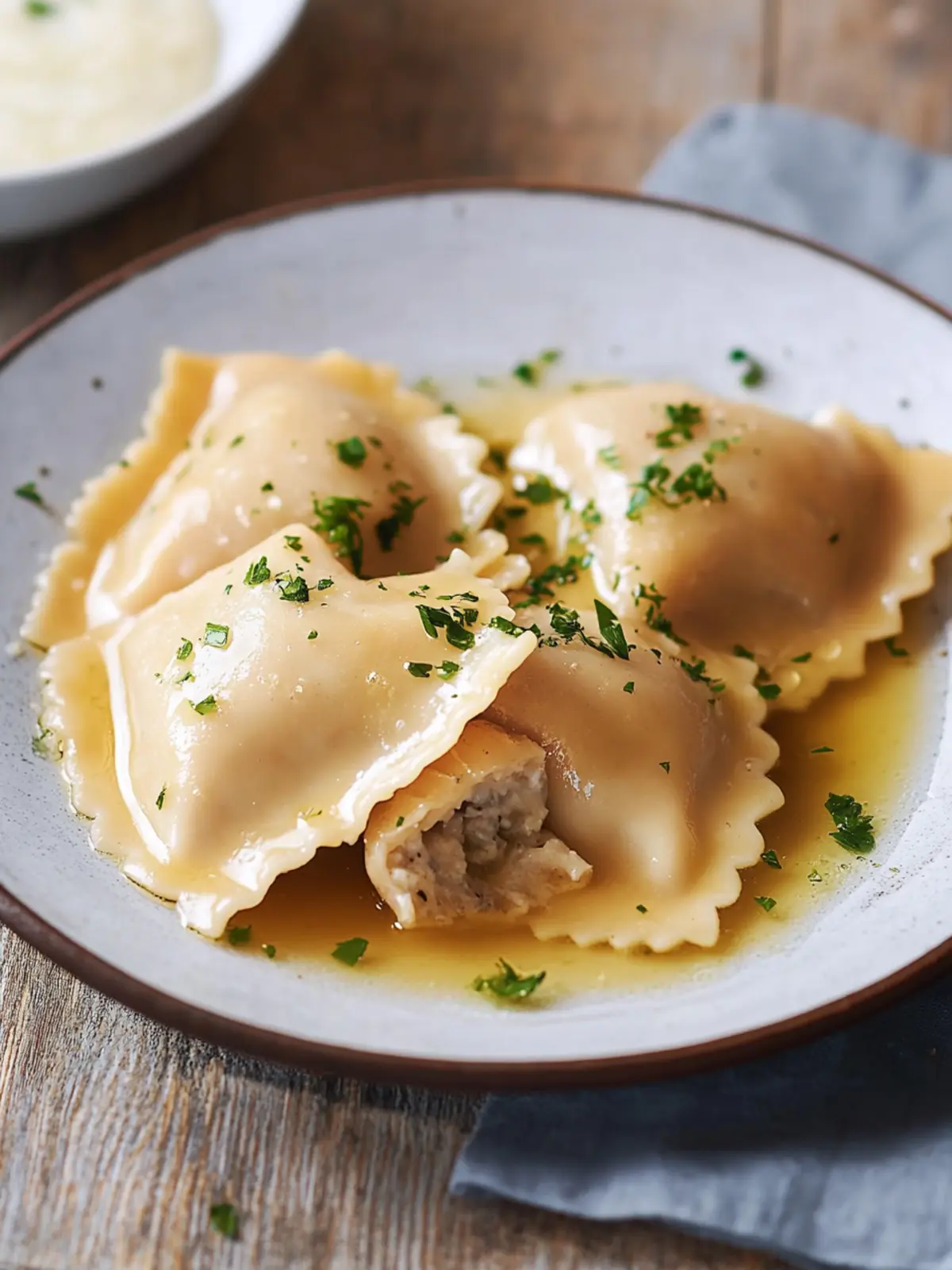
What to Serve with German Maultaschen?
Cozy up your dinner table with these delightful pairings that elevate your homemade Maultaschen experience.
-
Creamy Mashed Potatoes: The smooth, buttery texture of mashed potatoes pairs beautifully with Maultaschen, creating a comforting, rich contrast on your plate.
-
Fresh Green Salad: A light, zesty salad with a tangy vinaigrette provides a refreshing balance, cutting through the hearty richness of the stuffed pasta pockets.
-
Sautéed Cabbage: Caramelized cabbage offers a sweet and savory element, enhancing the meal’s depth while complementing the hearty flavors of the Maultaschen.
-
Browned Butter Drizzle: For an extra layer of flavor, a drizzle of browned butter enhances the nutty notes in the dough and adds a savory richness that makes each bite delightful.
-
Pickled Vegetables: Tangy, pickled veggies introduce a bright contrast, making them an excellent accompaniment that stimulates the palate alongside the savory pasta.
-
Beer or Riesling: A crisp beer or a chilled glass of Riesling beautifully complements the flavors of Maultaschen, enhancing the overall experience and adding a festive touch.
-
Roasted Root Vegetables: The natural sweetness of roasted carrots, potatoes, and parsnips rounds out the meal and creates a wonderful earthy base for the Maultaschen.
-
Creamy Mushroom Sauce: For a decadent option, serve Maultaschen with a rich mushroom sauce, enhancing the umami flavors and creating a luxurious dining experience.
Choose one or mix and match these ideas to craft an extraordinary meal that’s sure to warm hearts and create cherished memories.
German Maultaschen Variations
Feel free to personalize your cooking experience with these delightful twists, each promising to enhance flavor and texture!
- Healthier Option: Substitute ground pork or beef with ground turkey or a plant-based alternative for a lighter, nutritious filling.
- Cheesy Delight: Add a blend of ricotta and Parmesan cheese to the filling for a creamy and rich addition that melts beautifully.
- Herb Infusion: Experiment with different herbs such as dill or parsley in the filling to bring a fresh, vibrant twist to the flavor profile.
- Heat It Up: Incorporate a pinch of red pepper flakes or finely diced jalapeños into the filling for those who enjoy a little heat in their meals.
- Smoky Essence: Mix in some smoked paprika to the filling for a warm, smoky flavor that elevates the traditional taste of Maultaschen.
- Broth Variations: Try using chicken broth or vegetable broth infused with lemongrass for a unique twist while simmering the Maultaschen.
- Nutty Texture: Add finely chopped nuts, like walnuts or hazelnuts, to the filling for an unexpected crunch that complements the pasta’s softness.
- Sweet and Savory: For a unique flavor combination, incorporate a tablespoon of apple sauce or caramelized onion into the filling to balance savory with a hint of sweetness.
Explore these suggestions to create your own signature Maultaschen and experience the joy of customization in every bite!
Expert Tips for German Maultaschen
-
Dough Thickness Matters: Aim for a dough thickness of around 2mm to ensure even cooking. Too thick can result in a chewy texture.
-
Avoid Overcrowding: When simmering the Maultaschen, be sure not to overcrowd the pot. This prevents them from sticking together and ensures they cook evenly.
-
Proper Sealing: Crimp edges firmly with a fork when assembling. This step helps prevent the filling from leaking out during cooking.
-
Flavor Boost: For the best flavor in your filling, use good-quality beef or vegetable broth and freshly grated nutmeg. It makes a noticeable difference!
-
Storage Tips: Store uncooked Maultaschen in the freezer, separated on a tray, then transfer to a zip-top bag. This ensures they won’t stick together when frozen.
-
Customizable Filling: Feel free to experiment with different proteins or herbs in your filling. Adding cheese can create a creamier texture for a delightful twist!
Make Ahead Options
These delicious German Maultaschen are perfect for meal prep enthusiasts! You can prepare the filling and dough up to 24 hours in advance, storing them separately in airtight containers in the fridge to maintain their taste and texture. To assemble the Maultaschen, simply roll out the dough and fill it when you’re ready to cook. Alternatively, you can freeze the assembled Maultaschen for up to 3 months, allowing for quick weeknight dinners; simply boil them straight from the freezer without thawing. To maintain their quality, avoid overcrowding the pot while cooking, and serve with fresh broth or sautéed to achieve that delightful crispy finish. This way, you’ll have hearty comfort food ready with minimal effort!
How to Store and Freeze German Maultaschen
Fridge: Store cooked German Maultaschen in an airtight container for up to 3 days, ensuring they’re cooled completely before sealing.
Freezer: For best results, freeze uncooked Maultaschen in a single layer on a baking sheet, then transfer to a zip-top bag for up to 3 months. Cook straight from frozen without thawing.
Reheating: To reheat, simmer thawed Maultaschen in broth for 5-7 minutes or sauté in a bit of butter until heated through and crispy, enhancing their flavor and texture.
Make-Ahead: Prepare Maultaschen ahead of time and store them in the freezer for quick, homemade comfort food that’s ready when you are.
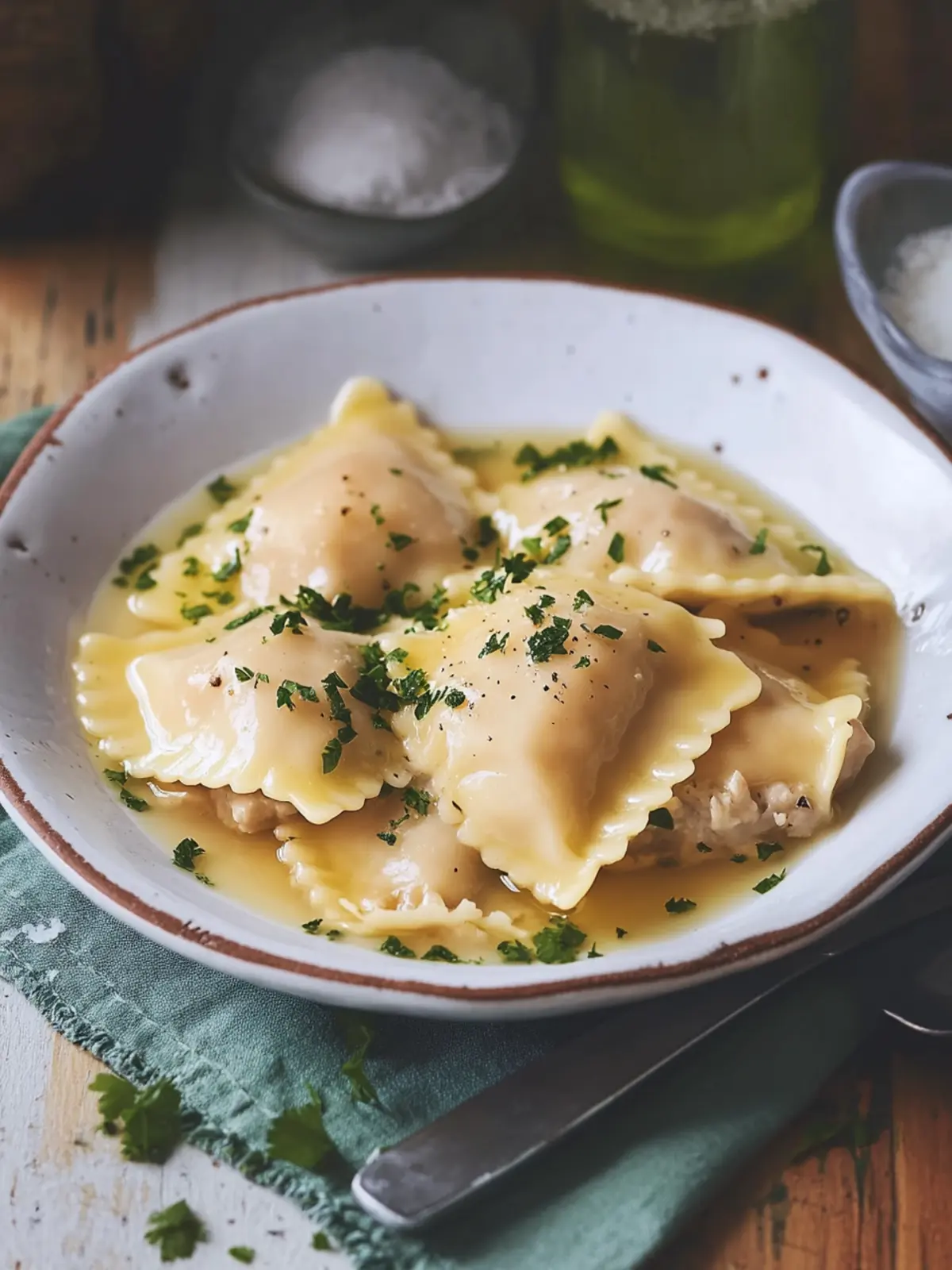
German Maultaschen Recipe FAQs
What is the best way to select fresh ingredients for Maultaschen?
Absolutely! For the freshest ingredients, choose spinach that looks vibrant and has no dark spots, and select ground pork or beef that is bright red with a firm texture. For the eggs, pick large ones that feel heavy for their size—this indicates freshness.
How should I store cooked Maultaschen?
Cooked German Maultaschen can be stored in an airtight container in the refrigerator for up to 3 days. Make sure they have cooled completely to maintain their texture and prevent moisture buildup that could lead to sogginess.
Can I freeze Maultaschen, and if so, how?
Very! To freeze uncooked Maultaschen, lay them in a single layer on a baking sheet so they don’t stick together, and place them in the freezer. Once frozen solid (about 2 hours), transfer them to a zip-top bag and store for up to 3 months. You can cook them straight from frozen—just simmer in broth for 15 additional minutes.
What should I do if my dough is too sticky or too dry?
No worries! If your dough is too sticky, sprinkle in a little more flour, kneading it slightly until you reach the right consistency. If it’s too dry, slowly add a teaspoon of water at a time, continuing to knead until it becomes smooth. The goal is a dough that is pliable yet holds its shape without being tacky.
Are there any common allergies I should be aware of when making Maultaschen?
Indeed. Maultaschen contains gluten from the flour, eggs, and meat, which are common allergens. For a gluten-free variation, you can try using a gluten-free flour blend. If there are any egg allergies, you may adopt flax eggs as a substitute for the binding. Always consult with your guests about dietary restrictions when serving.
Can my pets eat Maultaschen?
It’s not recommended to feed your pets Maultaschen. The ingredients include onion and garlic, both of which can be harmful to dogs and cats. Always ensure that your furry friends stick to their designated diet for their health and safety.
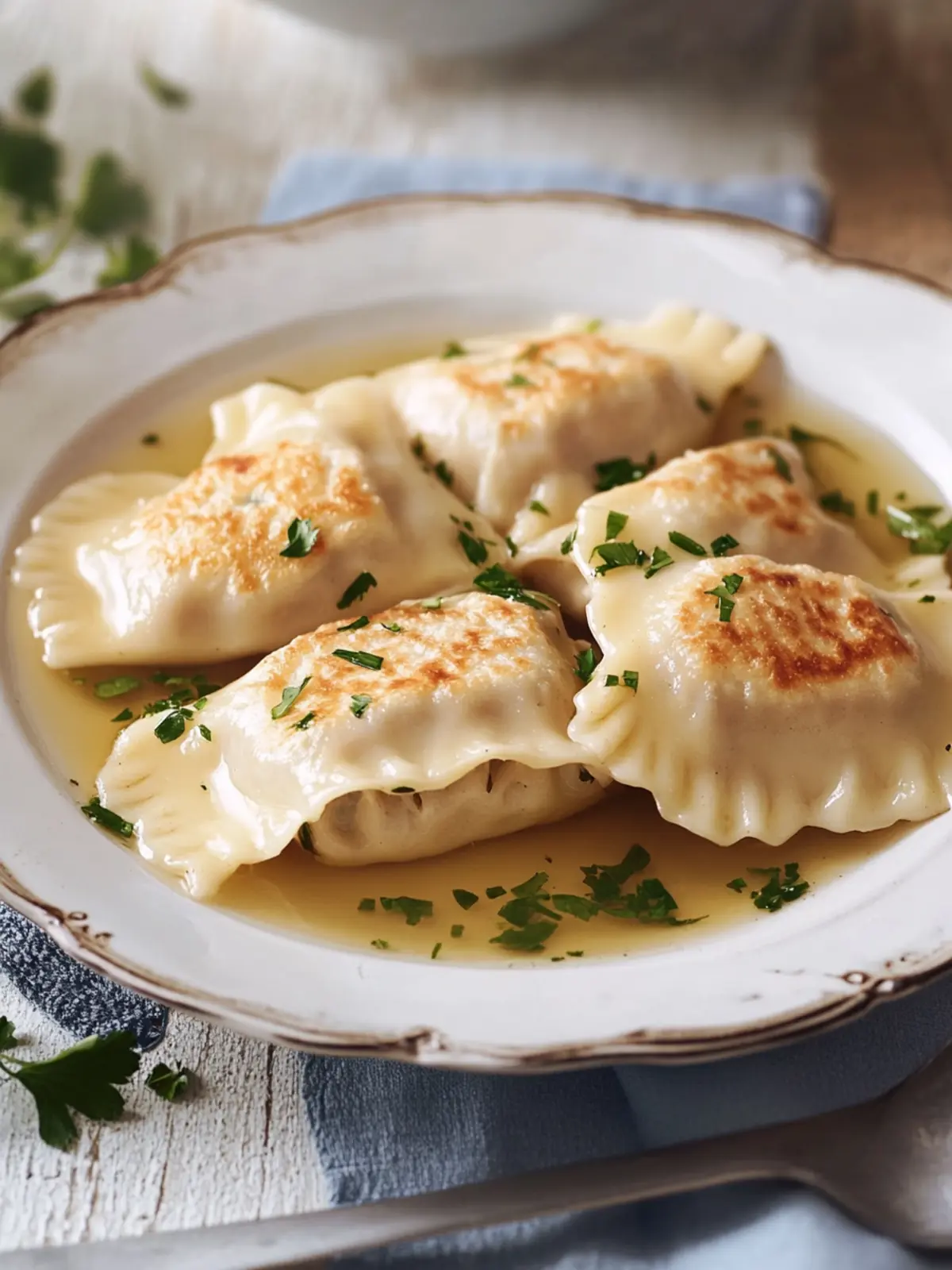
Delicious German Maultaschen: Comfort Food for All Occasions
Ingredients
Equipment
Method
- Prepare the dough: In a mixing bowl, combine the all-purpose flour, large eggs, water, and salt to create a rough dough. Knead it for 8-10 minutes until it's smooth and elastic. Let it rest uncovered for 30 minutes so it can relax.
- Make the filling: In a large bowl, combine the ground pork or beef, blanched spinach, soaked day-old bread, diced onion, minced garlic, egg, mustard, dried marjoram, grated nutmeg, salt, and pepper. Mix until everything is well-combined and cohesive.
- Roll out the dough: On a floured surface, roll the dough into a thin sheet, about 2mm thick. Use a sharp knife to cut it into rectangles measuring approximately 10x12 cm.
- Assemble Maultaschen: Take a tablespoon of filling and place it on each pasta rectangle. Carefully fold the dough over the filling, then seal the edges firmly by crimping with a fork.
- Cook the Maultaschen: Gently add the assembled Maultaschen into a pot of simmering vegetable or beef broth. Cook for about 12-15 minutes, avoiding a rolling boil.
- Optional pan-frying: For an extra crispy treat, pat the cooked Maultaschen dry, then sauté them in butter or oil over medium heat until they're golden brown.
- Serve: Present your Maultaschen in bowls filled with warm broth or enjoy them pan-fried with a sprinkle of fresh parsley or chives.