
The first time I took a warm slice of Finnish Ruisleipä and spread a pat of butter on top, a wave of comfort and nostalgia washed over me. This hearty rye bread, with its dense texture and tangy flavor, is more than just a staple in Finnish cuisine – it’s a culinary hug from the past. Born from a tradition spanning centuries, Ruisleipä has graced Finnish tables through the chill of winter and the warmth of summer feasts alike. Picture yourself serving it alongside a spread of smoked fish or using it as the foundation for vibrant open-faced sandwiches. What makes this recipe even more enchanting is its simplicity; with just a few ingredients, you can master the art of sourdough bread-making and indulge in the wholesome, robust flavor that only comes from using wholegrain rye flour. So, let’s roll up our sleeves and dive into the world of making this deliciously unique Finnish treasure!
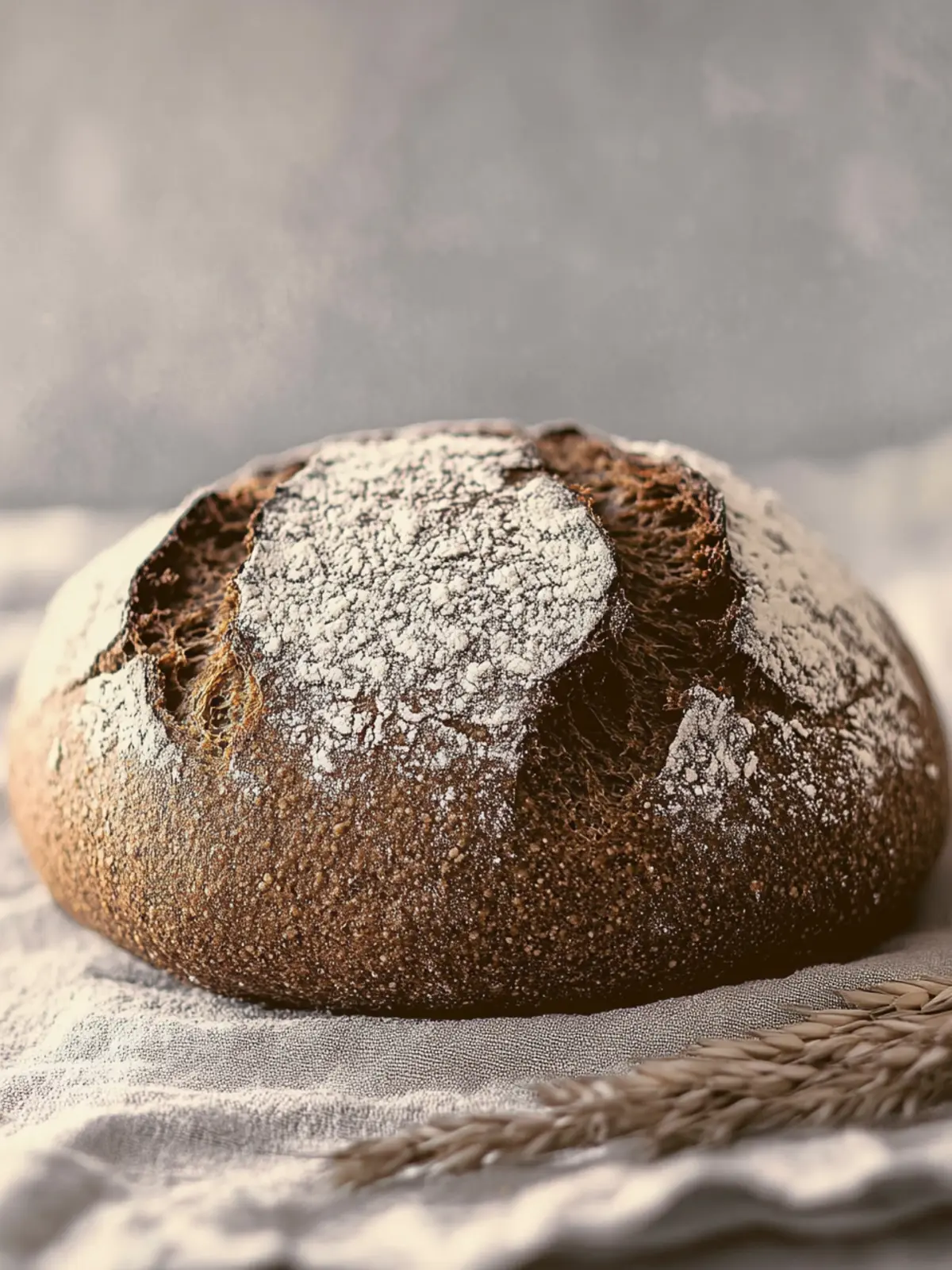
Why is Finnish Ruisleipä (Rye Bread) so special?
Authentic Tradition: This recipe connects you to Finland’s rich culinary history, reflecting generations of expertise in rye bread-making.
Simple Ingredients: Just a few basic elements—rye flour, water, and salt—make this recipe accessible for all home chefs.
Deliciously Versatile: Perfect for pairing with butter, cheeses, and meats, Ruisleipä elevates any meal.
Wholesome Flavor: The unique tang from sourdough and wholegrain rye creates a hearty loaf that delights the palate.
Sourdough Magic: Harness the power of natural fermentation for depth and complexity in flavor.
Time-Efficient Rewards: With a little patience, you’ll be rewarded with bakery-quality bread right in your kitchen.
Finnish Ruisleipä (Rye Bread) Ingredients
For the Dough
• Active rye sourdough starter – This key ingredient provides natural leavening and the distinctive sour flavor essential to Finnish Ruisleipä.
• Lukewarm water – Hydrates the other ingredients and is crucial for fermentation; make sure it’s not too hot to keep the yeast alive.
• Wholegrain rye flour – The primary ingredient that gives Ruisleipä its structure and flavor; using lighter flours will change the bread’s authenticity.
• Fine sea salt – Enhances the overall flavor and controls fermentation; avoid table salt for the best results.
For Dusting
• Extra rye flour – Use this to prevent sticking while shaping your dough; feel free to swap it out with other flours if need be.
Optional Flavor Enhancer
• Molasses – Adds depth and a rich color to your bread; it can be omitted or exchanged for another sweetener without losing the essence of this traditional rye bread.
Embrace the delightful process of making Finnish Ruisleipä, and enjoy the wonderful tang of this homemade sourdough rye bread!
How to Make Finnish Ruisleipä
-
Mix the active rye sourdough starter with lukewarm water in a large bowl until well combined. If desired, add the optional molasses for additional flavor.
-
Incorporate the wholegrain rye flour and fine sea salt gradually, mixing until a thick dough forms. Avoid over-kneading to keep the texture delightful.
-
Cover the bowl with a cloth and let the dough ferment at room temperature for 12-24 hours. It’s ready when you see bubbles and it has slightly risen.
-
Shape the dough gently on a floured surface into a round or oval loaf. Handle it softly to avoid deflating the dough.
-
Rest the shaped loaf for 1-2 hours until it develops a dry skin—a key step to achieving that perfect crust.
-
Preheat your oven to 220°C (428°F). Place an empty metal tray on the bottom rack for steam creation later.
-
Score the top of the loaf with a sharp knife and put it in the oven. Pour hot water into the tray beneath to generate steam, which helps with crust development.
-
Bake at 220°C for the first 15 minutes, then reduce the temperature to 190°C (374°F) and continue baking for another 35 minutes.
-
Cool the bread fully on a wire rack before slicing to allow the flavors to set and improve the overall texture.
Optional: Enjoy your Ruisleipä with a generous spread of butter for an extra treat!
Exact quantities are listed in the recipe card below.
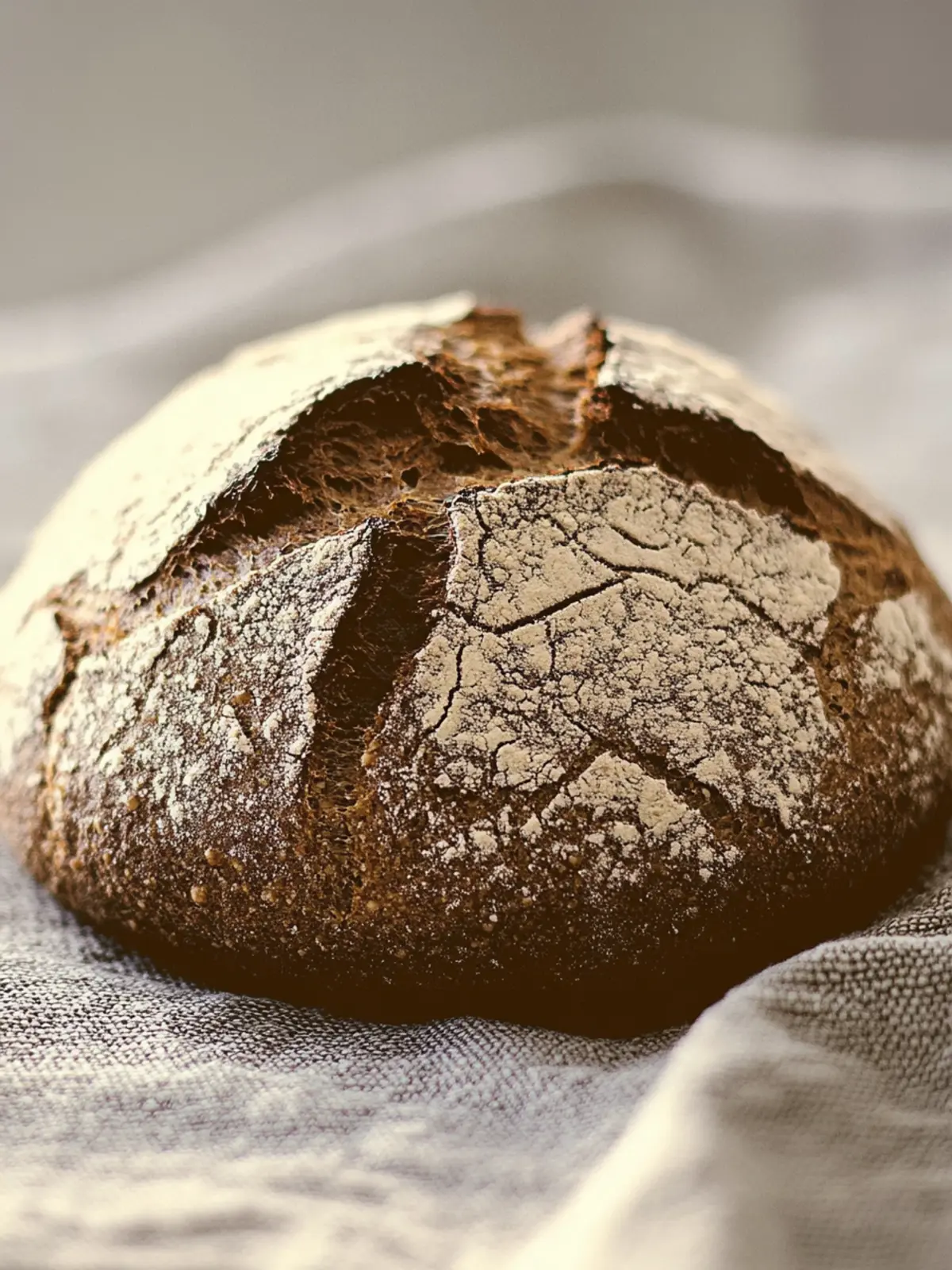
Expert Tips for Finnish Ruisleipä
• Warm Environment: Ensure your dough ferments in a warm, draft-free area to achieve proper rising and flavor development.
• Gentle Handling: Always shape your dough with care to maintain its gas bubbles; this preserves the delightful texture you desire in Finnish Ruisleipä.
• Perfect Scoring: Use a serrated knife for scoring the loaf, as this prevents the crust from cracking unevenly during baking.
• Patient Cooling: Allow the bread to cool completely on a wire rack before slicing to enhance the flavor and texture, making each bite more satisfying.
• Adaptable Flour: If wholegrain rye flour isn’t available, consider mixing in a small amount of wheat flour for a different texture, but know it alters authenticity.
What to Serve with Finnish Ruisleipä (Rye Bread)?
Imagine a cozy gathering where the enticing aroma of freshly baked bread fills the air, inviting heartfelt moments and delightful pairings.
- Creamy Butter: A generous spread of creamy butter enhances the bread’s earthy flavors, creating a comforting bite that melts in your mouth.
- Smoked Salmon: The rich, smoky notes of salmon atop Ruisleipä offer a vibrant contrast, making each slice an elegant appetizer.
- Strong Cheese: A sharp cheese like aged Gouda or blue cheese brings a savory punch that beautifully balances the bread’s tanginess.
- Pickled Vegetables: Bright, tangy pickles add crunch and acidity, making the meal more exciting and lively. Pairing them helps elevate this hearty loaf.
- Roasted Vegetables: Warm roasted veggies add a hearty freshness, offering earthy tones that complement the bread’s robust flavor wonderfully.
- Mushroom Soup: A warm bowl of mushroom soup provides a creamy richness, creating a comforting combination that’s perfect for any chilly evening.
- Red Wine: A glass of full-bodied red wine introduces depth to the meal, enhancing flavors while making your dining experience truly special.
Finnish Ruisleipä (Rye Bread) Variations
Feel free to add your personal touch to this classic recipe and create a version that excites your taste buds!
- Gluten-Free: Substitute with gluten-free sourdough starter and flour for a delightful, allergy-friendly option.
- Wheat Blend: Incorporate up to 30% whole wheat flour for a softer texture, enhancing its flavor.
- Sweet Twist: Add 2 tablespoons of malt or honey for a hint of sweetness that beautifully balances the sourness.
- Seed & Nut Add-Ins: Fold in seeds like sunflower or pumpkin, or even chopped nuts, for added crunch and texture.
- Herb-Infused: Mix dried herbs such as dill or thyme into the dough for a fragrant flavor lift with every bite.
- Spicy Kick: Add a pinch of cayenne pepper or crushed red pepper flakes to the mix for a subtle heat that surprises the palate.
- Fruitful Delight: Incorporate dried fruits like cranberries or raisins for a sweet contrast to the earthy rye flavors.
- Cheese Boost: Stir in shredded cheese, like cheddar or feta, to introduce rich, savory notes that meld beautifully!
Explore these variations to create a Finnish Ruisleipä that suits your personal taste and culinary surroundings!
Storage Tips for Finnish Ruisleipä
Room Temperature: Store your Ruisleipä wrapped in a clean cloth for optimal flavor retention. It can last up to 3 days at room temperature, ensuring you enjoy its delightful tang.
Fridge: For longer storage, place the bread in an airtight container in the fridge. While it can last up to 1 week, the texture might become denser.
Freezer: To keep your Finnish Ruisleipä fresh for up to 3 months, slice it before freezing and wrap each piece tightly in plastic wrap, then place it in a freezer bag.
Reheating: To revive the bread, simply toast slices in a toaster, or wrap the whole loaf in foil and warm it in a low oven until heated through.
Make Ahead Options
Finnish Ruisleipä is a fantastic recipe for those who love to meal prep! You can mix the dough and let it ferment up to 24 hours in advance, making it a perfect choice for busy weeknights. To do this, simply cover the bowl with a cloth and store it in a warm, draft-free area. Additionally, you can shape the loaf and allow it to rest for up to 2 hours before baking. For best quality, bake the bread on the same day to ensure it remains fresh and delicious. If you need to finish it later, store the unbaked loaf in the refrigerator overnight. Just allow it to come to room temperature before scoring and baking, and you’ll enjoy the same delightful tang of homemade Finnish Ruisleipä with minimal effort!
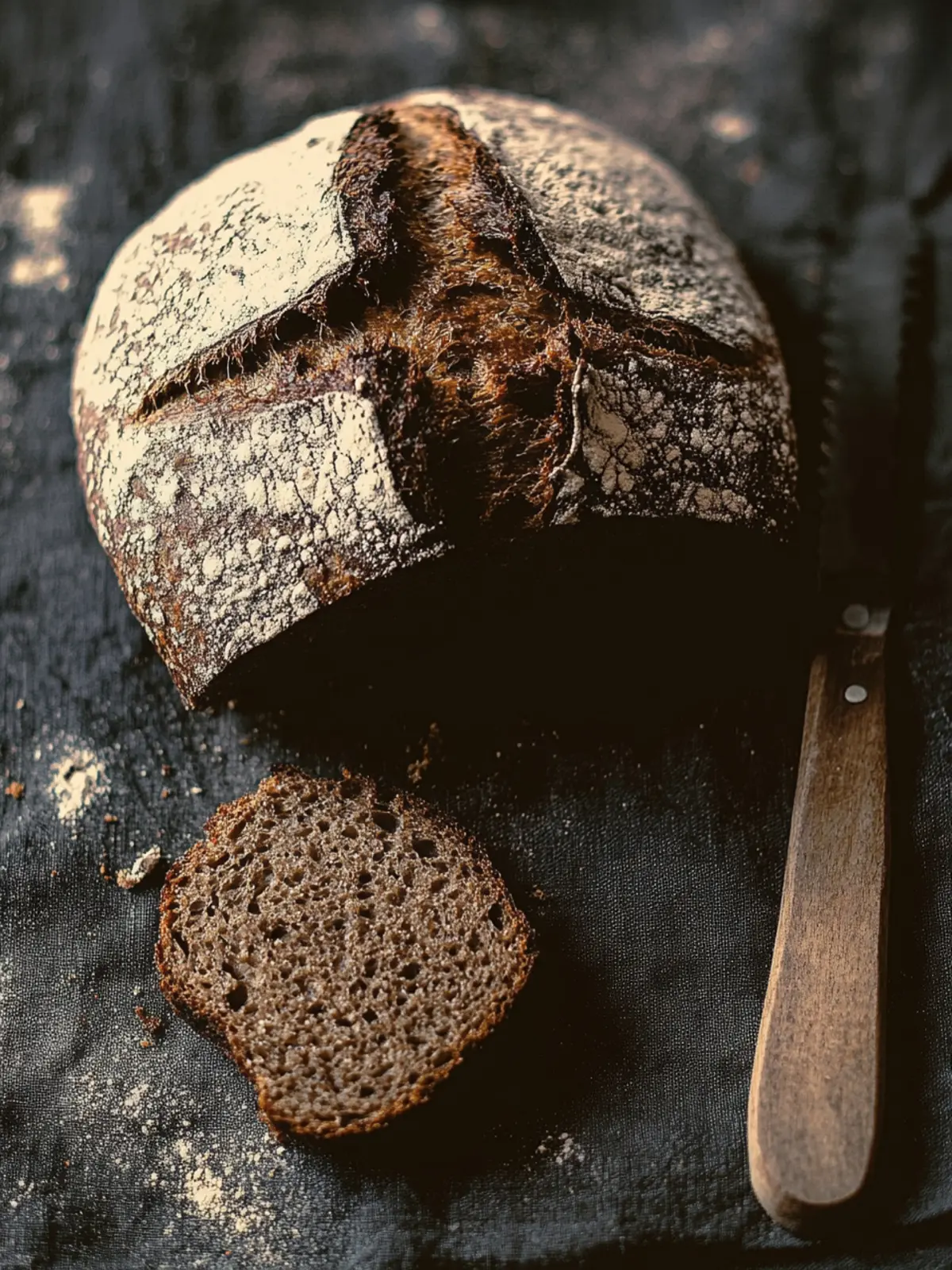
Finnish Ruisleipä (Rye Bread) Recipe FAQs
What type of rye flour should I use for Finnish Ruisleipä?
Using wholegrain rye flour is essential for achieving the authentic flavor and dense texture of traditional Finnish Ruisleipä. It gives the bread its character and rich taste. If you’re in a pinch, light rye flour can be used, but be aware that it will change the bread’s authenticity and taste profile.
How should I store Finnish Ruisleipä?
For optimal flavor retention, keep your Ruisleipä wrapped in a clean cloth at room temperature. This method allows the bread to breathe and can maintain its taste for up to 3 days. If you wish to prolong its life, place it in an airtight container in the fridge for up to 1 week, though it may become denser over time.
Can I freeze Finnish Ruisleipä?
Absolutely! To freeze your Finnish Ruisleipä, I recommend slicing the bread first for convenience. Wrap each slice tightly in plastic wrap and place them in a freezer bag. Stored this way, your Ruisleipä can remain delicious for up to 3 months. Whenever you’re ready for a slice, simply toast it or wrap the whole loaf in foil and warm it in a low oven until heated through.
What if my dough doesn’t rise during fermentation?
If your dough hasn’t risen, it may be due to using lukewarm water that’s too hot, killing the yeast. Ensure your water is about body temperature (around 37°C or 98°F). Additionally, place the dough in a warm, draft-free area to encourage fermentation. If all else fails, you can gently knead in a bit more starter and let it ferment longer.
Is Finnish Ruisleipä suitable for gluten-free diets?
Yes and no. The recipe is inherently not gluten-free due to the use of rye flour. However, if you use a gluten-free sourdough starter and gluten-free flour alternatives, you can create a version of Ruisleipä that accommodates those dietary restrictions. Just be mindful that the taste and texture will differ from the traditional version.
How can I enhance the flavor of my Finnish Ruisleipä?
To bring out even more flavor in your Ruisleipä, consider incorporating optional ingredients like molasses for depth and color or a small amount of malt for sweetness. Another great idea is to add some seeds like caraway or fennel for an aromatic twist; it complements the tang of the rye beautifully!
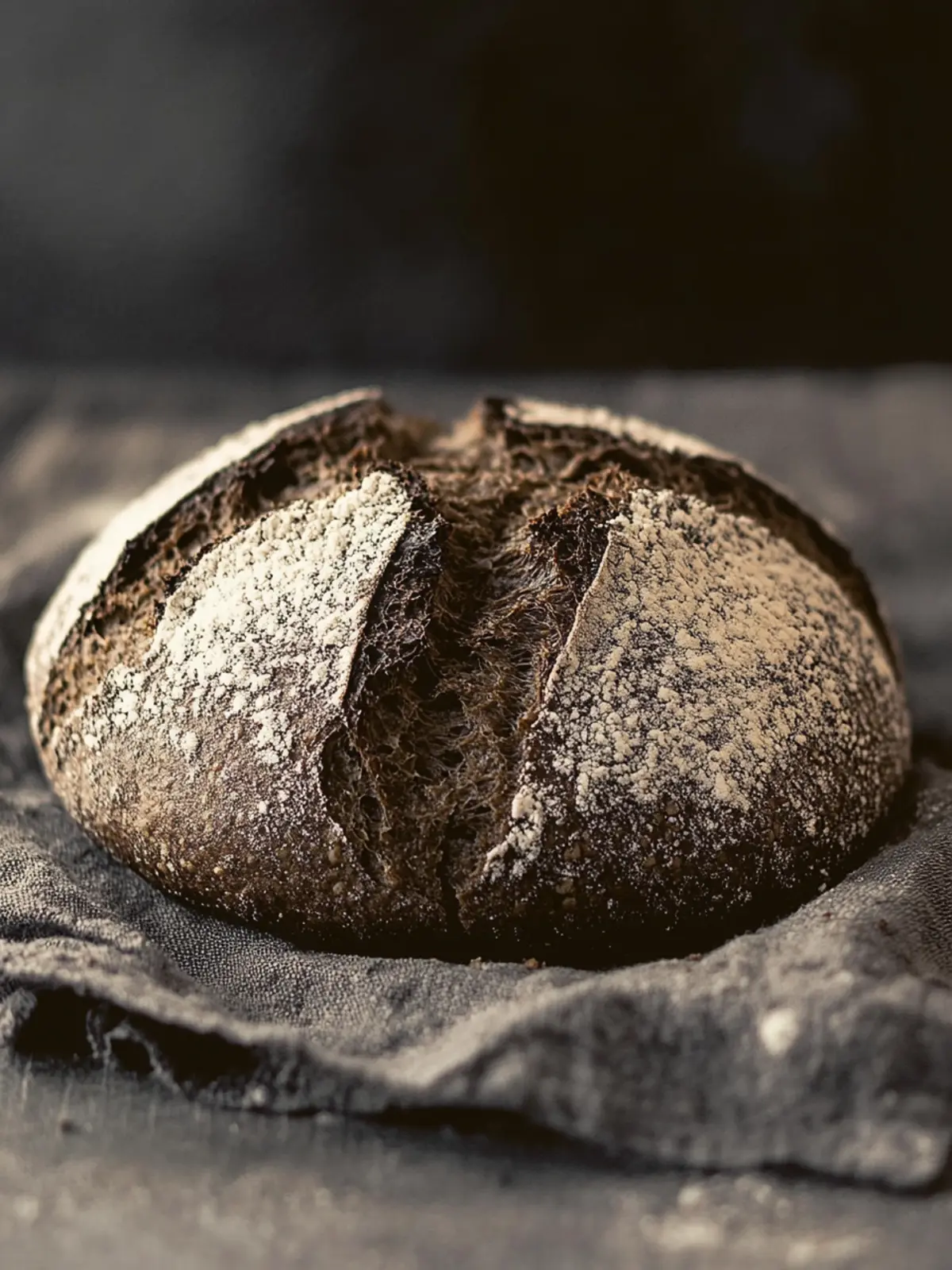
Finnish Ruisleipä: Your Deliciously Hearty Rye Bread Adventure
Ingredients
Equipment
Method
- Mix the active rye sourdough starter with lukewarm water in a large bowl until well combined. If desired, add the optional molasses for additional flavor.
- Incorporate the wholegrain rye flour and fine sea salt gradually, mixing until a thick dough forms.
- Cover the bowl with a cloth and let the dough ferment at room temperature for 12-24 hours.
- Shape the dough gently on a floured surface into a round or oval loaf.
- Rest the shaped loaf for 1-2 hours until it develops a dry skin.
- Preheat your oven to 220°C (428°F). Place an empty metal tray on the bottom rack.
- Score the top of the loaf with a sharp knife and put it in the oven. Pour hot water into the tray beneath.
- Bake at 220°C for the first 15 minutes, then reduce the temperature to 190°C (374°F) and continue baking for another 35 minutes.
- Cool the bread fully on a wire rack before slicing.