
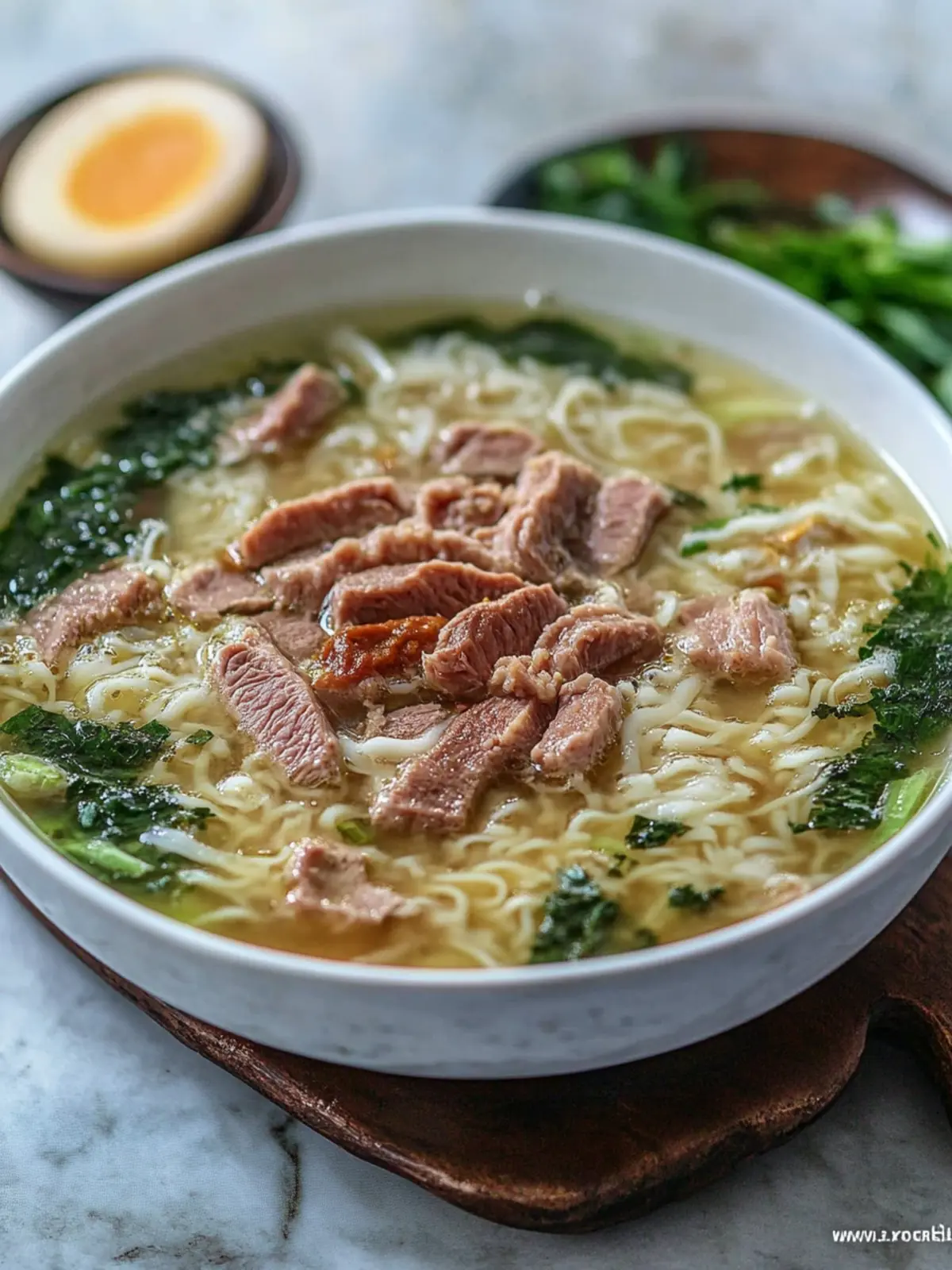
The moment I stepped into my kitchen, the warm aroma of simmering garlic and ginger filled the air, instantly transporting me back to my childhood. Growing up in a Filipino household, one dish that always warmed my heart was Batchoy Tagalog. This hearty noodle soup, rich in flavor and comfort, showcases tender pork alongside a unique medley of innards that elevate its savory broth to new heights. Each spoonful offers a delightful embrace, buoyed by the misua noodles that soak up all that goodness.
As the days grow cooler, there’s nothing quite like curling up with a steaming bowl of Batchoy Tagalog, enchanted by its robust flavor and nostalgic essence. Whether you’re gathering with friends or simply treating yourself after a long day, this dish is sure to bring smiles around the table. So, let’s dive into making this beloved Filipino classic and discover how easy it is to create a comforting masterpiece at home.

Why is Batchoy Tagalog so special?
Rich flavors: The harmonious blend of tender pork, savory innards, and fragrant spices creates an irresistible depth of taste that will have everyone coming back for more.
Comforting experience: Each bowl offers warmth and solace, making it the perfect dish for chilly evenings or those days when you need a little extra love in your life.
Unique ingredients: Featuring meats like pork liver and coagulated blood, this soup allows you to explore traditional Filipino flavors that set it apart from ordinary noodle dishes.
Quick and easy: You can whip up this delightful recipe in less than an hour, making it an ideal choice for weeknight dinners or last-minute gatherings with loved ones.
Crowd-pleaser: Whether you’re treating family or hosting friends, Batchoy Tagalog is sure to impress and spark conversations about Filipino culture. Discover more delicious Filipino flavors with our other recipes!
Batchoy Tagalog Ingredients
• Discover the authentic flavors!
For the Soup
- Pork Loin – This tender cut is the foundation, ensuring a hearty flavor for your Batchoy Tagalog.
- Pork Spleen – A unique addition that brings depth; replace with pork pancreas if needed.
- Pork Liver – Adds richness and nutrients to the broth; chicken liver can be a milder alternative.
- Coagulated Pork Blood – Essential for that authentic taste; however, you can omit it for a lighter soup.
- Water – The base of the broth, adjust the amount for your desired thickness.
- Cooking Oil – Use any neutral oil to sauté your aromatics and meats.
For the Noodles and Greens
- Misua Noodles – These thin noodles soak up the broth beautifully; egg noodles work as a substitute.
- Hot Pepper Leaves – For a slight bitterness and depth; feel free to swap with spinach or kale.
For Seasoning
- Onion – Provides essential sweetness; shallots can be an excellent substitute here.
- Garlic – Infuses the soup with delightful fragrance; adjust to your preference.
- Ginger – Adds warmth and spice; modify the amount based on your taste.
- Fish Sauce – Imparts that umami flavor; soy sauce can be used, but the taste will differ.
- Maggi Magic Sarap – This seasoning mix enhances flavor; any reliable all-purpose seasoning can be employed.
- Ground Black Pepper – For seasoning to taste, adding the perfect kick to your Batchoy Tagalog!
How to Make Batchoy Tagalog
-
Heat oil: In a large pot, warm up some cooking oil over medium heat. Add minced garlic and sauté until it turns a light golden brown, then toss in chopped onion and ginger until softened and fragrant.
-
Sauté pork: Introduce the pork loin to the pot. Cook until the edges start to turn light brown, and don’t forget to season with fish sauce to elevate the flavor.
-
Add water: Pour in enough water to cover the meat completely. Cover the pot, bringing the mixture to a boil, then reduce the heat and let it simmer for about 30 minutes, or until the pork is tender.
-
Incorporate innards: After 30 minutes, add the sliced pork liver and spleen. Cover the pot again and boil for an additional 5 minutes to ensure the organs are cooked through.
-
Introduce pork blood: Reduce the heat further; gently stir in the coagulated pork blood. Cook for about 10 minutes without stirring too vigorously to maintain a light broth.
-
Add noodles: Stir in the misua noodles and let them cook for just about 1 minute. Add Maggi Magic Sarap and adjust the seasoning with more fish sauce and ground black pepper according to your taste.
-
Finish with greens: Toss in the hot pepper leaves, cover the pot for a couple of minutes, then remove from heat and allow the flavors to mingle for 2 minutes.
-
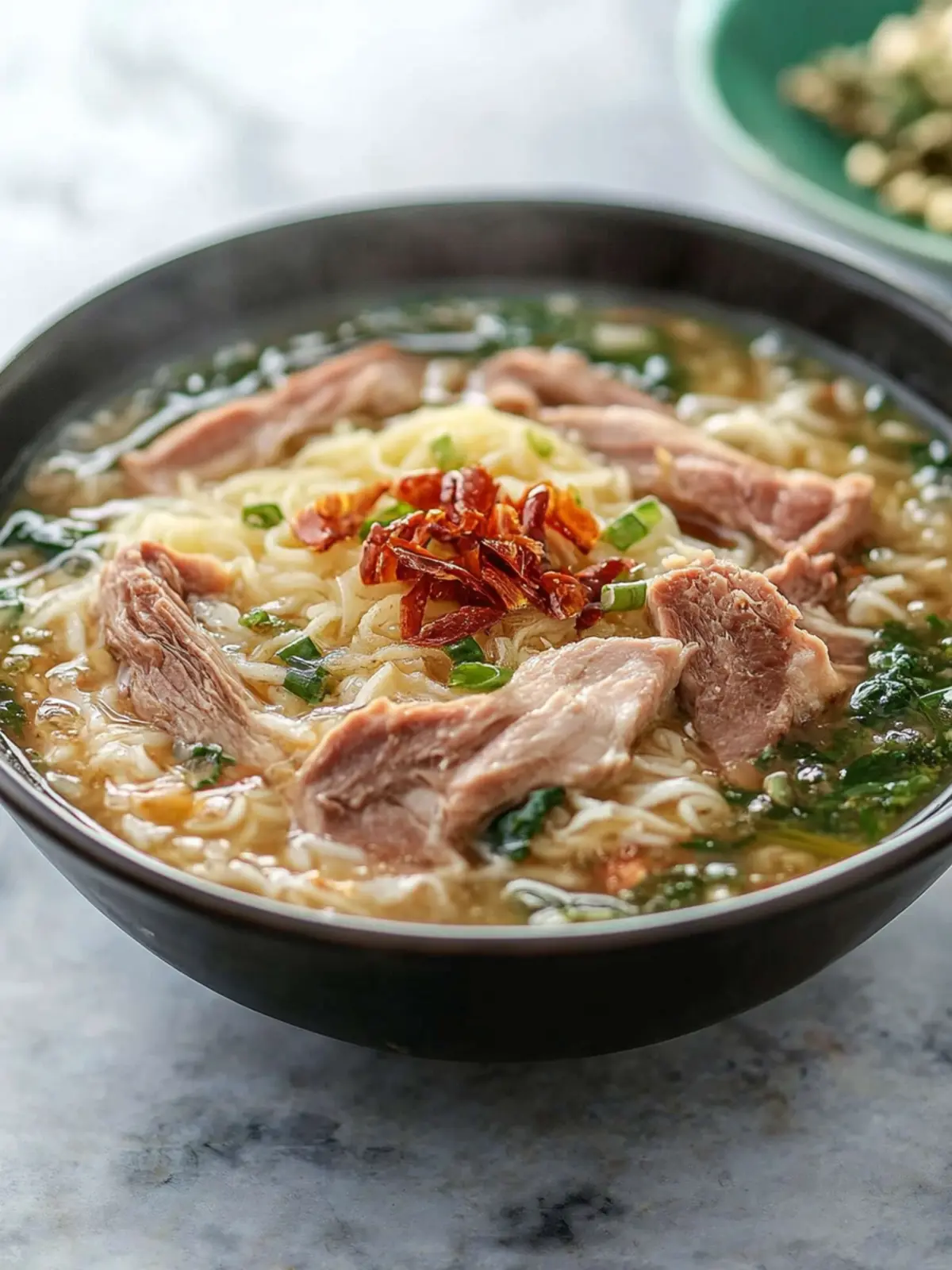
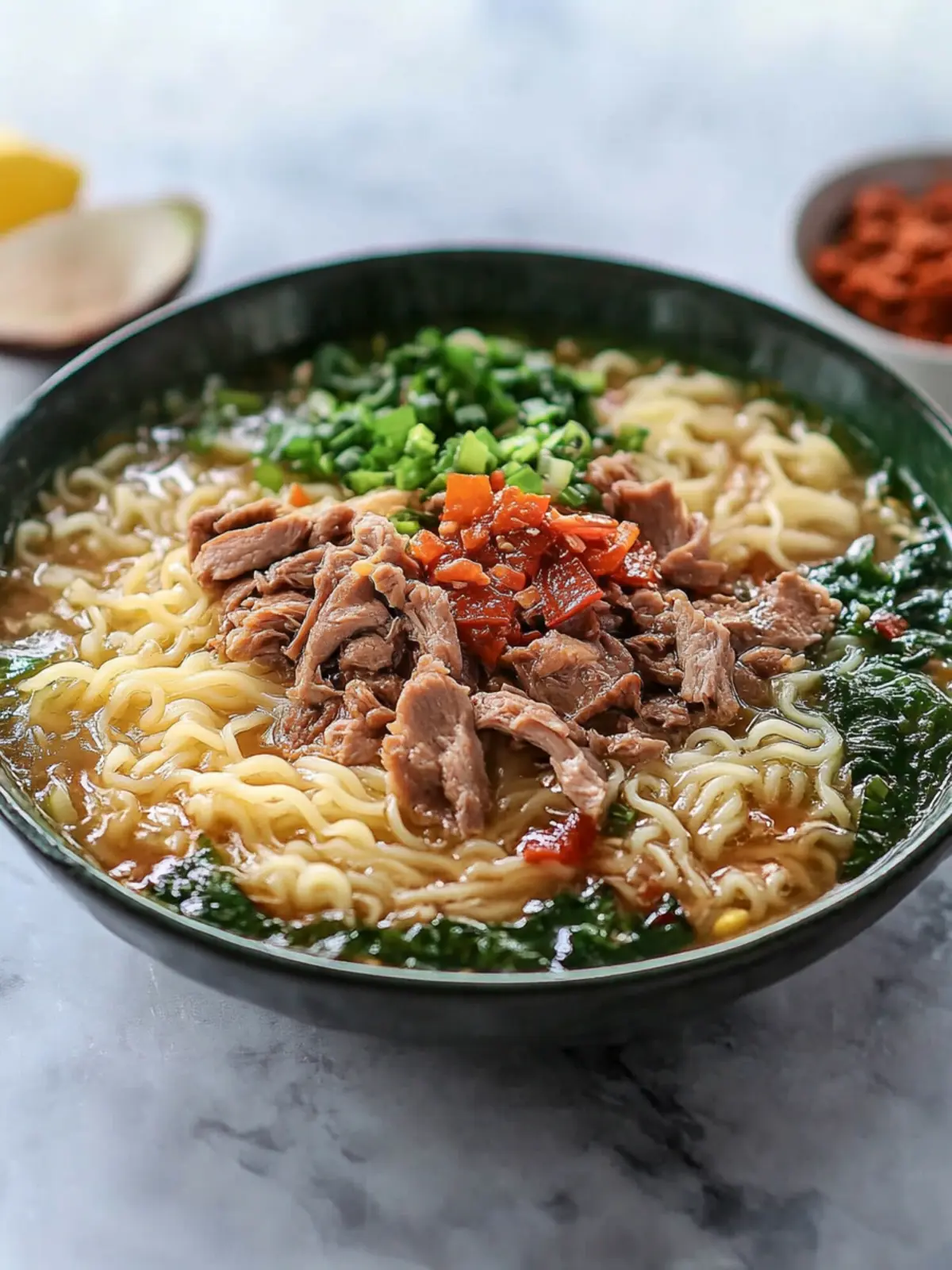
Serve up: Ladle the hot soup into bowls, enjoying it as is or with a side of steamed jasmine rice for that wholesome experience.
Optional: Garnish with fresh green onions or some toasted garlic for that extra touch!
Exact quantities are listed in the recipe card below.
Storage Tips for Batchoy Tagalog
Fridge: Store your Batchoy Tagalog in an airtight container for up to 3-4 days. Allow it to cool completely before refrigerating to maintain freshness.
Freezer: For longer storage, freeze portions of Batchoy Tagalog for up to 2 months. Make sure to use freezer-safe containers, leaving some space for expansion.
Reheating: When ready to enjoy, thaw in the fridge overnight and reheat on the stovetop over medium heat. Stir gently to prevent the noodles from breaking down too much.
Serving suggestion: Add a splash of water or broth while reheating to restore the soup’s consistency if it thickens during storage. Enjoy the flavors of your Batchoy Tagalog once more!
What to Serve with Batchoy Tagalog?
Warm your heart and your kitchen with comforting sides that beautifully complement this flavorful noodle soup.
-
Steamed Jasmine Rice: The fluffy texture of jasmine rice absorbs the rich broth, balancing the robust flavors of the Batchoy Tagalog.
-
Fresh Green Onions: A sprinkle of these adds a bright, crunchy flavor that cuts through the hearty richness of the soup.
-
Toasted Garlic: This crispy topping introduces a delightful crunch and nutty flavor, elevating each spoonful while enhancing the aromatic essence of the soup.
-
Pickled Vegetables: A side of pickled vegetables brings a tangy contrast, brightening each bite and cutting through the richness of the pork and innards.
-
Spicy Banana Ketchup: Drizzling a bit of this sweet and spicy condiment can complement the savory profile of the soup, adding an unexpected twist.
-
Sautéed Bok Choy: The slight bitterness and crisp texture of sautéed bok choy provide a fresh element, offering a nice counterbalance to the hearty ingredients.
-
Lemonade or Calamansi Juice: Enjoying a glass of refreshing lemonade or calamansi drink can cleanse the palate, making the savory flavors of Batchoy Tagalog even more enjoyable.
-
Leche Flan: Round out your meal with a sweet touch. This creamy dessert contrasts beautifully with the savory notes of the soup and completes the Filipino culinary experience.
Make Ahead Options
Batchoy Tagalog is the perfect dish for busy home cooks looking to save time during the week! You can prepare the broth with pork and innards up to 24 hours in advance, allowing the flavors to meld beautifully in the refrigerator. To do this, simply complete steps 1 through 5, including the addition of pork blood but excluding the noodles and hot pepper leaves. Store this hearty base covered in the fridge. When you’re ready to serve, just reheat it on the stove, add the misua noodles, and finish with the greens for a delectable, comforting meal just as delicious as when freshly made. Enjoy the ease of meal prep while indulging in this flavorful Filipino classic!
Tips for the Best Batchoy Tagalog
- Perfect Pork Selection: Use fresh, tender pork loin for the best texture. This provides a hearty base that makes the Batchoy Tagalog extra flavorful.
- Gentle Cooking: Don’t rush the simmering process. Allow the pork to become tender before adding innards. This ensures a rich, comforting broth without tough textures.
- Timing for Pork Blood: Introduce coagulated pork blood at the end of cooking to maintain a lighter soup consistency. Adding it too soon can thicken your Batchoy Tagalog undesirably.
- Noodle Nuance: Misua noodles are traditional, but if you substitute, adjust the cooking time to prevent them from becoming mushy in the broth.
- Seasoning Sensitivity: Taste as you go! Adjust your Maggi Magic Sarap and fish sauce gradually to achieve the perfect balance of flavors for your Batchoy Tagalog.
- Garnish Glow: Consider garnishing with toasted garlic or fresh green onions for a pop of flavor and garnish that will make your dish visually appealing.
Batchoy Tagalog Variations
Feel free to explore these delightful twists and substitutions to make your Batchoy Tagalog your own and cater to your taste!
- Dairy-Free: Skip the pork blood for a lighter broth that still retains the essence of traditional flavors.
- Spicy Twist: Add extra hot pepper leaves or a pinch of chili flakes for an adventurous heat level in each bowl.
- Vegetarian Option: Replace pork with tofu or mushrooms and omit the innards for a plant-based version without sacrificing heartiness.
- Quick Cooking: Use store-bought broth as a base to cut down on simmering time and still enjoy delicious flavor.
- Noodle Variations: Swap misua noodles with rice noodles or even zucchini noodles for a gluten-free twist that still delivers satisfaction.
- Herb Infusion: Enhance your broth by adding fresh herbs like cilantro or basil for an aromatic lift and flavor boost.
- Umami Upgrade: Incorporate mushrooms or a splash of soy sauce alongside fish sauce for an even deeper umami experience.
- Protein Boost: Add an extra protein element like shrimp or chicken to make your Batchoy Tagalog an even more protein-rich delight.
Let your creativity flow and enjoy crafting a customized batch of comfort in every bowl!
Batchoy Tagalog Recipe FAQs
What type of pork is best for Batchoy Tagalog?
Absolutely! For the best flavor and texture, opt for fresh pork loin. Its tenderness and juiciness will form the hearty base of your Batchoy Tagalog. If you’d like a richer taste, you can also consider using pork shoulder, which adds a delightful richness thanks to its higher fat content.
How long can I store Batchoy Tagalog?
You can keep your Batchoy Tagalog in the refrigerator for up to 3-4 days in an airtight container. Be sure to let it cool completely before refrigerating to maintain its freshness and flavor. It’s perfect for meal prep and quick weeknight dinners!
Can I freeze Batchoy Tagalog?
Yes, you can freeze Batchoy Tagalog for up to 2 months! Divide it into portions and store in freezer-safe containers, leaving a little space for expansion as the soup freezes. When you’re ready to enjoy, thaw it overnight in the fridge and reheat gently on the stovetop.
What should I do if my pork liver turns tough?
To avoid tough liver in your Batchoy Tagalog, add it to the pot during the last 5 minutes of cooking. This short cooking time will keep the liver tender and flavorful. Overcooking is the enemy here, as it can create an unappetizing texture!
Is Batchoy Tagalog suitable for people with allergies?
If you or someone you’re serving has specific allergies, it’s important to note that Batchoy Tagalog contains pork and fish sauce, which may not be suitable for all diets. For a gluten-free version, swap the fish sauce with Tamari and ensure that all other ingredients are gluten-free. Always check the labels for allergens!
Can I substitute the coagulated pork blood?
Certainly! If you’re unable to find coagulated pork blood, feel free to omit it for a lighter broth, keeping in mind it will change the depth of flavor. A great alternative is to increase the amount of misua noodles and adjust your seasoning to maintain a flavorful soup.
Savor the Comfort of Batchoy Tagalog: A Hearty Filipino Delight
Ingredients
Equipment
Method
- Heat oil in a large pot over medium heat. Sauté minced garlic until golden brown, then add chopped onion and ginger until softened.
- Add pork loin to the pot, cook until edges turn light brown and season with fish sauce.
- Pour in enough water to cover the meat. Bring to a boil, cover, and let simmer for about 30 minutes until pork is tender.
- Add sliced pork liver and spleen to the pot. Cover again and boil for an additional 5 minutes.
- Gently stir in the coagulated pork blood and cook for about 10 minutes.
- Add misua noodles and cook for about 1 minute. Adjust seasoning with Maggi Magic Sarap, fish sauce, and black pepper.
- Incorporate hot pepper leaves, cover for a couple of minutes, then remove from heat.
- Serve hot in bowls, optionally with steamed jasmine rice.