
The moment I took my first bite of onigiri—those delightful Japanese rice balls—I was instantly transported to a sun-drenched picnic under blooming cherry blossoms. There’s something utterly enchanting about the combination of sticky rice, savory fillings, and a delicate wrap of nori that captures both tradition and simplicity. Whether you’re running errands or enjoying a leisurely afternoon, onigiri makes for the perfect companion, offering just the right balance of flavor and nostalgia.
What makes these little rice gems so appealing is their versatility. From flaky salted salmon to tangy pickled plum, each bite holds surprises waiting to be discovered. I often find myself experimenting with different fillings, creating a unique twist tailored to my mood. Plus, they’re naturally gluten-free!
So, if you’re tired of the mundane fast food routine or looking for a quick snack that doesn’t compromise on taste, let’s dive into this easy onigiri recipe that celebrates the best of homemade Japanese cuisine!

Why are Japanese Onigiri (Rice Balls) a Must-Try?
Simplicity at Its Best: The process is incredibly easy, requiring just a few steps that anyone can master.
Flavorful Creativity: With fillings like flaky salmon or tangy umeboshi, each onigiri becomes a new culinary adventure.
Versatile Snack: Perfect for lunchboxes, snacks, or picnics, they suit any occasion!
Nostalgic Touch: Evokes memories of cherry blossom picnics, bringing a taste of Japan to your table.
Healthy Option: Naturally gluten-free and wholesome, they’re a guilt-free indulgence.
Ready to embrace the art of crafting these delightful rice balls? This recipe provides a delightful journey through flavors and textures you won’t want to miss!
Japanese Onigiri Ingredients
For the Rice
• Japanese Short-Grain Rice – This sticky rice is essential for shaping your onigiri; if unavailable, try another similar short-grain variety.
• Water – Accurate measurement is crucial for fluffy, perfectly cooked rice.
• Salt – It enhances flavor and helps to preserve your onigiri; feel free to omit for dietary preferences.
For the Fillings
• Salted Salmon – Flaky and savory, this filling adds a delicious touch of umami.
• Umeboshi (Pickled Plum) – Tart and tangy, this filling offers a refreshing contrast to the rice.
• Tuna with Mayonnaise – Creamy and rich, this filling is a comforting favorite for many.
• Seasoned Kombu – Adds depth and flavor, providing a unique twist to your onigiri.
For the Wrapping and Garnishing
• Nori Seaweed – Wraps around your onigiri, giving it a crisp texture and an umami boost; other seaweed can be used if needed.
• Sesame Seeds/Furikake – Optional garnishes that enhance both flavor and visual appeal; use them to personalize your onigiri!
Now you’re all set to gather the ingredients for these delightful Japanese Onigiri (Rice Balls)! Enjoy the journey of making a snack that’s as fun to create as it is to eat.
How to Make Japanese Onigiri (Rice Balls)
-
Rinse the Rice: Begin by rinsing the short-grain rice under cold water until the water runs clear, about 5-10 times. This removes excess starch, ensuring a better texture.
-
Cook the Rice: In a rice cooker, combine the rinsed rice with 2 1/2 cups of water and cook according to your rice cooker’s instructions. Alternatively, boil the rice on the stovetop and simmer covered for 15-20 minutes until the water is absorbed.
-
Rest and Fluff: Once cooked, let the rice rest covered for about 10 minutes. Gently fluff the rice with a fork, allowing it to cool slightly while still keeping it warm for shaping.
-
Prepare the Fillings: While the rice cools, prepare your chosen fillings. Flake the salted salmon or mix tuna with mayonnaise, ensuring that each filling is bite-sized for easy assembly.
-
Shape the Onigiri: Lightly wet your hands and sprinkle them with salt. Take about 1/3 cup of rice, flatten it in your palms, and add a teaspoon of filling in the center.
-
Form into Shape: Fold the edges over the filling and gently shape the rice into a triangle or round ball, making sure it holds together firmly.
-
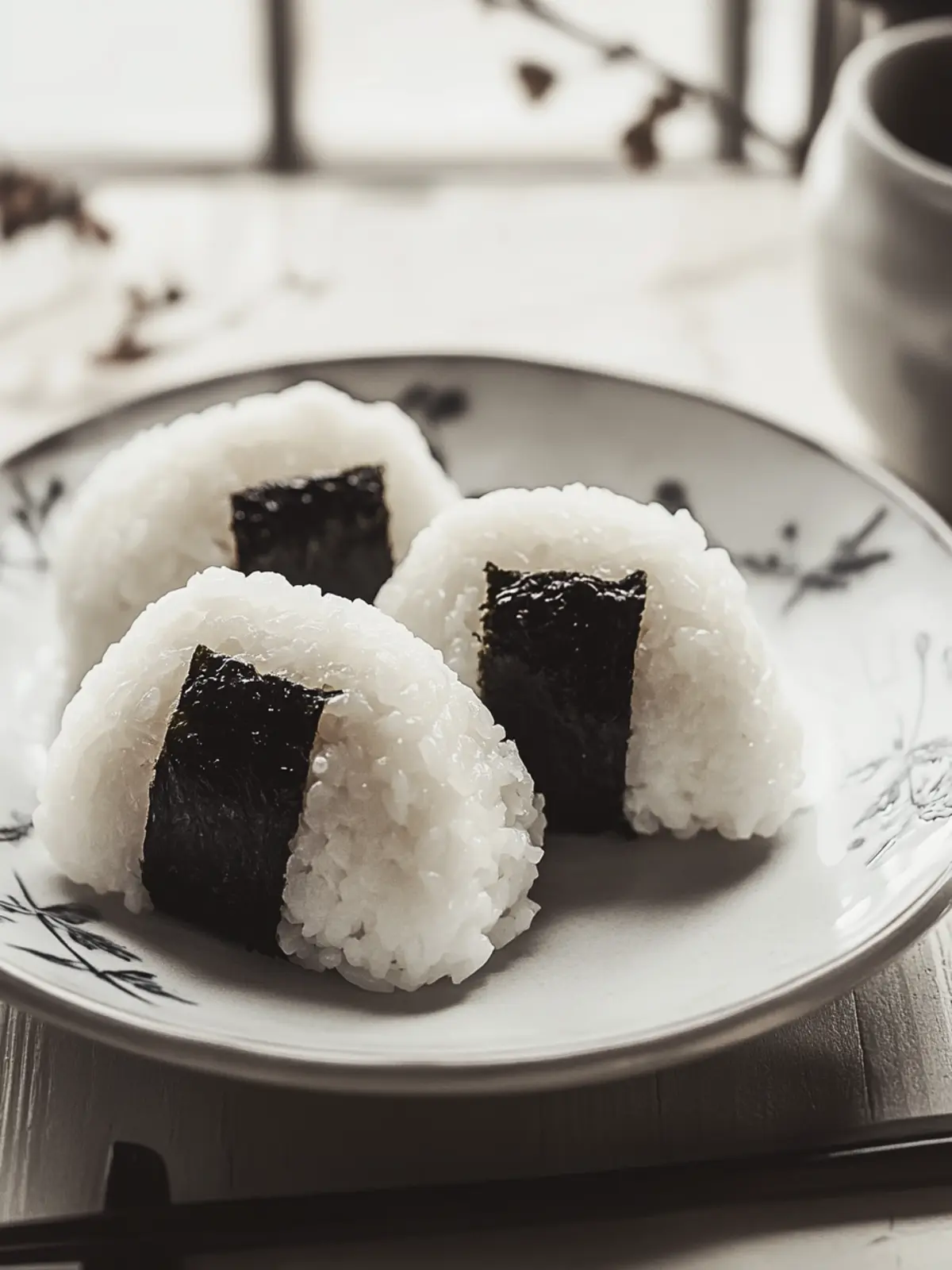
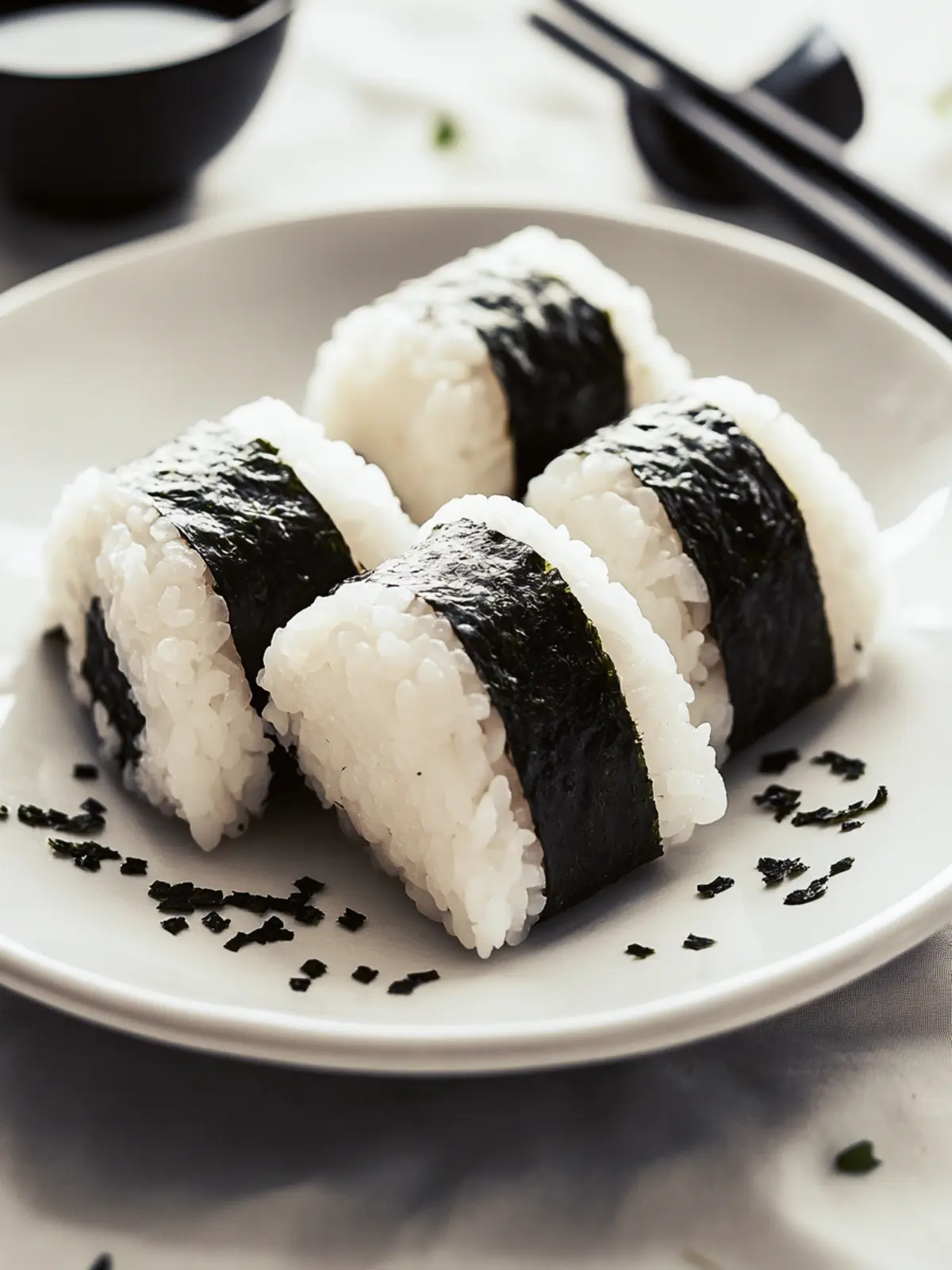
Wrap in Nori (Optional): If you like, toast nori strips briefly before wrapping them around the base of each onigiri for added flavor and crunch.
-
Garnish and Serve: Sprinkle sesame seeds or furikake over your onigiri if desired. Serve them warm or at room temperature as a delightful snack!
Optional: Serve with pickled vegetables for a classic touch.
Exact quantities are listed in the recipe card below.
Storage Tips for Japanese Onigiri (Rice Balls)
Room Temperature: Enjoy onigiri fresh! Keep them at room temperature for up to 3 hours, ensuring a delightful texture.
Fridge: If you need to store leftovers, wrap onigiri individually in plastic wrap and refrigerate for up to 2 days. Consume them cold or at room temperature.
Freezer: For longer storage, place wrapped onigiri in an airtight container and freeze for up to 1 month. Thaw in the fridge overnight before reheating.
Reheating: Warm your onigiri in the microwave for about 10-15 seconds. Avoid overheating, as it can dry out the rice. Enjoy your homemade Japanese onigiri with a fresh perspective!
What to Serve with Japanese Onigiri (Rice Balls)?
Elevate your onigiri experience with these complementary dishes that add a delightful balance of flavor and texture to your meal.
- Miso Soup: A warm bowl of savory miso soup acts as a perfect comforting pairing, enhancing the umami flavors of your onigiri.
- Pickled Vegetables: Crunchy and tangy pickled vegetables like takuan provide a refreshing contrast that brightens each bite, capturing authentic Japanese taste.
- Edamame: Lightly salted edamame pods offer a delightful bite-sized protein, turning your meal into a wholesome and satisfying snack combo.
- Green Tea: Sip on a warm cup of green tea to cleanse your palate, balancing the rich flavors of onigiri with a light, aromatic experience.
- Seaweed Salad: This fresh and slightly tangy salad brings a refreshing, crisp texture, harmonizing perfectly with the sticky rice of your onigiri.
- Tempura Vegetables: Crispy tempura adds a wonderful crunch alongside your onigiri, creating an irresistible contrast in textures and flavors.
- Fruit Salad: A light fruit salad gives a sweet finish to your meal, with juicy bites that cleanse the palate and complement the savory onigiri.
- Japanese Katsu: For a heartier companion, a portion of crispy fried katsu provides a satisfying crunch and depth of flavor that beautifully contrasts with the delicate onigiri.
- Matcha Dessert: Conclude your meal with a matcha dessert, like a mochi or mousse, offering an elegant touch that echoes the green notes of your accompanying tea.
With these delightful pairings, your Japanese onigiri will shine as part of a memorable, beautifully balanced meal.
Japanese Onigiri (Rice Balls) Variations & Substitutions
Feel free to personalize your onigiri adventure, exploring delightful twists that make these rice balls uniquely yours!
- Vegetarian: Swap fillings for sautéed mushrooms or grilled vegetables to create a delicious plant-based onigiri.
- Spicy Kick: Add a smear of spicy mayo or sriracha to your tuna filling for a flavorful heat that brings excitement to each bite.
- Sesame Boost: Mix sesame oil into the rice for an aromatic infusion that elevates the overall taste.
- Herbed Rice: Stir in fresh herbs like cilantro or basil into the rice before shaping for a refreshing twist with each mouthful.
- Citrus Zest: Brighten your rice with lemon or lime zest as you cook it, adding a refreshing citrus note.
- Protein Pack: Consider adding grilled chicken or tofu for a heartier version that keeps you feeling full and satisfied.
- Umami Flavor: Experiment with miso paste; incorporate a teaspoon into your filling for a deep savory punch that delights the taste buds.
- Sweet Surprise: Try a sweet filling like sweetened red bean paste or even chocolate for a fun dessert version of onigiri that still maintains charm.
Make Ahead Options
These Japanese Onigiri (Rice Balls) are perfect for meal prep! You can cook and prepare the rice up to 24 hours in advance. Once cooked, allow the rice to cool slightly before storing it in an airtight container in the refrigerator. You can also prepare your fillings (like flaked salted salmon or tuna with mayonnaise) up to 3 days ahead; just keep them refrigerated in separate containers to maintain freshness. When you’re ready to serve, shape the onigiri by adding the cooled rice and filling, and mold them into your desired shape. With this prep method, you’ll enjoy delicious, homemade onigiri with minimal effort—ideal for busy weeknights or impromptu picnics!
Expert Tips for Japanese Onigiri
- Warm Rice: Use warm rice for easier shaping; it helps the onigiri hold its form better without falling apart.
- Hands Health: Avoid over-wetting your hands—too much moisture can make the rice sticky and hard to handle.
- Filling Consistency: Ensure fillings are not overly moist; soggy fillings can lead to disintegrating onigiri.
- Nori Toasting: Toasting the nori lightly before wrapping it adds an extra layer of flavor and a satisfying crunch.
- Experiment Freely: Don’t hesitate to try new fillings; your creativity is key in making these Japanese onigiri uniquely yours!
Japanese Onigiri (Rice Balls) Recipe FAQs
What kind of rice should I use for onigiri?
Absolutely! Japanese short-grain rice is preferred for onigiri because its sticky texture allows the rice balls to hold their shape. If you can’t find it, you can use another sticky, short-grain variety, but avoid long-grain rice as it won’t work the same way.
How should I store leftover onigiri?
For the best texture, enjoy onigiri fresh! At room temperature, they can last for up to 3 hours. If you have leftovers, wrap them individually in plastic wrap and refrigerate for up to 2 days. They can be served cold or at room temperature, just remember they are best enjoyed fresh!
Can onigiri be frozen? How do I do that?
Yes, you can absolutely freeze onigiri! Wrap each rice ball individually in plastic wrap, then place them in an airtight container or freezer bag. They will keep well for up to 1 month. When you’re ready to enjoy, thaw them in the fridge overnight, and warm them gently in the microwave for about 10-15 seconds, being careful not to overheat them.
What should I do if my onigiri falls apart?
Very! If your onigiri is falling apart, it may be due to either using cold rice or not having enough water during the cooking process. Always use warm rice for shaping, as it helps the rice stick together better. If they’re too wet, let them cool for a few minutes; the rice should hold together without excessive moisture.
Are onigiri safe for people with dietary restrictions?
Absolutely! Onigiri can be quite versatile. If you’re gluten-sensitive, feel free to omit any soy sauce in the fillings and stick to gluten-free options. For those with allergies, simply choose fillings that suit your dietary needs, like vegetables or certain proteins. You can even create onigiri that cater to your specific preferences!
How ripe should the fillings be?
When preparing fillings like salted salmon or umeboshi, make sure they’re fresh but not overly ripe to avoid any sogginess. Flaky and fresh fillings work best! If using vegetables, choose crisp, well-prepared options like seasoned kombu for that extra crunch. The balance in texture is key for enjoying each delightful bite of your Japanese onigiri!
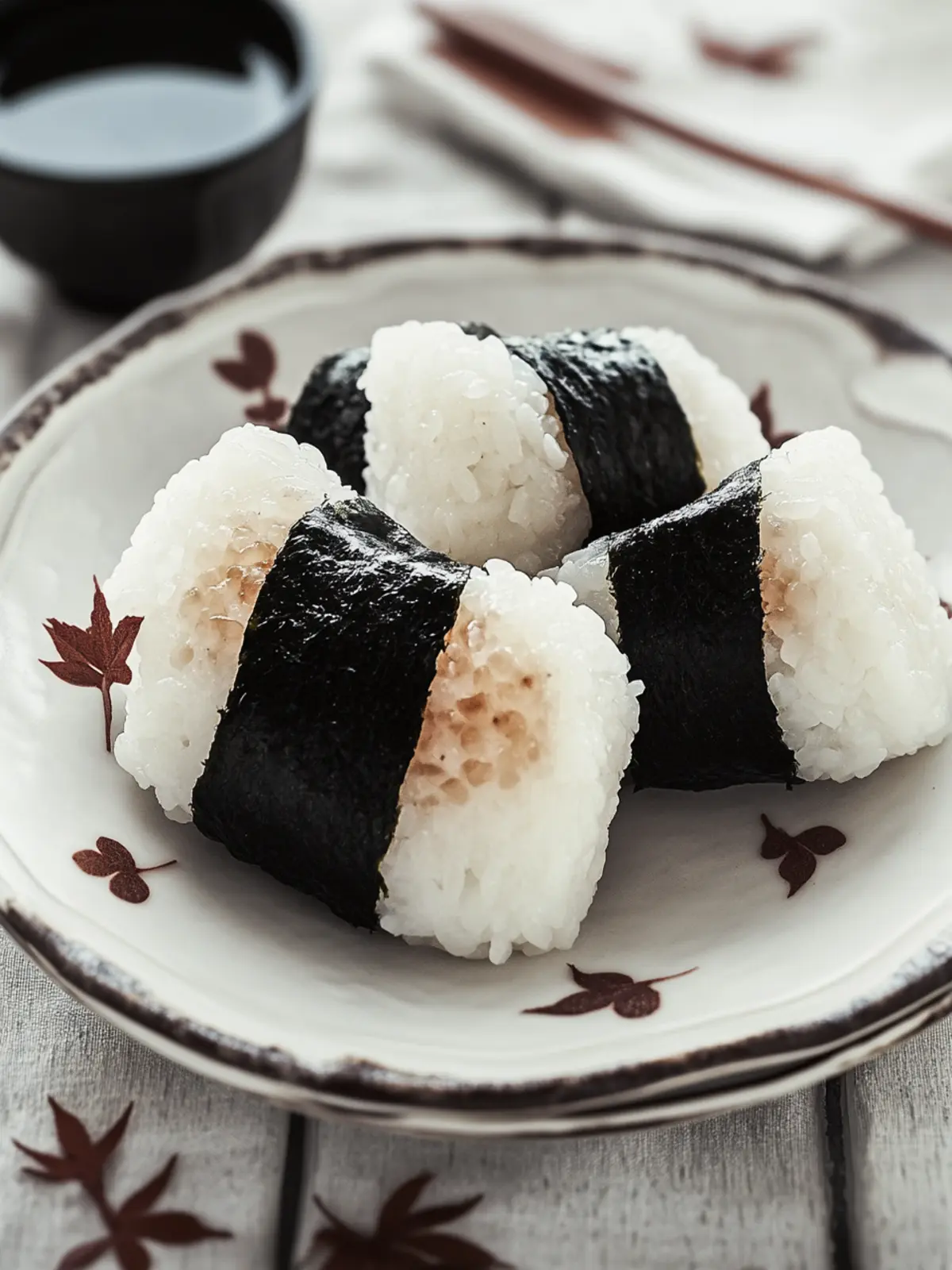
Savory Japanese Onigiri: Easy Rice Balls with Fun Fillings
Ingredients
Equipment
Method
- Rinse the Rice: Rinse the short-grain rice under cold water until clear.
- Cook the Rice: In a rice cooker, combine rinsed rice with water and cook as instructed.
- Rest and Fluff: Let the rice rest covered for about 10 minutes, then fluff gently.
- Prepare the Fillings: Flake or mix your chosen fillings ensuring they are bite-sized.
- Shape the Onigiri: Wet hands, sprinkle with salt, flatten rice, add filling, and shape.
- Form into Shape: Fold edges over filling and shape into a triangle or round ball.
- Wrap in Nori (Optional): Toast nori strips briefly and wrap them around onigiri.
- Garnish and Serve: Sprinkle sesame seeds or furikake on onigiri and serve warm or at room temperature.