
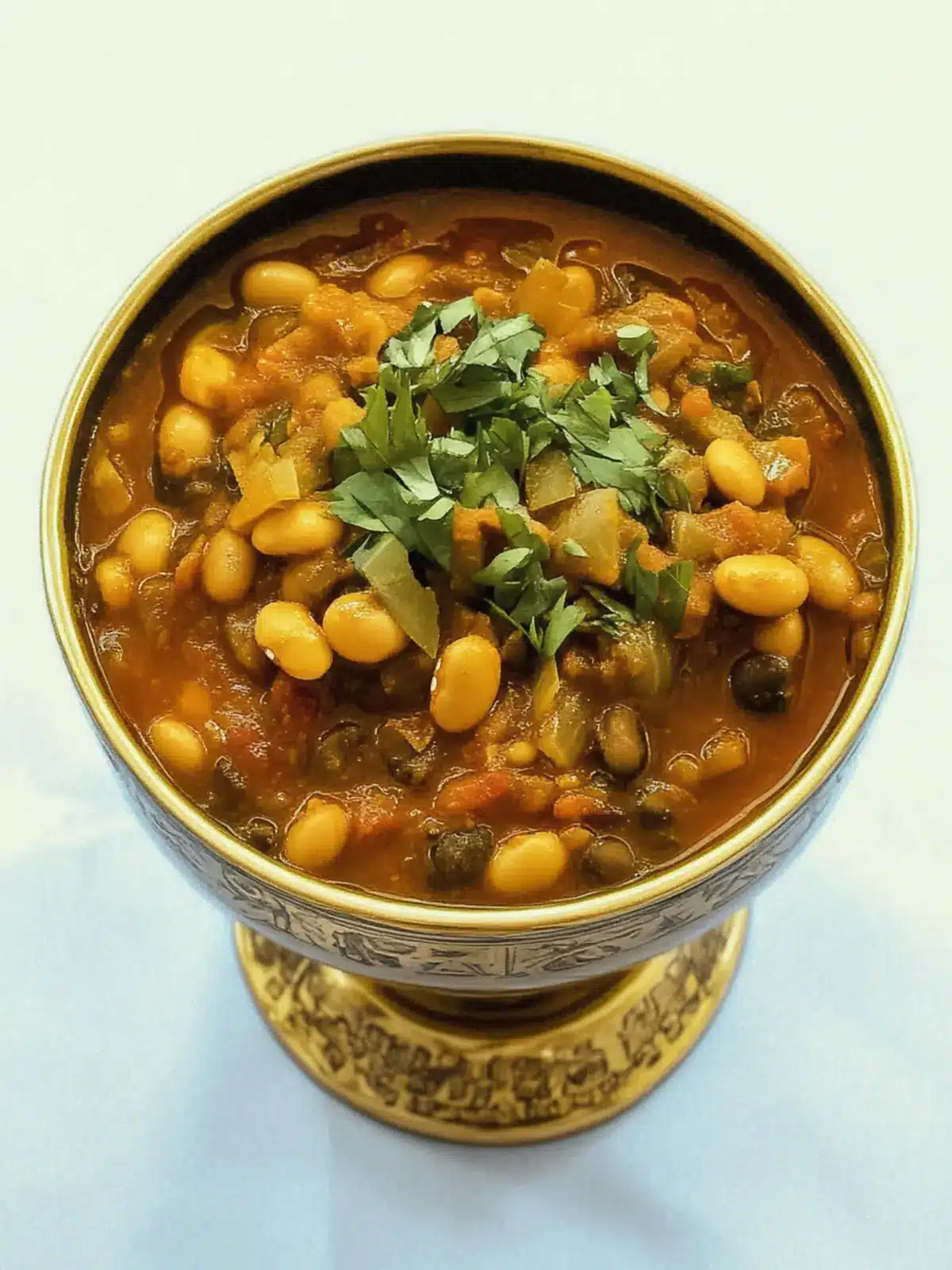
There’s something incredibly comforting about a warm bowl of stew, especially when it’s packed with nutrition and flavor. As the air turns crisp with the onset of autumn, I often crave dishes that not only warm my soul but also nourish my body. That’s when I turn to Nepali Kwati, a delightful mixed bean stew that brings both tradition and a burst of health to my dining table.
With its unique blend of nine sprouted legumes, this isn’t just any stew—it’s a celebration of rich flavors and textures. The earthy aroma of spices mingles with the wholesome goodness of sprouted beans, making it a satisfying choice for anyone looking to break free from the fast-food cycle. The versatility of Kwati means that you can tailor it to your taste—whether you’re using creamy ghee or a dash of mustard oil, every spoonful is a comforting embrace. Perfect alongside rice or flatbread, whipping up this nourishing dish is much simpler than you’d think, and it invites you to savor the good things in life. So, let’s dive into this hearty recipe that will elevate your weeknight dinners.

Why is Nepali Kwati so special?
Nourishing, High-Protein Delight: Kwati is brimming with nine varieties of sprouted legumes, making it a nutritional powerhouse perfect for vegetarians.
Simple Preparation: Just soak, sprout, and simmer—the process is approachable for any home cook looking to explore new flavors.
Rich, Comforting Taste: Earthy spices combined with creamy textures create a dish that is both hearty and satisfying, perfect for cozy nights.
Versatile Options: You can adjust the recipe by swapping beans or using ghee or mustard oil, tailoring it to your palate.
Seasonal Connection: Traditionally enjoyed during Janai Purnima, Kwati reflects the seasonal shift, making it a culturally rich choice for your table.
Crowd-Pleasing Meal: Whether you’re preparing a weeknight dinner or entertaining guests, this stew is bound to impress and nourish everyone gathered.
Ingredients for Nepali Kwati
-
For the Bean Mix
• Sprouted Bean Mix – a blend of black gram, mung beans, red kidney beans, chickpeas, soybeans, green peas, field peas, cowpeas, and black-eyed peas for an incredible source of protein and flavor. -
For Cooking Fat
• Ghee or Mustard Oil – adds richness and depth; substitute with vegetable oil for a lighter touch if desired. -
For Tempering
• Fenugreek Seeds – to enhance the dish with a warm, nutty flavor that complements the beans beautifully. -
For Base Flavor
• Onion – brings natural sweetness; sauté until golden to build the foundation of the stew.
• Garlic & Ginger – provide fragrant notes, elevating the overall taste of the Nepali Kwati. -
For Balance
• Tomatoes – contribute acidity and create a rich paste when cooked down, balancing the earthy flavors. -
For Spices
• Turmeric – adds a warm color and subtle earthiness.
• Cumin – lends a distinctive, aromatic flavor essential to the stew.
• Coriander – contributes a mild sweetness and complexity to the taste.
• Red Chilli Powder – adjust according to your heat preference, adding warmth to the dish. -
For Seasoning
• Salt – essential for enhancing all the flavors in the stew. -
For Hydration
• Water or Vegetable Stock – choose stock for extra flavor; it hydrates and combines with the beans. -
For Garnish
• Chopped Fresh Coriander – adds a pop of freshness and color to your Kwati before serving.
How to Make Nepali Kwati
-
Soak & Sprout: Begin by rinsing the bean mix thoroughly to remove any impurities. Soak the beans overnight in water, then drain. Place them in a breathable container and rinse daily for 2-3 days until they sprout.
-
Sauté the Spices: Heat 2 tablespoons of ghee or mustard oil in a large pot over medium heat. Add 1 teaspoon of fenugreek seeds and sauté until they darken slightly. Next, toss in 1 finely chopped onion and cook until golden brown, about 4-5 minutes.
-
Build the Flavor Base: Add 2 minced garlic cloves and 1-inch grated ginger to the pot, stirring until fragrant, roughly 1-2 minutes. Then, incorporate 2 chopped tomatoes, cooking them down until they soften, about 5-6 minutes.
-
Incorporate Spices: Sprinkle in 1 teaspoon each of turmeric, cumin, coriander, and adjust red chili powder according to taste. Cook for about 1 minute to toast the spices and release their essential oils.
-
Add the Beans: Gently fold in the sprouted beans, mixing them well with the aromatic spice base for 2-3 minutes, allowing them to absorb the flavors.
-
Simmer the Stew: Pour in 4 cups of water or vegetable stock, bringing it to a brisk boil. Once boiling, reduce heat to low, cover, and simmer for 35-40 minutes, or until the beans are tender.
-
Adjust Consistency: Taste and adjust seasoning with salt as needed, and if the stew is too thick, feel free to add some hot water to reach your desired consistency.
-
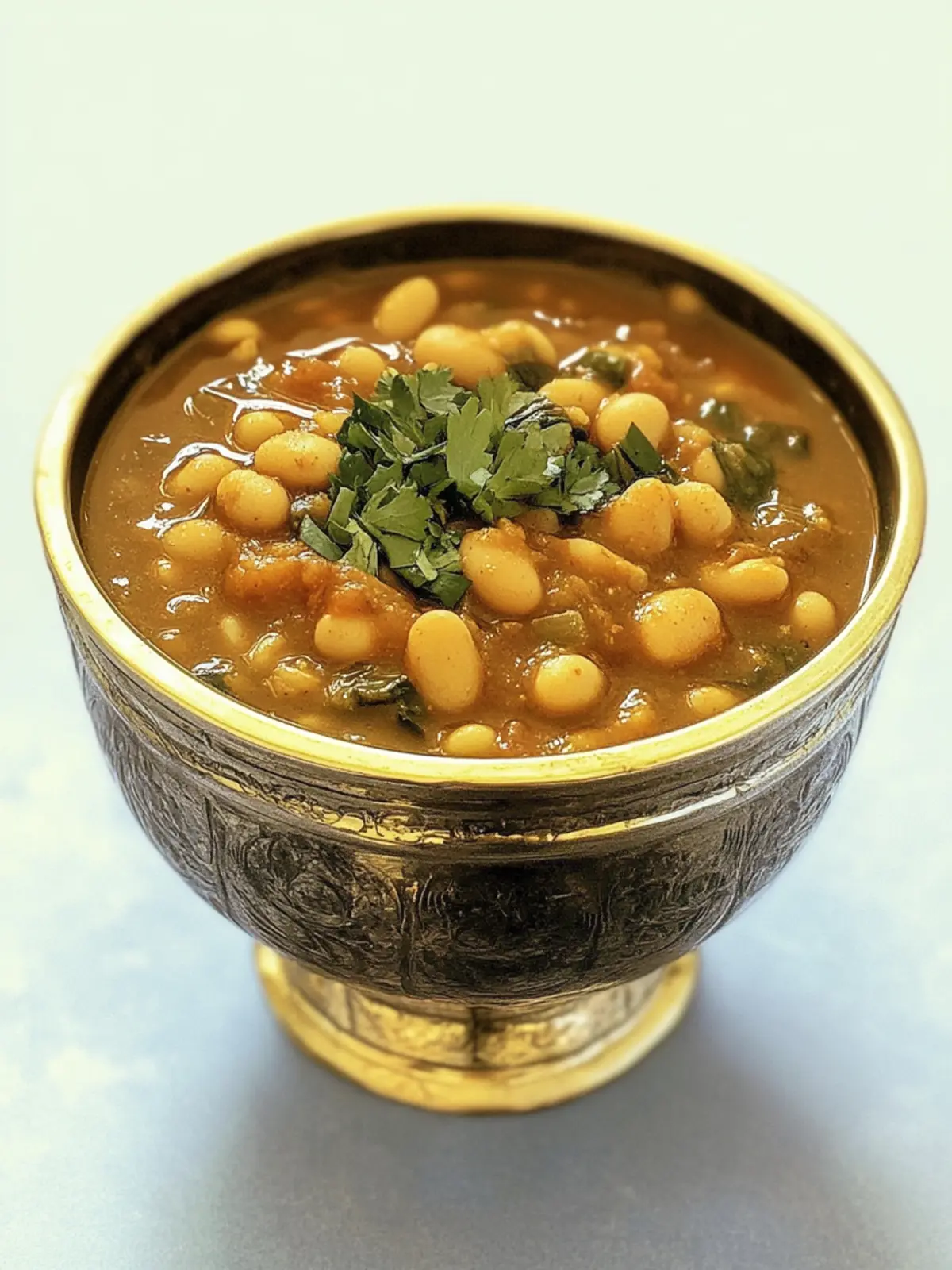
Serve Hot: Carefully ladle the Kwati into bowls, garnish with chopped fresh coriander, and serve alongside steamed rice or warm flatbread.
Optional: A wedge of lemon on the side can brighten up the flavors beautifully!
Exact quantities are listed in the recipe card below.
Expert Tips for Nepali Kwati
-
Rinsing Beans: Always rinse your beans thoroughly during sprouting to ensure optimal hygiene and prevent spoilage.
-
Take Your Time: Allow ample time for each step, especially sautéing spices and simmering the stew; rushing can lead to muted flavors in your Nepali Kwati.
-
Consistency Control: If your stew is too thick, you can add more hot water gradually to achieve the perfect texture; too thin? Simmer uncovered to evaporate excess water.
-
Seasonal Variations: Feel free to experiment with different beans based on availability to keep your dish exciting and seasonally relevant.
-
Garnish Wisely: Fresh coriander not only adds visual appeal but enhances freshness—don’t skip this simple touch before serving!
How to Store and Freeze Nepali Kwati
Fridge: Store leftover Nepali Kwati in an airtight container for up to 3 days. Allow it to cool completely before refrigerating to maintain freshness.
Freezer: For freezing, portion Kwati into freezer-safe containers, leaving space for expansion. It can be frozen for up to 3 months—perfect for meal prep!
Reheating: When ready to enjoy, thaw the stew overnight in the fridge before reheating. Use a saucepan over low heat, adding a splash of water if it has thickened.
Make-Ahead Tip: Consider making a double batch of Nepali Kwati; its flavors deepen and improve after a day in the fridge, making it a delightful make-ahead meal!
Make Ahead Options
These Nepali Kwati are perfect for meal prep enthusiasts! You can soak and sprout your beans up to 3 days in advance, ensuring they’re fresh and ready for cooking. Once sprouted, store them in the refrigerator to maintain their quality. You can also prepare the spice base (the sautéed onions, garlic, ginger, and tomatoes) up to 24 hours ahead of time; just refrigerate it in an airtight container. When you’re ready to finish the stew, simply combine the sprouted beans with the spice mixture, add water or vegetable stock, and simmer until tender. This approach saves time on busy weeknights while ensuring your Nepali Kwati is just as delicious!
Nepali Kwati Variations
Feel free to put your personal spin on this delicious stew and explore a world of flavors just waiting to be uncovered!
- Vegan Swap: Replace ghee or mustard oil with olive oil or coconut oil for a completely plant-based delight.
- Spice it Up: Add 1-2 green chillies for a fresh burst of heat, increasing the savory warmth of the dish.
- Seasonal Veggies: Toss in seasonal vegetables like spinach or kale towards the end for extra nutrition and a vibrant touch.
- Herb Infusion: Introduce jimbu or fresh dill for a unique aroma and flavor twist that brightens the overall taste profile.
- Creamy Texture: Stir in a dollop of coconut cream before serving for an extra layer of richness and a hint of tropical flair.
- Savory Toppings: Top with crispy fried onions or roasted peanuts for added crunch and a delightful flavor contrast.
- Bean Variety: Experiment with lentils or peas in place of traditional beans for different textures and nutritional benefits.
- Smoky Flavor: Incorporate a pinch of smoked paprika or a drop of liquid smoke for a delightful smoky depth in every bite.
Every variation you try ensures that each bowl of Nepali Kwati is a new experience, promising warmth and nourishment for your soul!
What to Serve with Nepali Kwati?
There’s something magical about pairing dishes that elevate a meal from ordinary to extraordinary.
- Steamed Rice: A classic companion, rice absorbs the rich flavors of Kwati, creating a satisfying and complete dish.
- Warm Flatbread: Soft, pillowy naan or roti is perfect for scooping up the hearty stew, adding an inviting texture to each bite.
- Spicy Pickle: A tangy, spicy achaar introduces a zesty contrast that complements the earthy notes of the Kwati, awakening the palate with each mouthful.
- Fresh Salad: A refreshing cucumber-tomato salad tossed with lime adds brightness and crunch, balancing the warmth of the stew beautifully.
- Lemon Wedges: A squeeze of fresh lemon at serving provides a zesty lift that enhances the complex flavors of your hearty meal.
- Chutney: A mint or coriander chutney adds coolness and flavor depth, making each spoonful of Kwati more vibrant and exciting.
- Yogurt Sauce: A cool and creamy yogurt sauce can balance the spices in Kwati, creating a delightful contrast that soothes the palate.
- Herbal Tea: A warm cup of ginger or mint tea rounds off the meal, providing a comforting finish that will leave you feeling rejuvenated.
- Spiced Dessert: Consider serving a light spiced dessert, like gulab jamun or kheer, to sweeten the experience and bring a satisfying end to your meal.
Nepali Kwati (Mixed Bean Stew) Recipe FAQs
What types of beans should I use for Nepali Kwati?
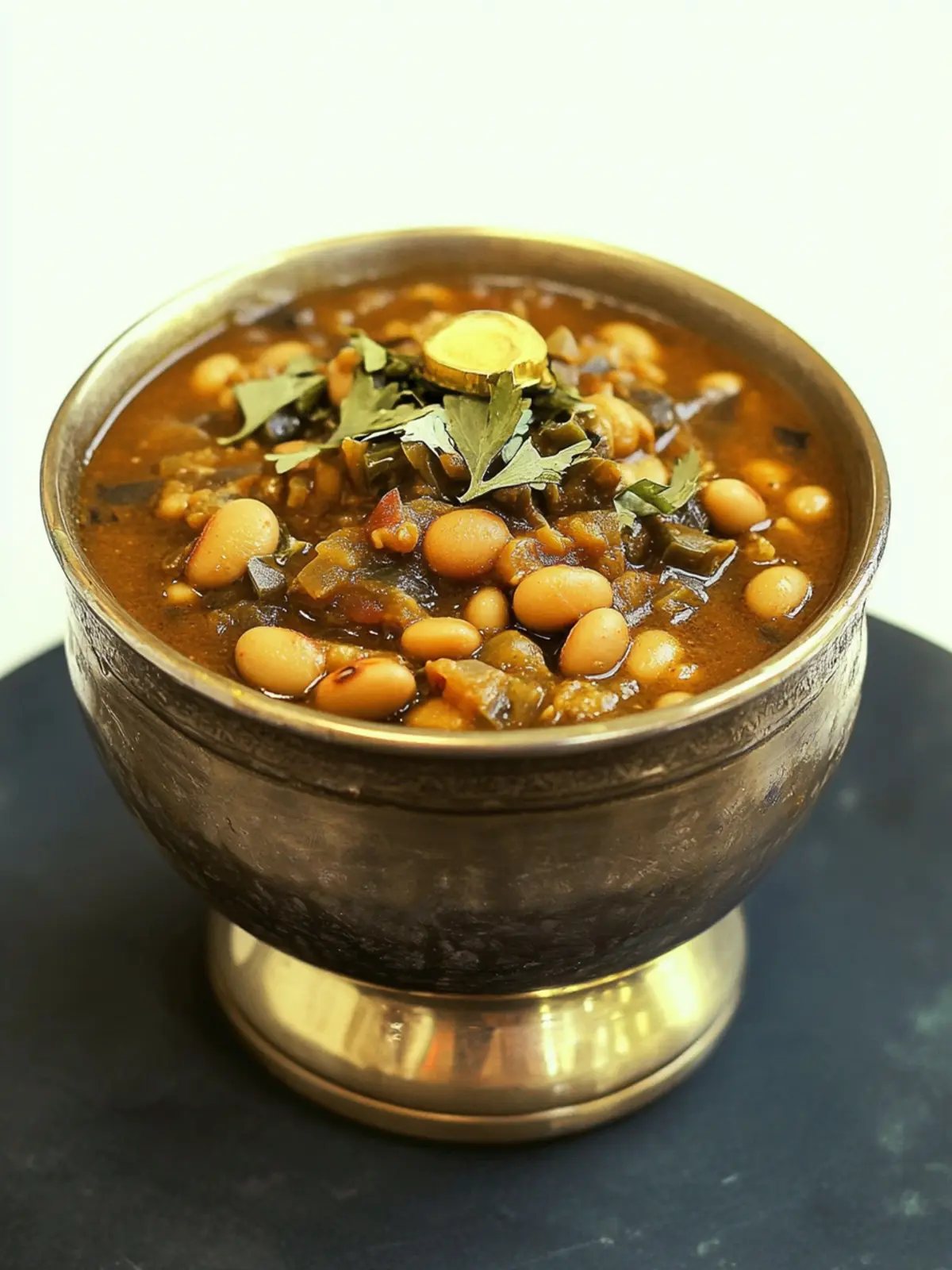
Absolutely! The classic recipe calls for a sprouted bean mix that includes black gram, mung beans, red kidney beans, chickpeas, soybeans, green peas, field peas, cowpeas, and black-eyed peas. This mix not only delivers a delightful flavor but it’s also packed with protein and nutrients. Feel free to swap out beans based on availability—kidney beans, for instance, can be an excellent substitute for black-eyed peas!
How do I store leftover Nepali Kwati?
Very! You can keep your Nepali Kwati in an airtight container in the refrigerator for up to 3 days. Make sure it cools completely before sealing to help maintain freshness and flavor.
Can I freeze Nepali Kwati? How?
Certainly! To freeze, portion your Kwati into freezer-safe containers, ensuring you leave some space for expansion as it freezes. It’s best used within 3 months for optimal flavor. When you’re ready to enjoy it again, thaw overnight in the fridge, then gently reheat in a saucepan with a splash of water, especially if it thickens during freezing.
What if my Kwati is too thick or too thin?
No worries! If your stew turns out too thick, simply add some hot water gradually while stirring to achieve your desired consistency. On the other hand, if it’s too thin, let it simmer uncovered for a bit; this will allow excess water to evaporate and thicken the stew naturally, enhancing its flavors.
Are there any dietary considerations with this recipe?
Very! This Nepali Kwati recipe is vegetarian and can easily be made vegan simply by using vegetable oil instead of ghee or mustard oil. Additionally, always be cautious if you have allergies to specific legumes. The sprouted bean mix may contain various types; it’s advisable to double-check which beans you’re using to ensure they’re safe for your dietary needs.
What should I serve with Nepali Kwati?
I often serve Nepali Kwati hot with steaming rice or soft flatbread for a fulfilling meal. If you’d like to add a touch of brightness, a wedge of lemon on the side can elevate the flavors beautifully!
Nourishing Nepali Kwati: Hearty Mixed Bean Stew Recipe
Ingredients
Equipment
Method
- Soak & Sprout: Rinse the bean mix, soak overnight, drain, and rinse daily until sprouted.
- Sauté the Spices: Heat ghee or mustard oil, sauté fenugreek seeds until dark, then add onion until golden brown.
- Build the Flavor Base: Add garlic and ginger, stirring until fragrant, then tomatoes until softened.
- Incorporate Spices: Add turmeric, cumin, coriander, and red chili powder, cooking for about a minute.
- Add the Beans: Fold in sprouted beans, mixing with spices for 2-3 minutes.
- Simmer the Stew: Pour in water or vegetable stock, bring to boil, then simmer covered for 35-40 minutes.
- Adjust Consistency: Taste and add salt; adjust thickness with hot water if necessary.
- Serve Hot: Ladle into bowls, garnish with coriander, and serve with rice or flatbread.