
The vibrant aroma of tamarind and spices wafting through my kitchen instantly transports me to my grandmother’s home, where every bowl of rasam told a story of tradition and love. This classic South Indian rasam, with its zesty tamarind base and medley of spices, is the ultimate comfort food, perfect for those moments when you crave something both invigorating and soothing. Whether I’m using it as a warming soup or pouring it over steaming rice, the unique balance of sour, spicy, and savory flavors never fails to awaken my palate and warm my heart.
As the chill of evening sets in, there’s nothing quite like ladling a rich bowl of this easy-to-make, gluten-free, vegetarian delight. Plus, it comes together so quickly; you’ll have a bowl of this revitalizing soup ready in no time. Join me as I share my cherished version of rasam that will not only bring a taste of India to your table but also reignite your passion for homemade meals, free from the monotony of fast food. Let’s dive into this delightful recipe together!
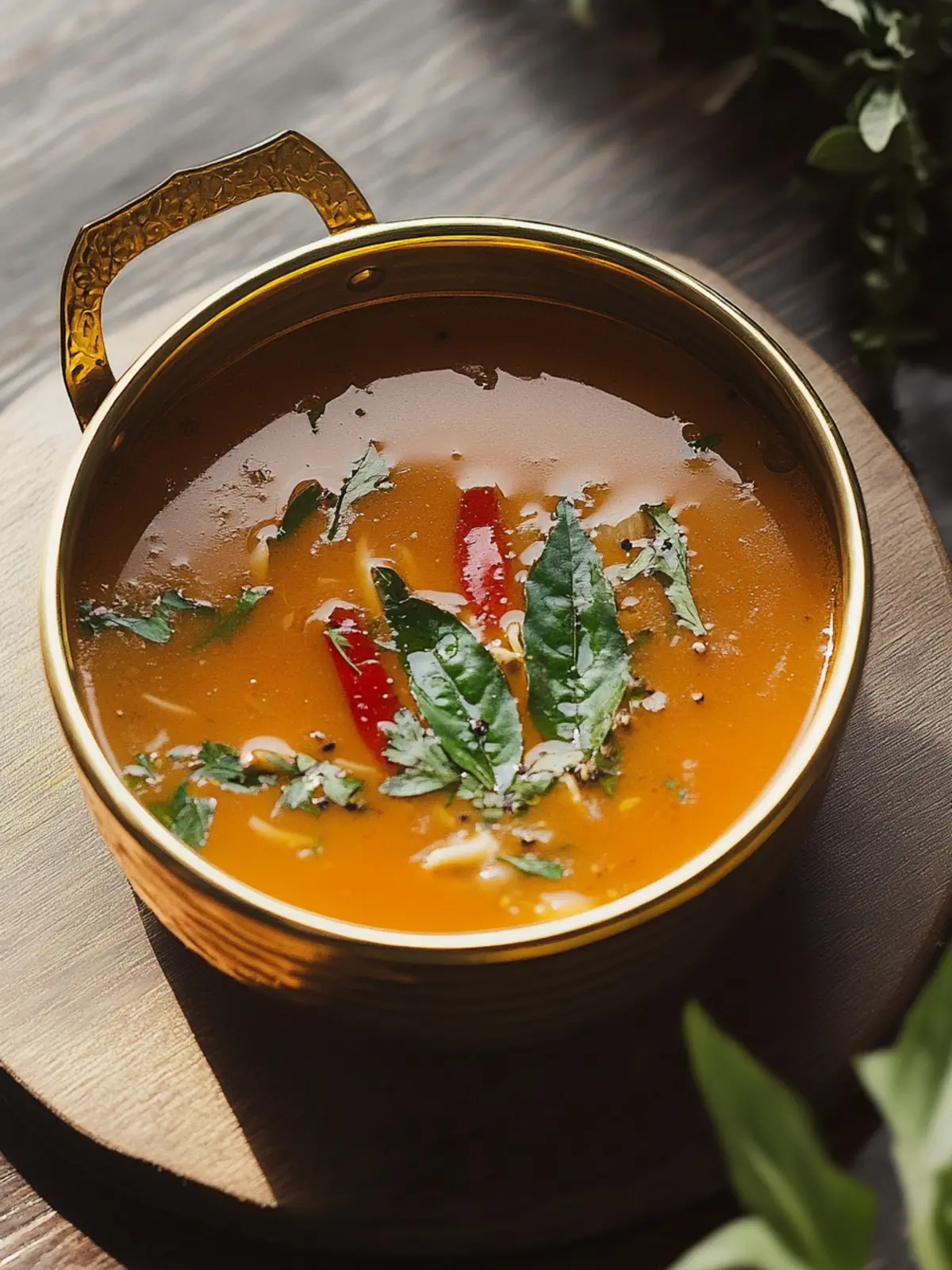
Why is Indian Rasam so popular?
Simplicity at its core: This easy-to-follow recipe requires minimal ingredients, making it accessible for any home cook.
Aromatic spices: The blend of tamarind, tomatoes, and spices creates an intoxicating aroma that fills your kitchen with warmth.
Health-conscious choice: It’s naturally gluten-free and vegetarian, perfect for those with dietary restrictions.
Versatile dish: Whether enjoyed as a soup or over rice, it adapts to your meal preferences effortlessly.
Quick to prepare: In less than half an hour, you can serve this rejuvenating dish, making it a perfect weeknight meal.
Experience the joy of homemade meals again with this impactful recipe that elevates your home cooking and satisfies those cravings!
Indian Rasam Ingredients
• Classic flavors await!
For the Soup Base
- Tamarind – Provides the signature tartness; substitute with tamarind paste mixed in water.
- Tomato – Adds sweetness and depth; use any ripe tomato or canned tomatoes as a substitute.
- Toor Dal (Yellow Split Pigeon Peas) – Gives the soup body and texture; can be replaced with red lentils for a different flavor.
- Water – Base for the soup; adjust for desired thickness.
- Rasam Powder – A pre-mixed spice blend providing essential flavor; use a homemade spice mix if unavailable.
- Turmeric Powder – Offers color and earthy flavor; no direct substitute; omit if unavailable.
For the Spices
- Black Peppercorns – Adds heat; can use white pepper instead.
- Cumin Seeds – Provides aromatic quality; ground cumin may be substituted if whole seeds aren’t available.
- Mustard Seeds – For tempering, adds crunch and flavor; could be omitted for a milder taste.
- Dried Red Chilies – Contributes heat; adjust quantity based on spice preference; fresh chilies can also be used.
- Curry Leaves – Enhances aroma and flavor; omit or use a bay leaf if unavailable.
For the Flavor Enhancers
- Garlic – Adds depth of flavor; use garlic powder or omit if sensitive.
- Ghee/Vegetable Oil – For tempering, provides richness; any cooking oil can be used.
- Salt – Balances flavor as needed; adjust to taste.
Dive into this heartfelt recipe for Indian rasam (spicy tamarind soup) and relish the essence of home-cooked goodness!
How to Make Indian Rasam
-
Soak tamarind in warm water for about 10 minutes, squeezing it gently to extract the juice. If you’re using tamarind paste, simply mix it with water until it dissolves.
-
Combine the tamarind juice with chopped tomato, turmeric, rasam powder, and salt in a medium pot. Simmer gently for 10 minutes, allowing the tomato to soften and the flavors to meld beautifully.
-
Mix cooked and mashed toor dal with a splash of water in a separate bowl until you achieve a smooth consistency—this adds body to your soup.
-
Crush black peppercorns and cumin seeds coarsely using a mortar and pestle or a spice grinder. The aroma that’s released will ignite your senses!
-
Stir the crushed spices and the dal mixture into the simmering pot, bringing everything to a gentle boil. Reduce heat and simmer for another 5-7 minutes, encouraging the flavors to blend together.
-
Heat ghee or vegetable oil in a separate pan. Once hot, add mustard seeds and wait for them to crackle, followed by dried red chilies, crushed garlic, and curry leaves. Sauté until fragrant.
-
Pour the tempering mixture over the simmering rasam, stirring gently. Let it simmer for an additional 2 minutes, allowing those marvelous aromas to infuse the soup.
-
Garnish with freshly chopped coriander, and serve hot with rice or alone to enjoy the zesty flavors.
Optional: Serve with a squeeze of fresh lemon juice for an extra tang!
Exact quantities are listed in the recipe card below.
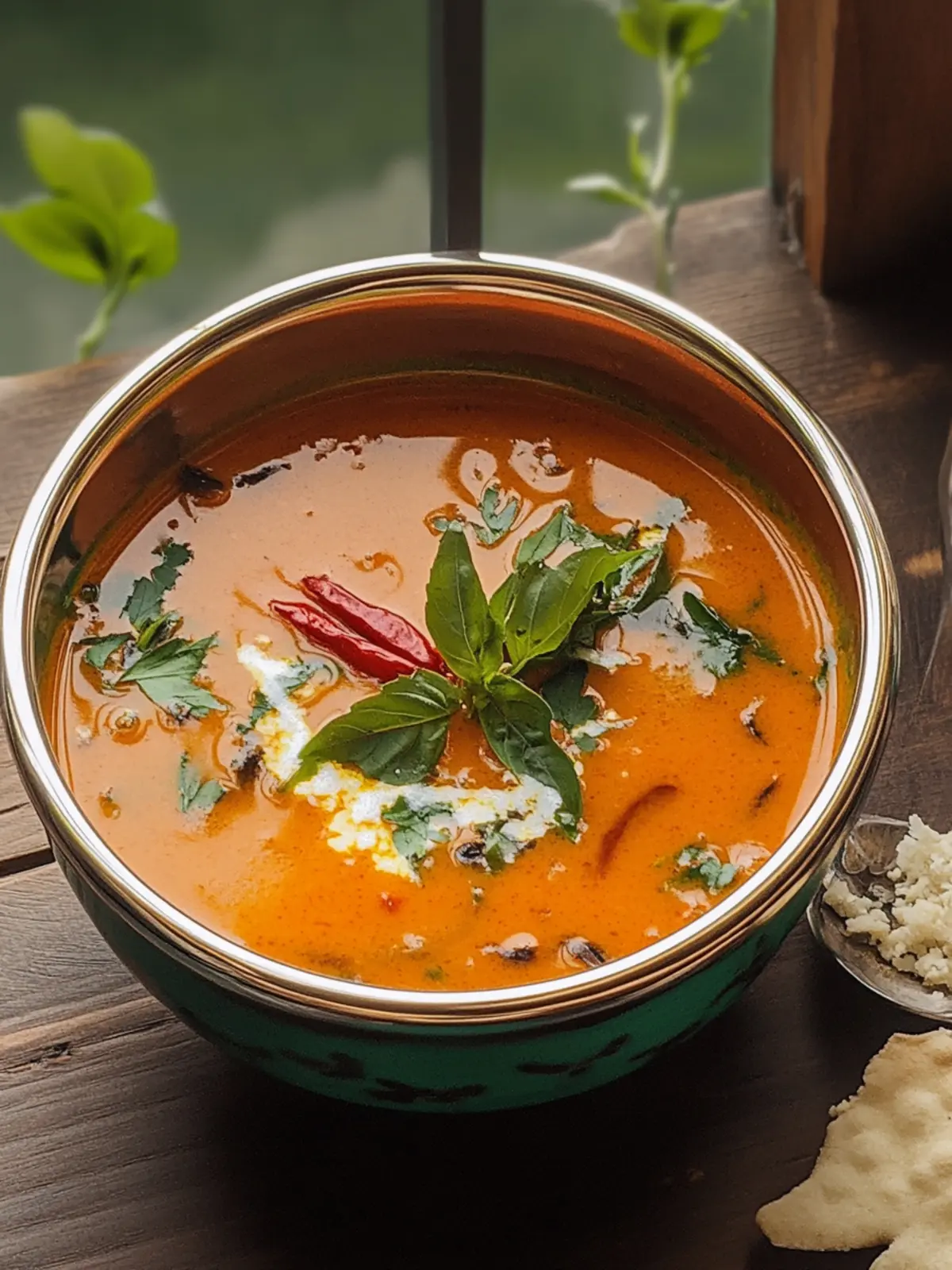
Indian Rasam Variations & Substitutions
Feel free to tweak this recipe to suit your taste and dietary needs, creating your own unique twist on this beloved dish!
- Dairy-Free: Substitute ghee with coconut oil or a dairy-free alternative to keep it smooth and rich without dairy.
- Extra Veggies: Add diced carrots or spinach to boost the nutritional profile and add a pop of color.
- Heat Boost: Increase the number of dried red chilies or incorporate a fresh green chili for an added kick of spice.
- Herbal Twist: Stir in fresh mint or cilantro towards the end for a refreshing herbal note that brighten the flavors.
- Lentil Swap: Use masoor dal or moong dal in place of toor dal for different textures and flavors, making it uniquely yours.
- Coconut Creamy: For a creamy version, add a splash of coconut milk or cream, giving your rasam a rich, indulgent twist.
- Sweet Surprise: Incorporate a small amount of jaggery to balance out the tartness of tamarind, enhancing the dish’s complexity.
- Quick Take: When short on time, opt for store-bought rasam powder or premade tamarind paste for a quick yet flavorful base.
Experiment with these variations to make every bowl of Indian rasam your own!
How to Store and Freeze Indian Rasam
- Fridge: Store leftover Indian rasam in an airtight container in the refrigerator for up to 3 days to keep its vibrant flavors intact.
- Freezer: For longer storage, place the rasam in freezer-safe containers for up to 1 month. Ensure it’s well sealed to avoid freezer burn.
- Reheating: When ready to enjoy, reheat gently on the stovetop or in the microwave until warmed through, adding a splash of water if it has thickened.
- Serving Tips: Freshen up the flavors by garnishing with coriander right before serving, and enjoy it hot with rice for a comforting meal.
Make Ahead Options
Preparing Indian Rasam ahead of time is a fantastic strategy for busy weeknights! You can soak and prepare the tamarind juice up to 24 hours in advance and refrigerate it, ensuring it’s ready to infuse your soup with its tartness. Additionally, you can chop the tomatoes and mix the rasam powder with the other dry spices up to 3 days ahead, storing them in an airtight container to maintain their freshness. When you’re ready to enjoy this zesty tamarind soup, simply combine the prepped ingredients in a pot as directed, adjust the seasoning, and finish with the aromatic tempering. This way, your rasam will be just as delicious as if made fresh!
What to Serve with Classic Rasam?
Enhance your meal experience with delightful sides that beautifully complement the zesty flavors of rasam.
-
Steamed Rice: A classic pairing, the fluffy grains soak up the tangy soup, creating a perfect harmony of flavors.
-
Crispy Papadam: This crunchy lentil cracker adds a delightful texture contrast, making each bite exciting and satisfying.
-
Vegetable Sambar: A nutty, mildly spiced dish, sambar brings depth and additional warmth to your meal experience.
-
Cucumber Raita: Cool and creamy, raita balances the heat of the rasam, providing a refreshing palate cleanser.
-
Spicy Pickles: Adding a dollop of pickles elevates the taste, bringing sharp bites that dance perfectly with the soup’s flavors.
-
Fresh Coriander Salad: A bright and zesty salad bolstered by fresh lime juice enhances the overall flavor experience of your meal.
Each pairing offers a unique way to celebrate the vibrant characteristics of Indian rasam, leading to a meal that is both comforting and exciting.
Expert Tips for Indian Rasam
- Use Fresh Tamarind: Ensure your tamarind is fully softened to extract maximum flavor; fresh tamarind elevates the taste of Indian rasam significantly.
- Spice Level Control: Adjust black pepper and dried red chilies according to your spice preference; start with less if you’re unsure and add gradually.
- Perfect Consistency: For desired thickness, adjust the water amount. If it’s too thick, add a little more; if too thin, let it simmer longer.
- Flavor Enhancers: For an enhanced sweetness, add a pinch of jaggery; this balances the tartness from the tamarind beautifully.
- Garnish Wisely: Fresh coriander is essential for a burst of flavor; don’t skip it as it brightens the dish and adds freshness.
- Mistake to Avoid: Don’t rush the tempering process; allowing the spices to toast a bit will deepen the flavors and make your Indian rasam unforgettable.
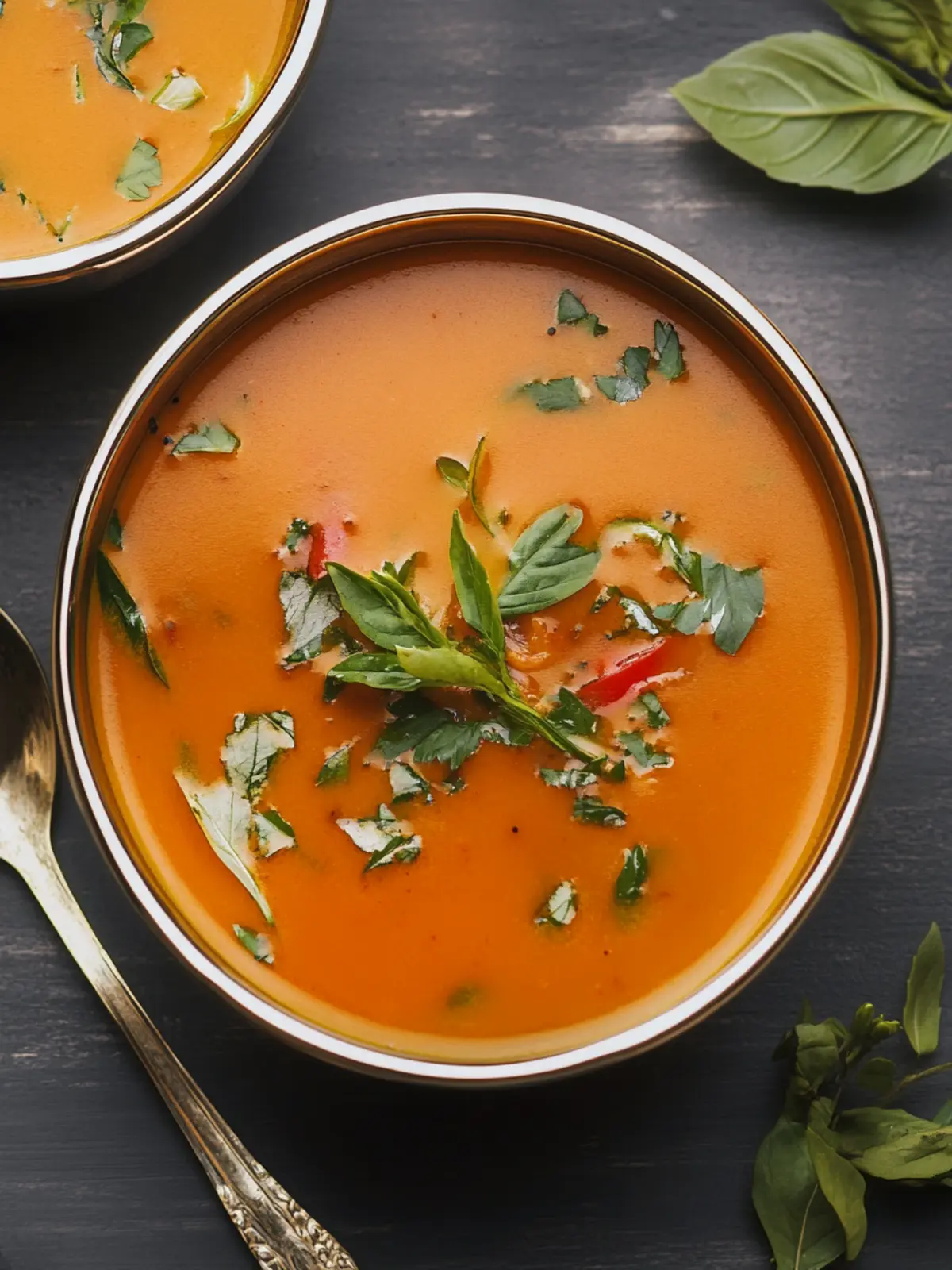
Indian Rasam Recipe FAQs
What type of tamarind should I use for Indian rasam?
Absolutely! For the best flavor, fresh tamarind is ideal. Soak it in warm water for about 10 minutes, then squeeze and strain to extract the juice. Alternatively, tamarind paste mixed with warm water works well and saves you some time.
How do I store leftovers of Indian rasam?
Very! Store leftover rasam in an airtight container in the refrigerator for up to 3 days. Make sure it’s sealed well to maintain freshness and flavor. When reheating, gently warm it on the stovetop or in the microwave until heated through.
Can I freeze Indian rasam?
Indeed! To freeze, pour the rasam into freezer-safe containers, leaving a bit of space at the top for expansion. It will stay fresh for up to 1 month. When you’re ready to enjoy it, simply thaw it in the refrigerator overnight and reheat gently, adding a splash of water to regain the desired consistency.
What should I do if my rasam is too thick?
No worries! If your rasam turns out too thick, simply add a little bit of water to thin it out while heating it up. Stir well to combine, and allow it to simmer for a few minutes to fully integrate the flavors.
Is Indian rasam suitable for those with dietary restrictions?
Absolutely! Indian rasam is naturally gluten-free, vegetarian, and lactose-free, making it a great choice for various dietary preferences. Just be cautious with the spices if you have any allergies; adjust them according to your taste and health needs.
What spices can I substitute if I don’t have all the ingredients?
Very good question! If you’re missing some spices like cumin or mustard seeds, you can substitute ground cumin for whole seeds, and feel free to adjust the heat levels based on your preference by adding less or more black pepper and red chilies. Creativity in the kitchen is always encouraged!
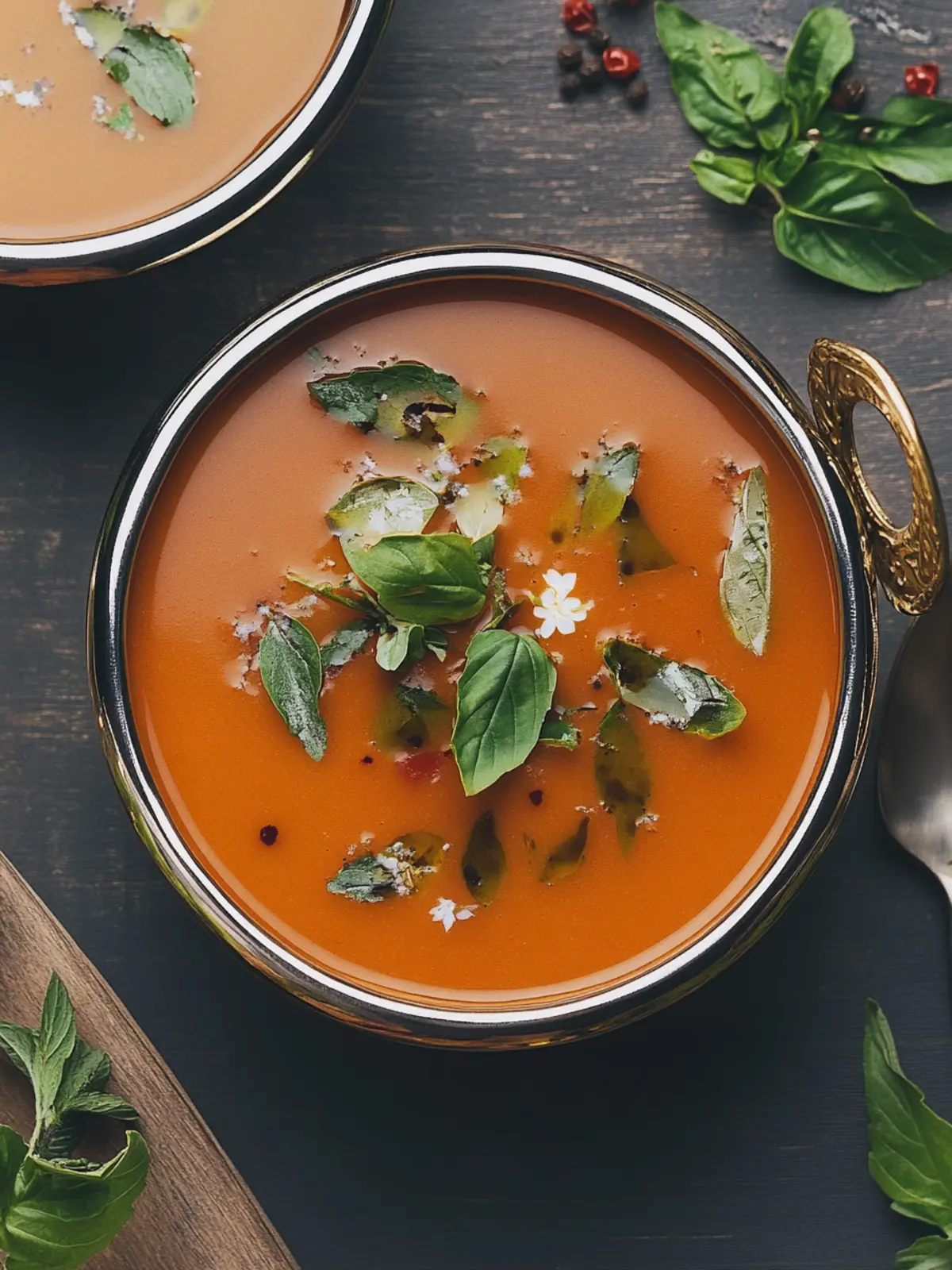
Zesty Indian Rasam: Comforting Spicy Tamarind Soup Recipe
Ingredients
Equipment
Method
- Soak tamarind in warm water for about 10 minutes, squeezing it gently to extract the juice.
- Combine tamarind juice with chopped tomato, turmeric, rasam powder, and salt in a medium pot. Simmer gently for 10 minutes.
- Mix cooked toor dal with a splash of water in a separate bowl until smooth.
- Crush black peppercorns and cumin seeds coarsely.
- Stir crushed spices and dal mixture into the simmering pot, bring to a gentle boil.
- Heat ghee or oil in a separate pan, add mustard seeds, then chilies, garlic, and curry leaves. Sauté until fragrant.
- Pour the tempering mixture over the rasam and let it simmer for an additional 2 minutes.
- Garnish with freshly chopped coriander, and serve hot, optionally with a squeeze of lemon juice.