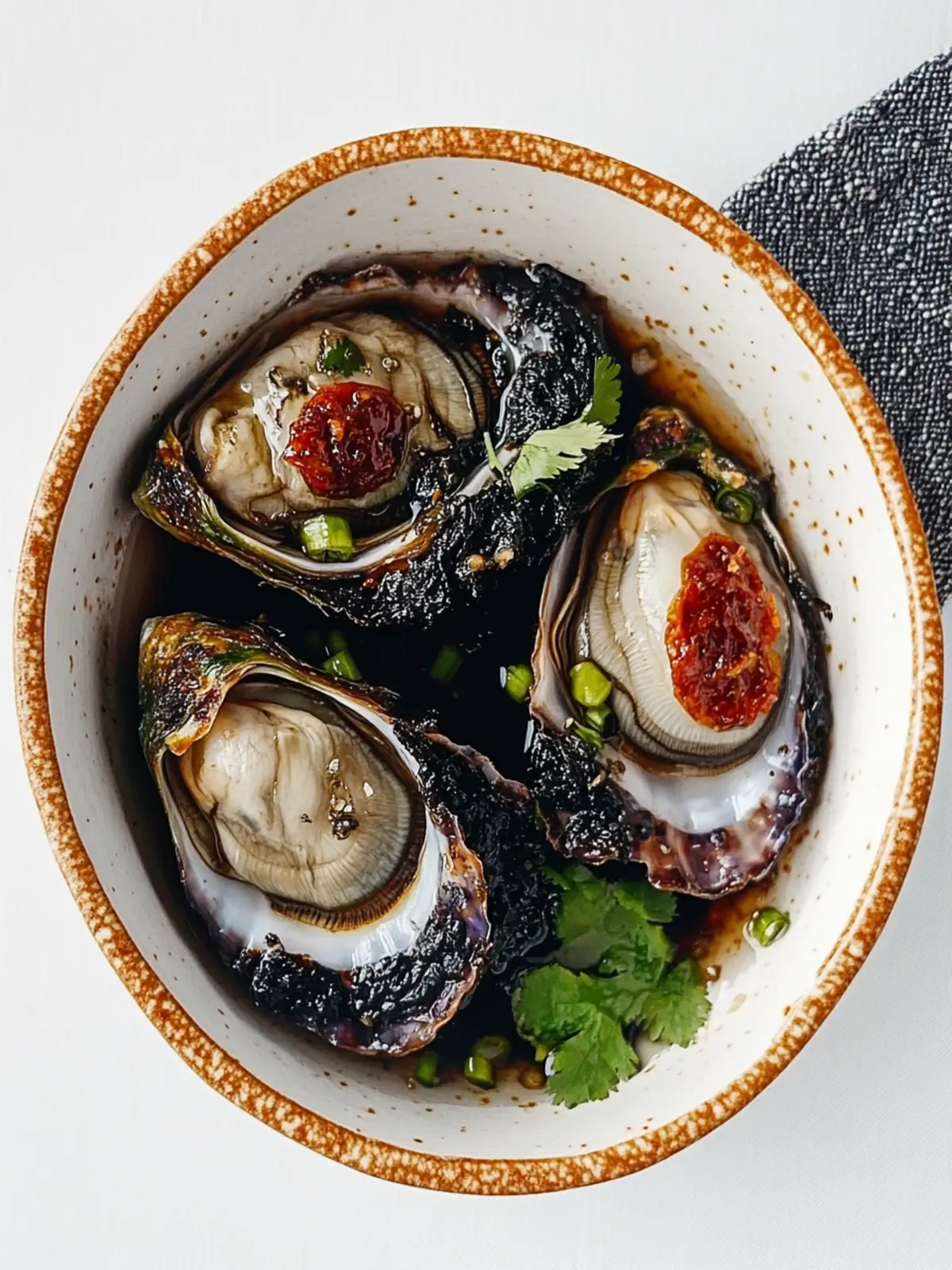
As the Lunar New Year approaches, my kitchen transforms into a haven of warmth and nostalgia, the air thick with the delightful aromas of tradition. It was in my grandmother’s bustling kitchen that I first discovered the magic of Dried Oyster and Black Moss (Ho See Fat Choy). This captivating dish, rich in umami and cultural significance, isn’t just a meal; it’s a symbol of prosperity and wealth. Each tender dried oyster and earthy strand of black moss brings a piece of my heritage to the table, making every bite feel like a celebration.
Whether you’re honoring family traditions or simply looking to elevate your festive gathering, this dish serves as an exquisite centerpiece that will impress your guests and ignite conversations about past celebrations. Perfect for those who are ready to break free from the mundane and embrace heartfelt home-cooked flavors, let’s dive into the delicious world of Ho See Fat Choy.

Why is Dried Oyster and Black Moss special?
Cultural Significance: This dish embodies prosperity, making it perfect for celebrations like Chinese New Year.
Delicious Umami: Each bite of tender dried oysters infused with a savory sauce creates an explosion of flavor.
Easy to Modify: Feel free to experiment with ingredients—substitute oysters with shrimp for a seafood twist!
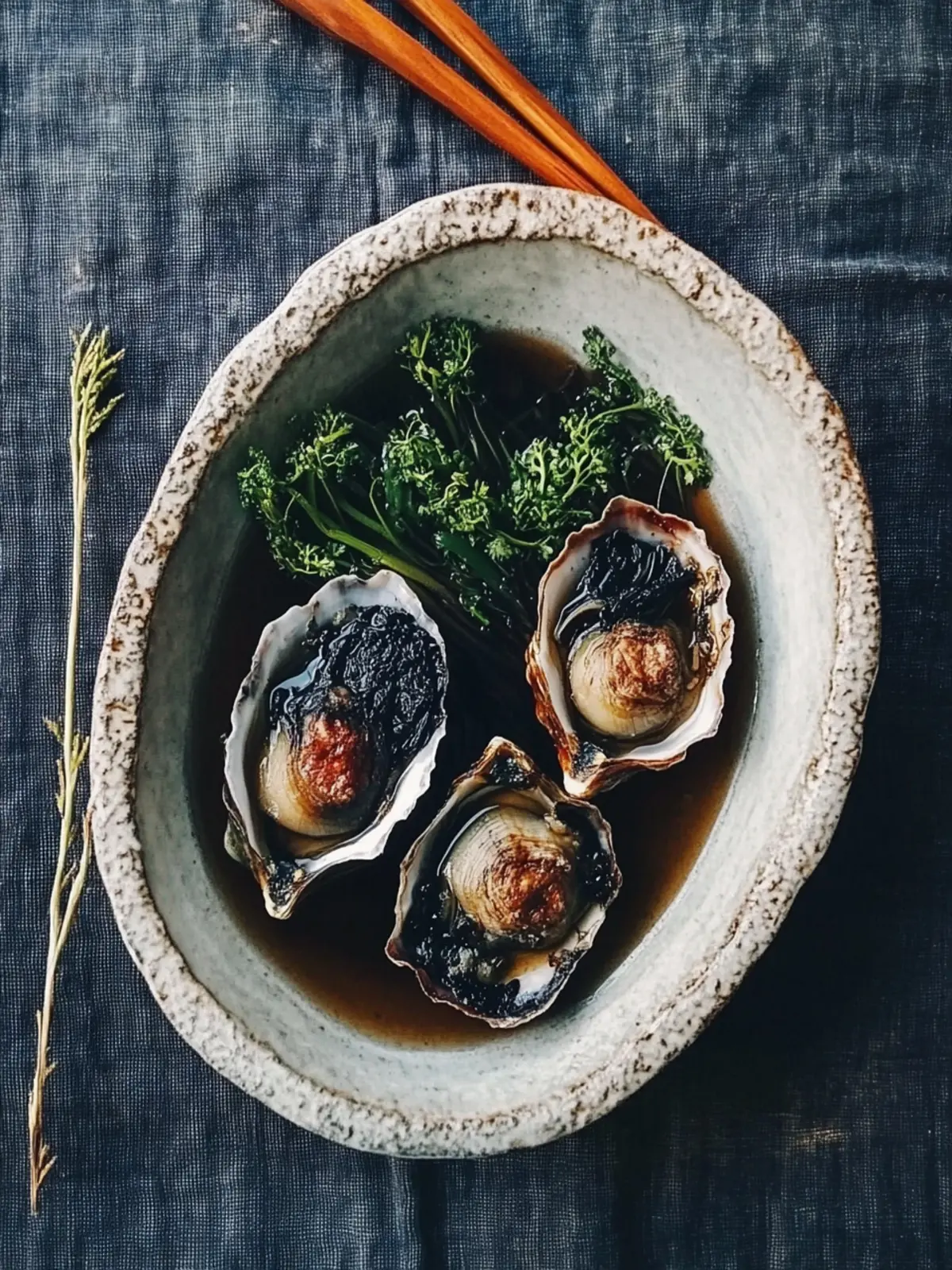
Crowd-Pleasing Appeal: Guests will be drawn not only to its enticing aroma but also to its stunning presentation on a bed of greens.
Quick Preparation: With minimal cooking time, this dish allows you to enjoy festive moments without being stuck in the kitchen.
Elevate your celebration with this delightful recipe, and check out our tips on how to enhance your meal with serving suggestions!
Dried Oyster and Black Moss Ingredients
• Here’s everything you need to create the wonderful Dried Oyster and Black Moss (Ho See Fat Choy) dish!
For the Base
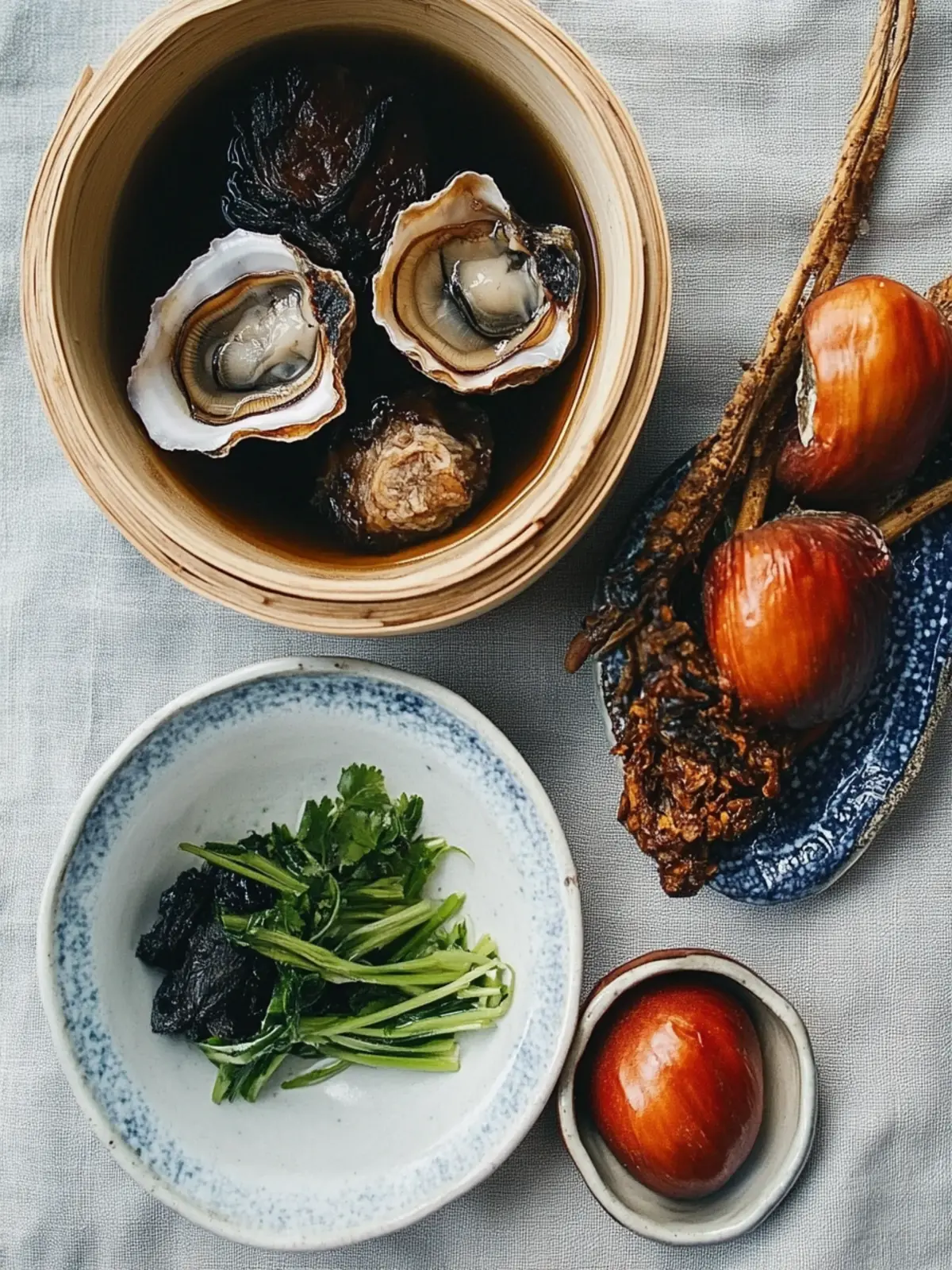
- Dried Oysters – Adds a rich umami flavor; perfect for elevating the dish.
- Dried Moss (Fat Choy) – Symbolizes prosperity; remember to rinse thoroughly to remove any dirt.
- Dried Shiitake Mushrooms – Optional for added depth; soak in hot water to rehydrate.
- Organic Chicken Base – Boosts savory notes; feel free to sub with chicken fat for extra richness.
- Canola or Vegetable Oil – Ideal for sautéing; any neutral oil works here.
- Ginger – Infuses warmth and aroma; fresh is best, but powdered can be a last-minute substitute.
- Scallions – Provides freshness and color; green onions make a great alternative.
- Shaoxing Wine – Adds a charming depth; dry sherry can work as a substitute.
- Chicken Stock – Forms the flavorful sauce base; vegetable stock is perfect for a non-meat option.
- Sugar, Soy Sauce, and Oyster Sauce – Balances and enhances the overall flavor; adjust to taste for the best results.
For Serving
- Baby Romaine or Iceberg Lettuce – Serves as a lovely base for presentation; any leafy greens will do!
Get ready to indulge in a dish that’s not just delicious, but also rich in tradition and culture!
How to Make Dried Oyster and Black Moss
-
Prepare Ingredients:
Soak dried oysters and fat choy in cold water for about 15 minutes, then rinse thoroughly to eliminate sand. Don’t forget to soak the dried shiitake mushrooms in hot water for at least 90 minutes, preferably overnight, to ensure they’re soft and flavorful. -
Cook Base:
In a pot, render chicken fat until crispy for a deeper flavor. If not using chicken fat, heat canola oil instead. Add the chicken base, minced ginger, and the white parts of scallions and sauté until fragrant, about 2-3 minutes. -
Combine:
Stir-fry the rehydrated mushrooms for about a minute. Then add the oysters and cook for another minute. Pour in the Shaoxing wine, followed by chicken stock, sugar, soy sauce, and oyster sauce, stirring everything to combine well. -
Simmer:
Gently fold in the fat choy, making sure it’s submerged in the sauce. Cover the pot and let it simmer on low heat for about 20 minutes, allowing the flavors to meld beautifully. -
Serve:
Prepare a serving plate with torn lettuce leaves as a base. Uncover the pot and reduce the sauce until it thickens slightly. Spoon the delightful mixture onto the lettuce, showcasing the oysters and mushrooms. Serve hot and enjoy!
Optional: Garnish with sliced scallions for an extra pop of color.
Exact quantities are listed in the recipe card below.
Expert Tips for Dried Oyster and Black Moss
- Rinse Thoroughly: Always rinse the dried oysters and black moss well before using to ensure no sandy bits remain in the final dish.
- Handle with Care: Gently stir fat choy to prevent breaking it; keeping it intact maintains the beautiful presentation and texture.
- Flavor Boost: For an even richer taste, consider rendering chicken fat before starting the dish to enhance the sauce’s depth.
- Perfect Texture: Make sure to soak shiitake mushrooms long enough for optimal rehydration; aim for a soft, succulent bite.
- Balance Flavors: Adjust sugar and sauces according to taste—different brands can have varying levels of saltiness or sweetness, so go with your preference.
These tips will help elevate your Dried Oyster and Black Moss (Ho See Fat Choy) to a cherished favorite at your table!
Make Ahead Options
Preparing the Dried Oyster and Black Moss (Ho See Fat Choy) ahead of time is a wonderful way to save precious moments during the festive cooking rush! You can soak and rinse the dried oysters and fat choy up to 24 hours in advance, then store them in the refrigerator in a sealed container. The shiitake mushrooms can also be soaked overnight for optimal rehydration. When you’re ready to cook, sauté the base ingredients and combine everything as directed. This dish retains its delightful flavors and textures, ensuring it’s just as delicious when finished fresh. Simply reduce the sauce just before serving to achieve that irresistibly thick consistency!
Dried Oyster and Black Moss Variations
Feel free to get creative with this cherished dish, adding your unique twist to delight your family and friends.
-
Seafood Swap: Substitute dried oysters with shrimp or scallops for a fresh seafood flavor. This variation retains the essence while offering a delightful change.
-
Vegetarian Delight: Replace chicken stock with vegetable stock and omit chicken fat for a plant-based version. The flavors remain dynamic and hearty, perfect for any diet.
-
Spicy Kick: Add a pinch of red pepper flakes or sliced fresh chili for a fiery twist. This will elevate the dish, adding warmth and excitement with every bite.
-
Mushroom Medley: Enhance the umami by mixing in a variety of mushrooms, like enoki or oyster mushrooms. Their distinct textures will create a delicious depth in the dish.
-
Coconut Creaminess: For a tropical flair, stir in a splash of coconut milk. This will give the dish a creamy richness and a unique flavor profile that surprises the palate.
-
Noodle Nest: Serve the Dried Oyster and Black Moss over a bed of stir-fried noodles for a comforting, complete meal. The noodles can soak up the savory sauce, making every bite irresistible.
-
Ginger Zing: Increase the amount of fresh ginger or add a hint of grated lemongrass for a fragrant touch. This will brighten the flavors, giving an aromatic lift.
-
Herb Infusion: Sprinkle in fresh cilantro or basil just before serving for a burst of freshness. These herbs will enhance the dish’s aromatic qualities, making it feel even more inviting.
Storage Tips for Dried Oyster and Black Moss
Fridge: Keep any leftovers in an airtight container in the refrigerator, and enjoy them within 2 days for optimal freshness.
Freezer: If you want to preserve the dish longer, you can freeze portions in an airtight container for up to 1 month. Thaw in the fridge before reheating.
Reheating: Gently reheat on the stovetop over low heat, adding a splash of water or chicken stock to maintain moisture and flavor.
Serving Suggestions: For serving, place the heated dish back on fresh lettuce to maintain presentation while ensuring the delightful textures of the Dried Oyster and Black Moss shine.
What to Serve with Dried Oyster and Black Moss (Ho See Fat Choy)?
Create a vibrant feast that captures the spirit of celebration while complementing the unique flavors of this auspicious dish.
- Steamed Jasmine Rice: The delicate fragrance and soft texture of rice perfectly soak up the savory sauce from the oysters, bringing harmony to each bite.
- Stir-Fried Snow Peas: Their crisp freshness adds a contrasting texture and a burst of color to your plate, enhancing the visual appeal of your meal. The slight sweetness balances the umami richness.
- Sesame Spinach Salad: This refreshing salad with a hint of sesame oil lightens the meal, providing a lush, earthy note that pairs beautifully with the oysters’ depth.
- Savory Turnip Cake: Serve this Cantonese classic alongside; its dense, herbal flavors meld nicely with the umami profile of the main dish without overshadowing it.
- Braised Bok Choy: Offering a gentle crunch and peppery taste, bok choy makes for a pleasant side. Its simplicity allows the complexity of Ho See Fat Choy to shine.
- Crispy Spring Rolls: They provide a delightful crunch that contrasts the tender textures of the oysters—perfect for snacking and sharing during the celebration.
- Chrysanthemum Tea: This floral beverage is lightly fragrant and soothing, making it an excellent pairing that complements the dish’s richness.
- Mango Pudding: End the meal on a sweet note. This creamy dessert introduces a bright, fruity flavor that cleanses the palate after the umami experience.
Each pairing elevates the dining experience, weaving a tapestry of flavors that promises a memorable celebration!
Dried Oyster and Black Moss (Ho See Fat Choy) Recipe FAQs
How do I select ripe ingredients for Dried Oyster and Black Moss?
Absolutely! When choosing dried oysters, look for ones that are clean and free from any dark spots or strong odors. They should have a pleasant aroma, reminiscent of the sea. For black moss (fat choy), select strands that are dark and pliable. Avoid any that appear dry or too brittle, as these might lack flavor and texture.
How should I store leftovers from Dried Oyster and Black Moss?
When it comes to storage, you’ll want to transfer any leftovers into an airtight container and refrigerate them. They can be enjoyed within 2 days. Just gently reheat on the stovetop, adding a splash of chicken stock or water to ensure they stay succulent.
Can I freeze Dried Oyster and Black Moss?
Certainly! If you want to extend the life of your dish, you can freeze portions in an airtight container for up to 1 month. To freeze, let the dish cool completely before placing it in the freezer. When ready to enjoy again, simply thaw it in the fridge overnight and reheat gently over low heat, adding moisture if needed.
What should I do if the fat choy breaks during cooking?
No worries at all! If you find that your fat choy breaks while stirring, it’s a common occurrence. Just be gentle when folding it into the sauce, ensuring you keep it submerged without vigorous stirring. Additionally, try adding it later in the cooking process, giving it just enough time to heat through while minimizing handling.
Are there any dietary considerations with Dried Oyster and Black Moss?
Yes, definitely! If you’re serving this dish to guests with allergies, be mindful that it contains shellfish (oysters). For those following vegetarian or vegan diets, simply use vegetable stock and omit the chicken fat. This will still provide a lovely umami flavor without compromising dietary restrictions.
How can I adjust the flavors in my Dried Oyster and Black Moss dish?
Very! Flavors can be easily adjusted based on your taste preferences. If you find the dish too salty, consider adding a bit more sugar to balance it out. On the other hand, if you prefer additional depth, a splash more of Shaoxing wine or some fresh ginger can enhance the overall profile significantly. Always taste as you go; that’s the beauty of home cooking!
Dried Oyster and Black Moss Ho See Fat Choy for Abundant Feasts
Ingredients
Equipment
Method
- Soak dried oysters and fat choy in cold water for about 15 minutes, then rinse thoroughly to eliminate sand. Soak the dried shiitake mushrooms in hot water for at least 90 minutes, preferably overnight.
- In a pot, render chicken fat until crispy for a deeper flavor. If not using chicken fat, heat canola oil instead. Add the chicken base, minced ginger, and the white parts of scallions and sauté until fragrant, about 2-3 minutes.
- Stir-fry the rehydrated mushrooms for about a minute. Then add the oysters and cook for another minute. Pour in the Shaoxing wine, followed by chicken stock, sugar, soy sauce, and oyster sauce, stirring everything to combine well.
- Gently fold in the fat choy, making sure it’s submerged in the sauce. Cover the pot and let it simmer on low heat for about 20 minutes.
- Prepare a serving plate with torn lettuce leaves as a base. Uncover the pot and reduce the sauce until it thickens slightly. Spoon the mixture onto the lettuce, showcasing the oysters and mushrooms. Serve hot and enjoy!