
As the Lunar New Year approaches, my kitchen fills with the rich, savory scents of tradition. One dish always holds a special place on our family table: Haoshi Facai—stewed facai with dried oysters, dried mushrooms, and crisp lettuce. The amalgamation of flavors in this Cantonese classic is both comforting and celebratory, capturing the essence of family gatherings.
Every bite brings a delightful chewiness from the rehydrated facai and the umami-packed dried oysters—a charming nod to prosperity and good fortune in Chinese culture. Preparing this dish is not just about the ingredients; it’s about weaving stories of our past and hopes for the future into every step. Best of all, it comes together effortlessly, making it a perfect choice for both novice cooks and seasoned chefs looking to add a traditional touch to their festive menu. Let’s dive into crafting this special dish that brightens any New Year celebration!

Why is Haoshi Facai a must-try dish?
Tradition and Flavor: Haoshi Facai is a beloved Cantonese dish that brings together rich flavors and cultural significance, perfect for celebrating the Lunar New Year.
Effortless Preparation: With just a few simple steps, you’ll have a delicious, festive meal that requires minimal culinary skills.
Nutrient-Rich Ingredients: Packed with dried oysters, mushrooms, and lettuce, this recipe offers a delightful combination of textures and a boost of nutrition.
Crowd-Pleaser: It’s a dish that appeals to everyone at the table, making it an ideal addition to your holiday spread.
Versatile Enjoyment: While this dish shines during celebrations, it’s delicious enough for any occasion! Enjoy it with rice or as a side, elevating any meal.
Haoshi Facai Ingredients
• For the Stew
- Dried Oysters – Essential for their rich, umami flavor, symbolizing prosperity in Cantonese culture.
- Dried Mushrooms – Provide a deep earthy taste; shiitake mushrooms work wonderfully for extra richness.
- Facai (Black Moss) – Known for its texture and important cultural significance, it represents prosperity and wealth during the Lunar New Year.
- Vegetable Broth – Enhances the flavor of the stew; you can use homemade or store-bought for convenience.
- Soy Sauce – Adds a savory depth; opt for low-sodium if you’re watching your salt intake.
- Sesame Oil – Infuses a lovely fragrance; just a drizzle can elevate the dish’s aroma.
- Ginger – Fresh ginger adds warmth; use it to mitigate any fishy taste from the dried oysters.
• For the Vegetables
- Lettuce – Crisp and refreshing, it balances the richness of the stew when added just before serving.
- Scallions – Chopped as a garnish, they add a fresh pop of flavor and vibrant color to your plate.
This Haoshi Facai will be the highlight of your Lunar New Year feast, marrying tradition with crowd-pleasing flavors!
How to Make Haoshi Facai
-
Soak the Ingredients: Start by soaking the dried oysters and mushrooms in warm water for about 30 minutes until they are tender and rehydrated. Drain and set aside, keeping the soaking liquid for later use.
-
Prepare the Stew Base: In a medium-sized pot, combine the soaked oysters, mushrooms, facai, vegetable broth, and the reserved soaking liquid. Add soy sauce, sesame oil, and freshly grated ginger to infuse the broth with flavor.
-
Simmer Gently: Bring the mixture to a gentle boil, then reduce the heat to low. Let it simmer for about 25-30 minutes, allowing the flavors to meld beautifully. Keep an eye on the liquid, adding more broth if needed.
-
Add Lettuce: Just before serving, incorporate the lettuce into the stew, allowing it to wilt slightly. This adds a lovely freshness and balances the rich flavors of the dish.
-
Serve with Garnish: Ladle the Haoshi Facai into bowls and garnish with chopped scallions for a burst of color and flavor. Enjoy this dish warm alongside steamed rice or as part of your festive spread.
Optional: Drizzle a bit more sesame oil before serving for extra aroma.
Exact quantities are listed in the recipe card below.
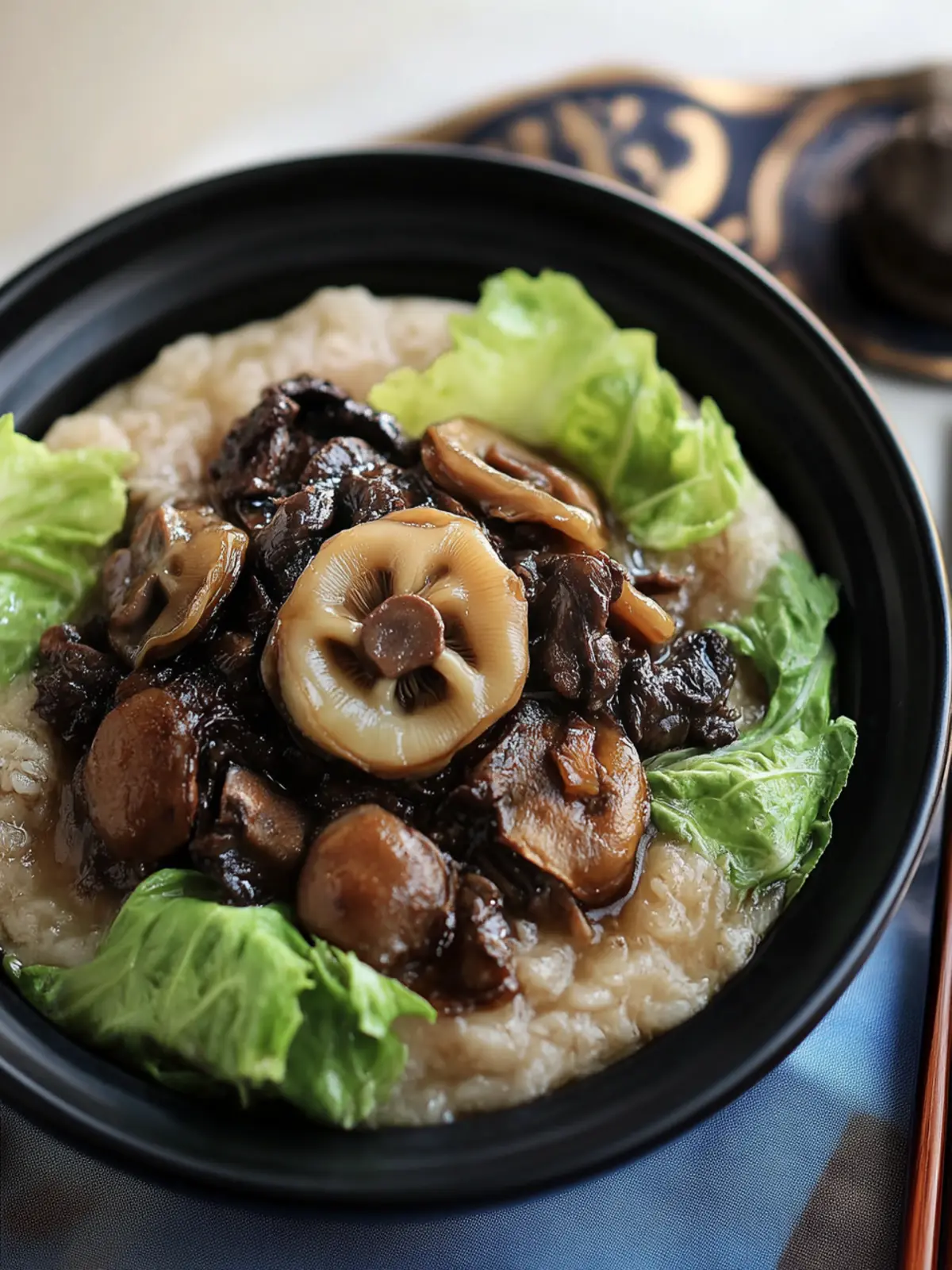
Haoshi Facai Variations
Get ready to explore a world of flavors and textures that transform the beloved Haoshi Facai into your own unique creation!
-
Plant-Based Delight: Replace dried oysters with marinated tofu or tempeh for a vegan twist, enhancing the heartiness without compromising flavor.
-
Mushroom Medley: Use a variety of mushrooms like shiitake, enoki, or oyster mushrooms to add depth and complexity to your stew.
-
Spicy Kick: Incorporate thinly sliced chili pepper or a touch of chili oil for a pleasantly spicy side that warms the soul.
-
Nutty Flavor Boost: Add a handful of roasted peanuts or cashews just before serving for an unexpected crunch and nutty richness.
-
Citrus Zing: Finish the dish with a squeeze of fresh lemon or lime juice to brighten the flavors and add a refreshing zing.
-
Herb Infusion: Toss in fresh herbs like cilantro or Thai basil right before serving to lend a fragrant, aromatic twist to the dish.
-
Sweet and Savory: For an interesting balance, blend in some diced sweet potatoes or carrots, simmering them alongside the other ingredients until tender.
-
Coconut Creaminess: Stir in a splash of coconut milk during cooking for an exotic, creamy flavor that enriches every bite beautifully.
Make Ahead Options
Haoshi Facai is a fantastic dish to prepare ahead of time, making it perfect for busy cooks during the Lunar New Year festivities! You can soak the dried oysters and mushrooms up to 24 hours in advance, ensuring they’re ready to go when you are. Additionally, you can prepare the stew base (step 2) and refrigerate it for up to 3 days. This way, the flavors will develop even more, making for a deeply savory dish. When you’re ready to serve, simply reheat the stew, add the lettuce just before plating, and garnish with scallions. This prep method ensures your Haoshi Facai remains just as delicious and helps you streamline mealtime!
How to Store and Freeze Haoshi Facai
-
Room Temperature: Haoshi Facai is best enjoyed fresh, but if left at room temperature, consume it within 2 hours to avoid safety risks.
-
Fridge: Store leftover Haoshi Facai in an airtight container in the fridge for up to 3 days. Reheat gently on the stovetop or microwave to retain its delicious flavors.
-
Freezer: For longer storage, freeze Haoshi Facai in an airtight container for up to 2 months. Thaw in the fridge overnight before reheating for a quick and tasty meal.
-
Reheating: Reheat gently over low heat, adding a splash of vegetable broth if needed to restore moisture. Enjoy this nourishing dish any time!
Expert Tips for Haoshi Facai
-
Soaking Time: Always soak dried oysters and mushrooms for at least 30 minutes; this rehydration brings out their rich flavors essential for a delightful Haoshi Facai.
-
Flavor Enhancement: Use homemade vegetable broth when possible; it enhances the stew’s taste significantly compared to store-bought varieties, enriching the overall experience.
-
Watch Liquid Levels: As the stew simmers, monitor the liquid; add more broth if necessary to prevent burning and ensure a juicy, luscious dish.
-
Freshness Matters: Incorporate the lettuce just before serving to preserve its crispness; this balances the richness of the stew and enhances texture.
-
Control Seasoning: Adjust soy sauce according to your taste preferences, keeping in mind that the flavor intensifies as it cooks in the Haoshi Facai.
-
Garnish for Appeal: Don’t skip the scallions—sprinkling them on top just before serving adds a pop of color and a fresh flavor that brightens the dish.
What to Serve with Haoshi Facai?
As you gather around the table to celebrate, consider these delightful pairings that elevate your Haoshi Facai experience.
-
Steamed Jasmine Rice: Offers a fragrant base that absorbs the rich flavors of the stew, enhancing each bite and making it comforting.
-
Garlic Stir-Fried Bok Choy: The crunchiness and mild sweetness of bok choy complements the umami notes of Haoshi Facai, bringing a fresh contrast to the dish.
-
Chilled Cucumber Salad: A light, refreshing side that balances the dish’s richness while providing a satisfying crunch, perfect for a festive spread.
-
Sesame Noodles: Their nutty flavors and chewy texture create harmony with the dish’s elements, making it a delightful accompaniment to your table.
-
Tea: A warm pot of Chinese tea helps cleanse the palate, complementing the savory notes and aiding digestion after a rich meal.
-
Sweet Red Bean Soup: As a dessert, its natural sweetness and smooth texture make for a delightful ending to your celebration, embracing cultural traditions beautifully.
-
Spring Rolls: Crispy on the outside and filled with vegetables, they offer a fun texture contrast, perfect for nibbling alongside the hearty stew.
Embrace these pairings to create a memorable dining experience infused with love and tradition!
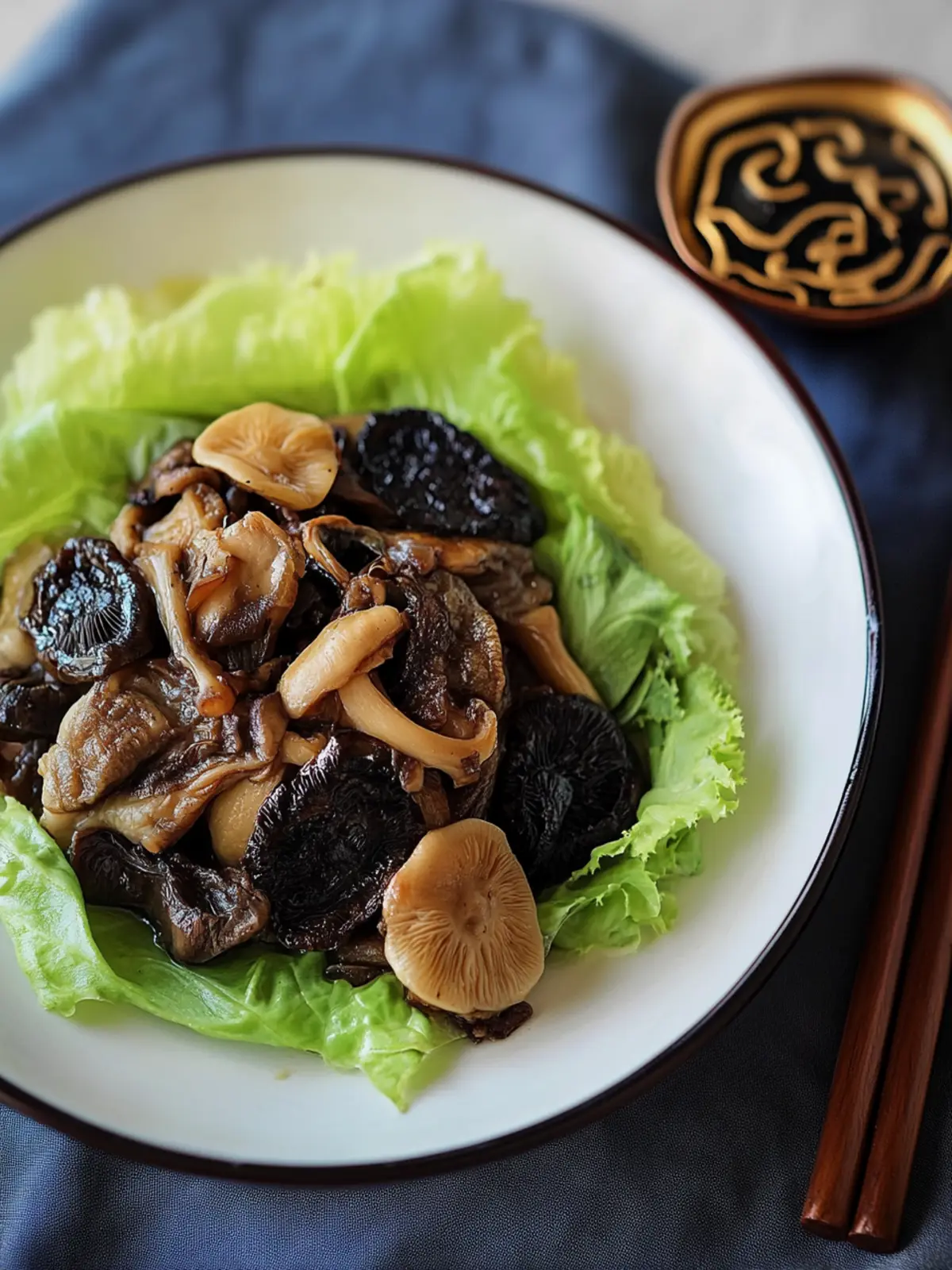
Haoshi Facai Recipe FAQs
How do I select the right dried oysters for Haoshi Facai?
Absolutely! Look for dried oysters that are plump and dark, with minimal broken pieces. They should have a pleasant oceanic aroma. Avoid any that appear overly dry or have a strong fishy odor, as freshness is key to enhancing the dish’s flavor.
What is the best way to store leftover Haoshi Facai?
You can store leftover Haoshi Facai in an airtight container in the refrigerator for up to 3 days. Just remember to reheat it gently over low heat, adding a splash of vegetable broth if it seems too thick or dry. This keeps your flavorful stew moist and delicious!
Can I freeze Haoshi Facai for later use?
Absolutely! To freeze Haoshi Facai, let it cool completely, then transfer it to an airtight container. It can be frozen for up to 2 months. When you’re ready to enjoy it again, thaw it in the fridge overnight and reheat on the stovetop, adding a little broth to help restore its luscious texture.
What should I do if my stew is too salty?
If you find your Haoshi Facai is too salty, don’t worry! You can balance the flavors by adding a bit more vegetable broth to dilute the saltiness. Alternatively, toss in an extra handful of lettuce or other vegetables to absorb some of the saltiness while enhancing the dish’s nutrition.
Can I use fresh facai instead of dried?
While dried facai (black moss) is traditional for this dish, you can use fresh if you prefer! Just be aware that the cooking time may vary. Fresh facai requires less time to cook, so add it towards the end of the simmering process to avoid overcooking.
Is Haoshi Facai suitable for people with dietary restrictions?
Very! To make Haoshi Facai suitable for various dietary needs, you can substitute the vegetable broth with a gluten-free version for those avoiding gluten. Additionally, ensure the soy sauce is gluten-free. This dish is naturally low in fat, making it a great option for lighter meals too!
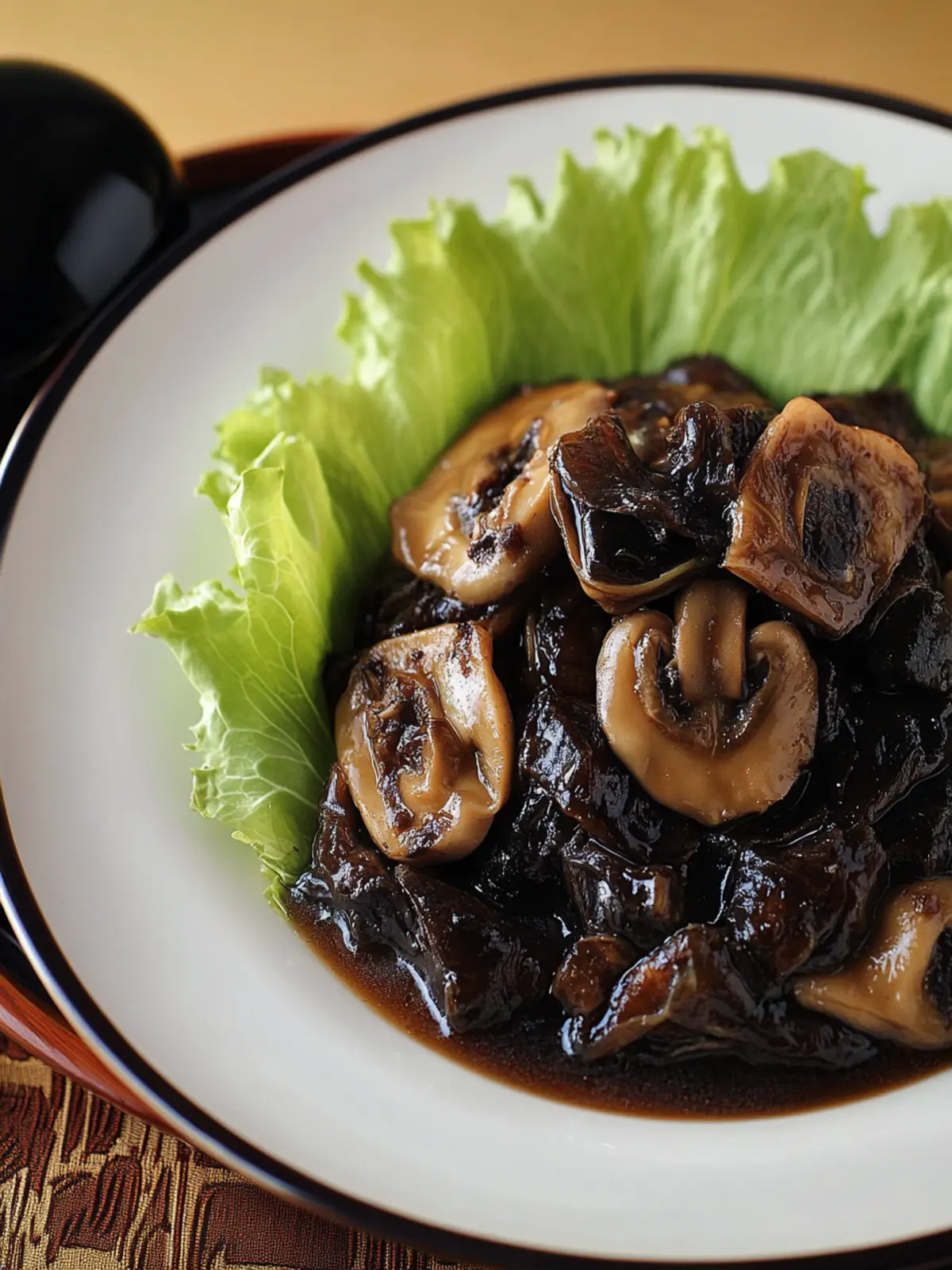
Haoshi Facai: Celebrate with Stewed Dried Oysters & Lettuce
Ingredients
Equipment
Method
- Soak the dried oysters and mushrooms in warm water for about 30 minutes until they are tender and rehydrated.
- In a medium-sized pot, combine the soaked oysters, mushrooms, facai, vegetable broth, and the reserved soaking liquid. Add soy sauce, sesame oil, and freshly grated ginger.
- Bring the mixture to a gentle boil, then reduce the heat to low. Let it simmer for about 25-30 minutes.
- Just before serving, incorporate the lettuce into the stew.
- Ladle the Haoshi Facai into bowls and garnish with chopped scallions before serving.