
There’s something undeniably comforting about the rich aroma of buttery Scottish shortbread wafting through the kitchen. This classic treat, often found gracing festive tables, encapsulates the essence of home baking—simple yet sophisticated, indulgent yet approachable. With just three delectable ingredients—butter, sugar, and flour—you can create a batch of these melt-in-your-mouth cookies that are perfect for gifting or enjoying during cozy evenings with a warm cup of tea.
Whether you’re reminiscing about family gatherings or making new memories with friends, this Scottish shortbread recipe brings a touch of tradition to your home. The easy preparation and the versatile nature of this sweet treat mean you can whip it up on a whim or plan for special occasions. Imagine the delight of serving these golden-brown petticoat tails, their crisp edges yielding to a tender inside, with everyone cheering for seconds. Join me as we dive into this heartfelt recipe that promises to brighten up your dessert table and make your loved ones feel cherished!

Why is Scottish Shortbread a must-try?
Simplicity at its core: With just three ingredients, anyone can master this delightful treat in no time!
Indulgent flavor: Buttery richness paired with a melt-in-your-mouth texture makes each bite unforgettable.
Versatile nature: Perfect for holidays, afternoon tea, or as a comforting gift, this shortbread suits every occasion.
Quick preparation: Bake a batch in under an hour, making it an ideal choice for spontaneous cravings or gatherings.
Crowd-pleaser appeal: Watch as friends and family savor these cookies, going back for seconds—as if by magic!
Scottish Shortbread Ingredients
-
For the Dough
-
All-Purpose Flour – Provides structure; substitute with gluten-free flour for a gluten-free version.
-
Butter (1/2 cup at room temperature) – Contributes rich flavor and tenderness; use salted or unsalted based on your taste preference.
-
Confectioner’s Sugar (1/3 cup) – Adds sweetness with a smooth finish, ensuring your Scottish shortbread is just right.
-
Vanilla or Almond Extract (1/2 tsp, optional) – Enhances the flavor profile; traditionalists can omit it for authenticity.
-
For Finishing Touches
-
Granulated Sugar – Sprinkled before serving for added texture and a delightful sweetness.
How to Make Scottish Shortbread
-
Preheat your oven to 325°F (160°C). Lightly spray your shortbread mold with baking spray to ensure easy release after baking. This step is essential for achieving that perfect shape!
-
Combine the ingredients in a stand mixer, or use electric beaters or a wooden spoon, mixing them until a cohesive dough forms. You want the dough to be soft and smooth, with no dry flour visible.
-
Press the dough evenly into the shortbread mold, making sure to fill all corners. Use plastic wrap to smooth the surface for that picture-perfect finish.
-
Bake for about 30 minutes until the edges turn golden brown. If the center appears shiny, give it a few extra minutes to firm up without burning.
-
Cool for 10 minutes in the mold to set, then carefully loosen the edges and invert onto a baking sheet. This step is crucial to maintain the shape and texture!
-
Sprinkle granulated sugar generously over the warm shortbread and slice it along the mold lines while still warm. This will create those lovely pieces that just melt in your mouth.
-
Store your fresh shortbread in an airtight container to keep them delicious and flavorful for days to come.
Optional: Sprinkle with a touch of sea salt before serving for a delightful contrast!
Exact quantities are listed in the recipe card below.
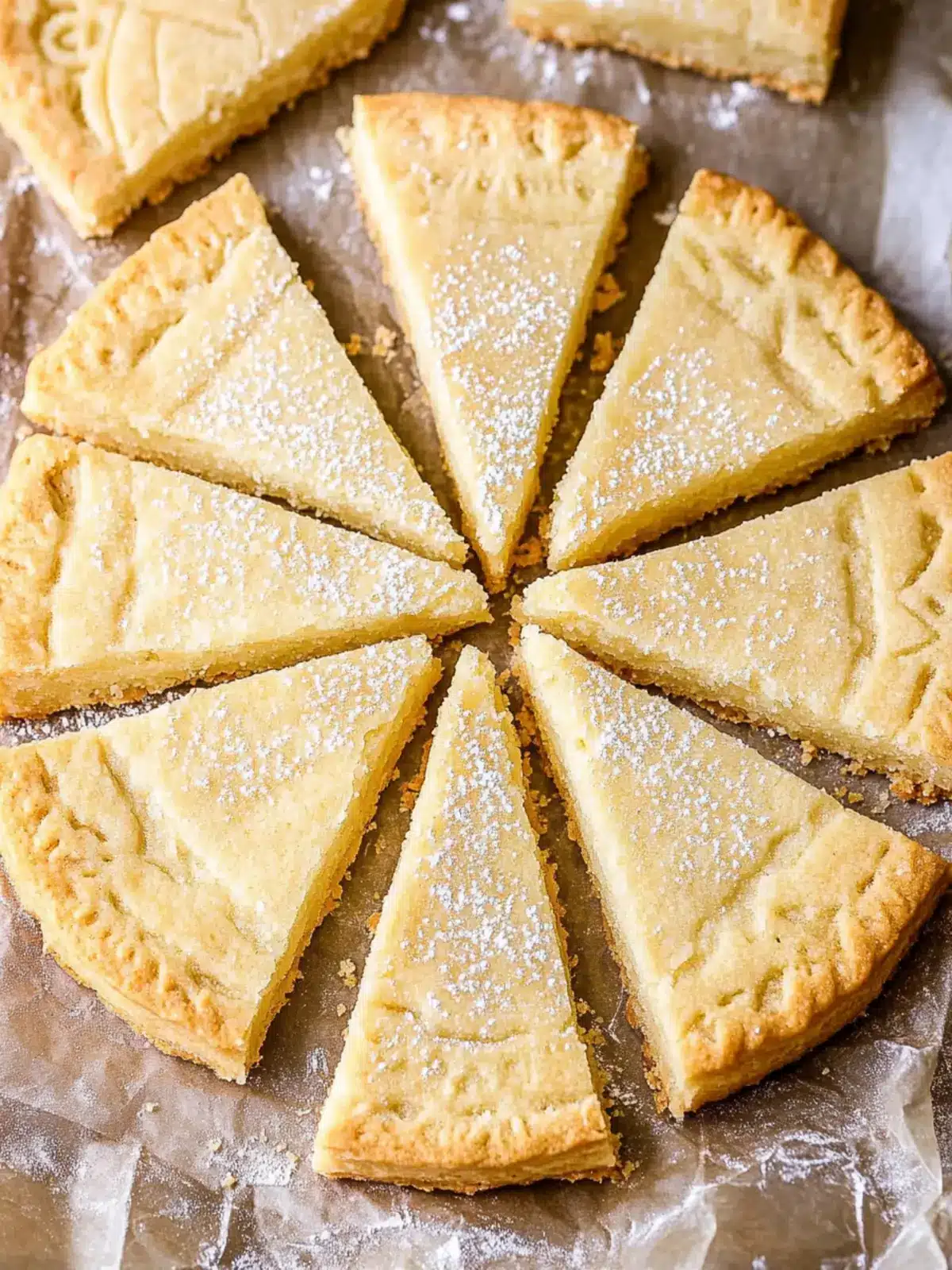
What to Serve with Scottish Shortbread?
Indulging in buttery, melt-in-your-mouth shortbread awakens the senses, making it easy to envision a complete meal experience.
-
Freshly Brewed Tea: The warmth of a classic Earl Grey or Darjeeling enhances the buttery richness of shortbread, creating a comforting pairing that’s perfect for afternoon tea.
-
Rich Hot Chocolate: A creamy, chocolatey drink perfectly complements the crisp texture of shortbread, creating a sweet treat for cozy evenings at home.
-
Seasonal Fruit Compote: A tangy fruit compote or citrus preserve adds a fresh burst of flavor that balances the richness of the cookies, making every bite a taste sensation.
-
Vanilla Ice Cream: Serving Scottish shortbread alongside creamy vanilla ice cream takes dessert to the next level. The cold ice cream contrasts delightfully with the cookie’s warm, crumbly texture.
-
Cheese Platter: Pairing shortbread with a mild cheese such as brie or goat cheese introduces sweet and savory notes, crafting a unique palate experience that’s delightful and unexpected.
Imagine gathering friends around a table with these delightful accompaniments, each one elevating the simple joy of homemade Scottish shortbread. Perfect for festive celebrations or quiet evenings, this collection makes every occasion special!
Expert Tips for Scottish Shortbread
-
Quality Ingredients: Always use high-quality butter for the best flavor; premium butters make a noticeable difference in your Scottish shortbread’s taste.
-
Proper Packing: Ensure the dough is packed well into the mold. This step helps maintain the shape when you invert the shortbread, preventing crumbling.
-
Optional Pricking: While not essential, pricking the dough lightly with a fork can help reduce air bubbles during baking, resulting in a smoother surface.
-
Cooling Time: Be patient while cooling before cutting. Allowing the shortbread to set will help it retain its shape and texture.
-
Freezer-Friendly: You can freeze the unbaked dough; simply wrap it tightly. This way, you can enjoy fresh homemade shortbread whenever the craving strikes!
How to Store and Freeze Scottish Shortbread
-
Room Temperature: Store your Scottish shortbread in an airtight container at room temperature for up to 1 week. This keeps them fresh and maintains that delightful texture.
-
Freezer: For longer storage, wrap the shortbread tightly in plastic wrap or aluminum foil and place them in a freezer-safe container. They can be frozen for up to 3 months without losing quality.
-
Thawing: When ready to enjoy, thaw the cookies at room temperature for about 30 minutes. This ensures they regain their lovely crumbly texture.
-
Reheating: If you prefer a warm treat, reheat the shortbread in a preheated oven at 300°F (150°C) for about 5-7 minutes to revive their fresh-baked flavor.
Make Ahead Options
These Scottish Shortbread cookies are perfect for meal prep, allowing you to indulge your sweet tooth any time! You can prepare the dough up to 24 hours in advance by combining the ingredients and pressing them into the shortbread mold. Simply cover the molded dough tightly with plastic wrap and refrigerate to maintain its freshness. When you’re ready to bake, just preheat your oven and pop the chilled mold directly into the oven; they will come out just as delicious as if made fresh! This makes enjoying homemade Scottish Shortbread a breeze for busy weeknights or holiday gatherings—your loved ones will appreciate the thoughtful treat!
Scottish Shortbread Variations
Feel free to get creative and make this classic recipe your own with a few simple adjustments!
-
Gluten-Free: Use a gluten-free all-purpose flour blend instead of regular flour for a celiac-friendly bite. Your shortbread will still be delightfully tender and rich!
-
Flavor Boost: Add zest of orange or lemon to the dough for a bright citrus note that elevates each cookie, creating a refreshing twist.
-
Nutty Twist: Incorporate finely ground almonds or pecans into the dough to add a subtle nutty flavor and extra crunch. This variation enhances the traditional buttery richness!
-
Spiced Shortbread: Mix in 1/2 teaspoon of cinnamon or nutmeg for a warm, cozy taste that’s perfect for the holidays, making your shortbread even more inviting.
-
Chocolate Dipped: After baking, dip half of each shortbread piece in melted dark or white chocolate and sprinkle with sea salt for an indulgent treat that’s irresistible.
-
Herbal Infusion: Experiment with adding 1/2 teaspoon of dried lavender or rosemary for a unique, sophisticated flavor that will surprise and delight your guests.
-
Sweet & Salty: Sprinkle a little sea salt on top before baking to enhance the flavor, giving a beautiful contrast to the sweetness without overwhelming it.
-
Caramel Drizzle: Once cooled, drizzle a bit of homemade caramel sauce on top for a sweet finishing touch that adds a luscious texture to each bite.
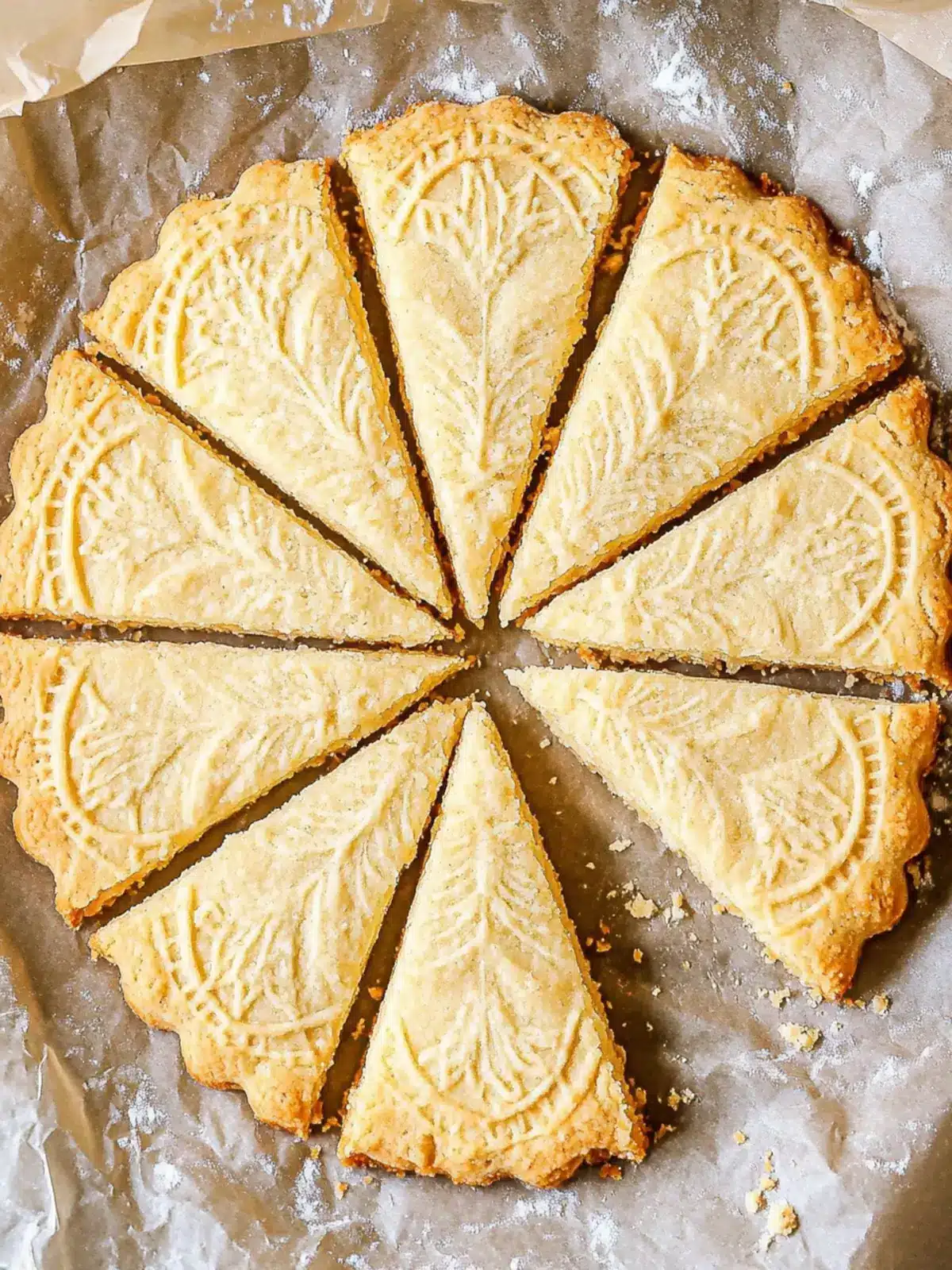
Scottish Shortbread Recipe FAQs
What type of flour is best for Scottish shortbread?
All-purpose flour is ideal as it provides the necessary structure for the shortbread. If you’re looking for a gluten-free option, feel free to substitute with gluten-free flour blends that work well for baking.
How should I store leftover Scottish shortbread?
To keep your Scottish shortbread fresh, store them in an airtight container at room temperature for up to 1 week. This protective method preserves their delightful texture and flavor, allowing you to enjoy them for days.
Can I freeze Scottish shortbread?
Absolutely! To freeze your Scottish shortbread, wrap them tightly in either plastic wrap or aluminum foil, then place them in a freezer-safe container. They’ll keep well for up to 3 months. When ready to indulge, thaw them at room temperature for about 30 minutes.
Why did my shortbread not hold its shape after baking?
If your shortbread crumbled or lost its shape, it may not have been packed tightly enough in the mold. Make sure to press the dough evenly and firmly into the mold before baking. Using quality butter also significantly enhances the structure and flavor, so don’t skip out on that!
Can dogs eat Scottish shortbread?
It’s best to avoid feeding your dog Scottish shortbread. The high butter and sugar content, along with potential additives in the flour, are not suitable for a dog’s diet. Always stick to dog-friendly treats to keep your furry friend happy and healthy.
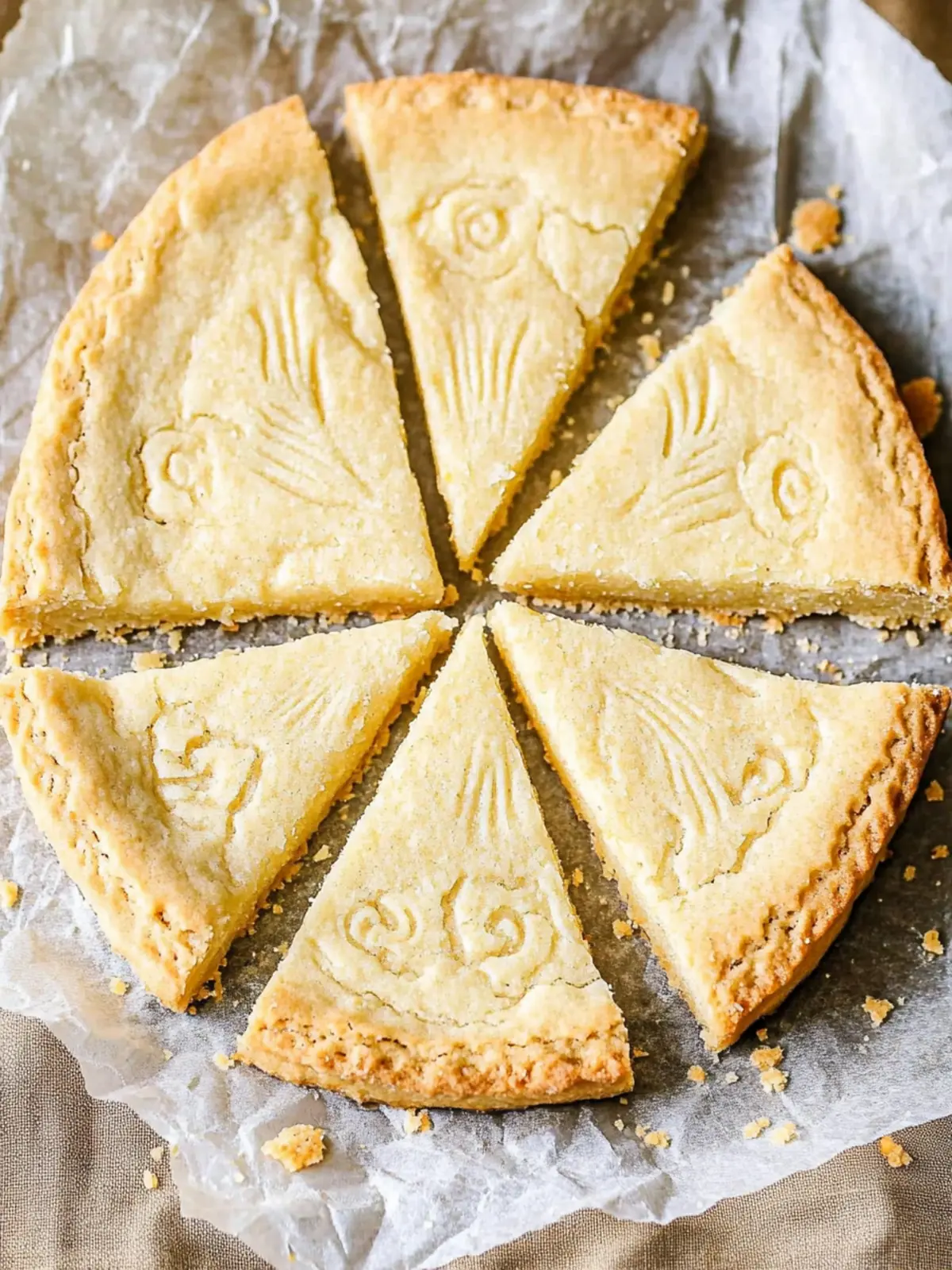
Melt-in-Your-Mouth Scottish Shortbread for Every Occasion
Ingredients
Equipment
Method
- Preheat your oven to 325°F (160°C) and spray your shortbread mold with baking spray.
- Combine the ingredients in a stand mixer until a cohesive dough forms.
- Press the dough evenly into the shortbread mold, smoothing the surface with plastic wrap.
- Bake for about 30 minutes until golden brown, adjusting the time if necessary.
- Cool for 10 minutes, then invert onto a baking sheet.
- Sprinkle granulated sugar over the warm shortbread and slice while still warm.
- Store in an airtight container for freshness.