
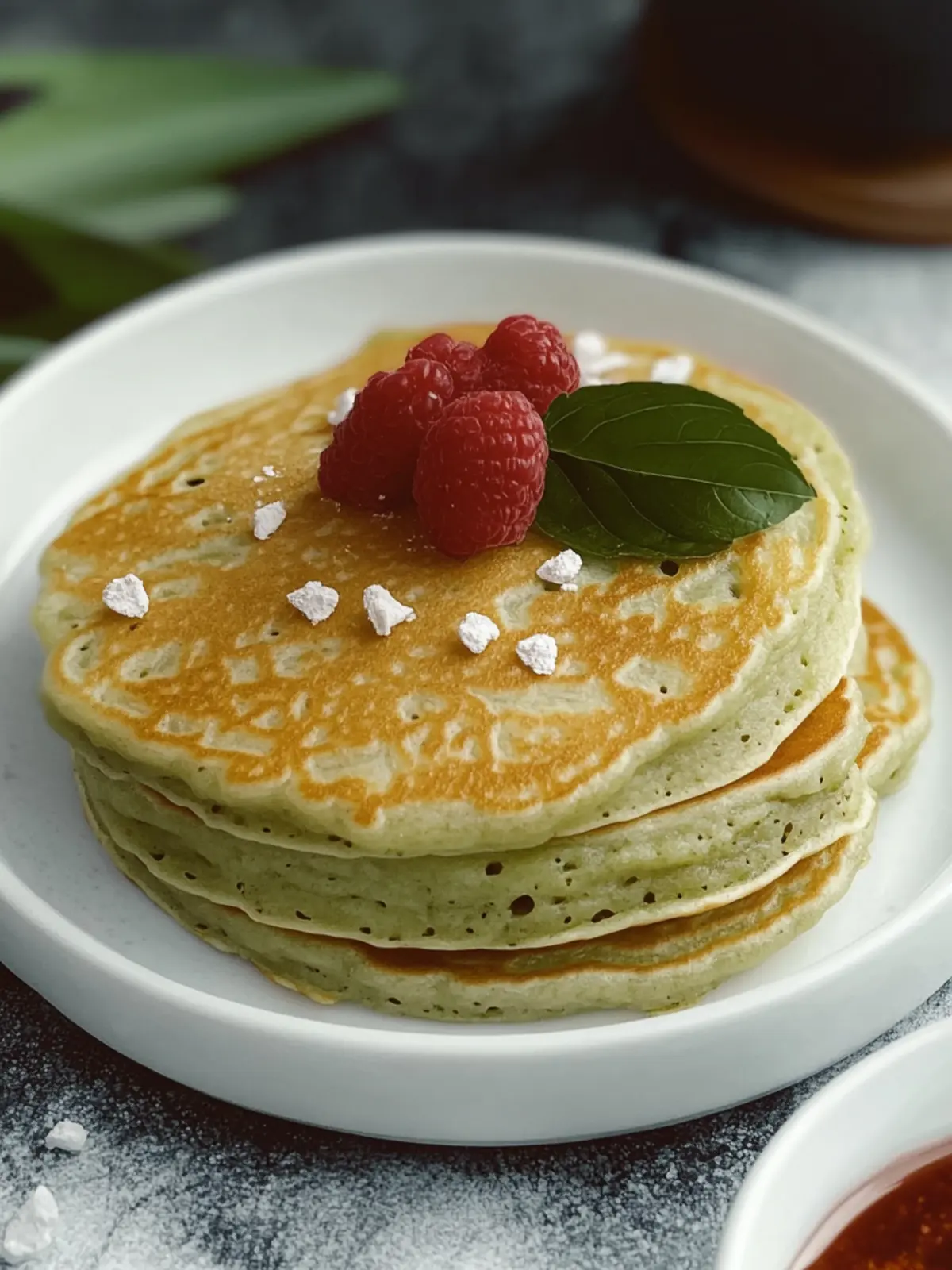
As I pulled the warm Serabi pancakes from the pan, the rich aroma of coconut wafted through my kitchen, immediately drawing in anyone nearby. These delightful Indonesian pancakes are more than just a treat; they are a connection to the vibrant culture of Indonesia, where they are often enjoyed fresh off the griddle. What sets them apart is their unique texture—a perfectly crisp edge surrounding a soft, spongy center that practically melts in your mouth. And when drizzled with a luscious coconut syrup, it’s a flavor combination that dances on your palate.
On a quest for a breakfast option that breaks away from the dull routine? Look no further! These gluten-free pancakes are a testament to the joyous, homemade spirit of cooking. You can enjoy them as a sweet indulgence or transform them into a savory delight, perfect for any time of day. Join me as we dive into the heart of this beloved recipe that not only satisfies your taste buds but also invites a taste of Indonesia into your home!

Why are Serabi (Indonesian Pancakes) a Must-Try?
Unique Flavor: The harmonious blend of coconut and rice flour creates a delightful taste that stands out from common breakfast dishes.
Gluten-Free Option: Perfect for anyone avoiding gluten, these pancakes are made primarily with rice flour, making them accessible for all diets.
Versatile Toppings: Enjoy them sweet with coconut syrup or go savory with spices and veggies, allowing creativity in every bite.
Quick and Easy: Simple ingredients and straightforward steps mean you can whip these up in no time, even on busy mornings!
Cultural Connection: Each bite reflects the rich culinary traditions of Indonesia, bringing a taste of cultural heritage right to your kitchen.
Crowd-Pleaser: Whether it’s breakfast, snack time, or dessert, these pancakes are guaranteed to impress guests and family alike.
Take your taste buds on a delightful journey with these delectable pancakes!
Serabi (Indonesian Pancakes) Ingredients
For the Batter
• Rice Flour – Provides the base structure for the pancake; a gluten-free alternative to wheat flour.
• Plain Flour – Adds tenderness and lightness to the batter; can be substituted with more rice flour for a completely gluten-free version.
• Instant Yeast – Helps the batter rise, creating a soft, airy texture; active dry yeast can be used as a substitute with slight modifications.
• Sugar – Offers sweetness and helps in browning; can be replaced with coconut sugar for a deeper flavor.
• Salt – Enhances flavor and balances sweetness, making it a crucial component in the batter.
• Coconut Milk (thick) – Adds creaminess and a rich coconut flavor; light coconut milk can be used but may alter the pancake’s texture.
• Water – Adjusts the batter consistency; use as needed to achieve a pourable texture.
• Pandan Leaf (optional) – Infuses the batter with a unique aroma and flavor; can be omitted if unavailable.
For the Coconut Syrup
• Coconut Sugar – Provides a deep sweetness with a caramel-like flavor; palm sugar is a suitable alternative.
• Thin Coconut Milk – Aids in creating a smooth syrup texture, enhancing the syrup’s richness.
• Salt (for syrup) – Balances the sweetness for a perfectly harmonized syrup flavor.
Elevate your breakfast with these delectable Serabi (Indonesian Pancakes)!
How to Make Serabi (Indonesian Pancakes)
-
Combine the warm coconut milk, sugar, and yeast in a bowl; let it sit for 10 minutes until it becomes frothy and bubbly. This activates the yeast, ensuring your pancakes will rise beautifully!
-
Sift together the rice flour, plain flour, and salt in a separate bowl; this prepares a well-mixed dry ingredient foundation that blends effortlessly with the yeast mixture.
-
Mix the yeast mixture into the dry ingredients, adding water gradually until you achieve a smooth and thick, pourable batter. Cover the bowl and let it rest in a warm place for 1 hour, until it’s bubbly and filled with air.
-
Prepare the syrup by gently simmering the coconut sugar, thin coconut milk, pandan leaf, and salt until everything is dissolved and slightly thickened; strain this mixture and set it aside for a lush finish!
-
Heat a small clay or non-stick pan over medium heat. Ladle the batter into the center, allowing it to spread naturally; cover and cook for 3–5 minutes until the edges are crisp and the top is set. Remember, no flipping needed!
-
Repeat the cooking process with the remaining batter, keeping the finished pancakes loosely covered to maintain softness and warmth until you’re ready to serve.
-
Serve the warm pancakes immediately, drizzling the heavenly syrup over the top or offering it in a small bowl for dipping. Feel free to garnish with grated coconut for that extra tropical touch!
Optional: A sprinkle of chopped mint adds a refreshing twist!
Exact quantities are listed in the recipe card below.

Serabi (Indonesian Pancakes) Variations
Get ready to put your own spin on these delightful pancakes with a variety of exciting twists and substitutions!
-
Savory Delight: Transform Serabi into a savory treat by topping with shredded coconut, spring onions, or spicy fermented soybean. These additions create a flavor explosion that is sure to wake up your taste buds.
-
Dairy-Free Option: Substitute regular coconut milk with homemade almond milk for a nutty flavor that’s still creamy and delightful. This gives a unique twist while keeping your pancakes vegan-friendly.
-
Flavorful Fruits: Add mashed bananas or finely chopped mangoes to the batter for a fruity burst in every bite. This not only boosts the flavor but also adds natural sweetness!
-
Spice it Up: For a hint of warmth, incorporate a pinch of cinnamon or nutmeg into the batter. These spices complement the coconut beautifully and add a cozy touch.
-
Nutty Crunch: Mix in chopped walnuts or almonds to the batter for a delightful crunch. The texture contrasts perfectly with the soft and spongy pancakes.
-
Cheesy Bliss: For a cheesy twist, try adding shredded cheese directly into the batter. This unexpected addition elevates your Serabi into a more hearty dish.
-
Chocolatey Treat: Stir in cocoa powder or mini chocolate chips for an indulgent dessert version of Serabi. Pair with a drizzle of chocolate syrup for an irresistible sweet treat!
-
Herb Infusion: Experiment by adding finely chopped fresh herbs like basil or mint to the batter. This freshness brings a new flavorful dimension that is bound to delight!
Storage Tips for Serabi (Indonesian Pancakes)
Room Temperature: Keep leftover Serabi pancakes in an airtight container for up to 2 days at room temperature. Ensure they are not stacked to maintain their texture.
Fridge: Store pancakes in the fridge for up to 5 days. Use an airtight container, placing parchment paper between layers to avoid sticking.
Freezer: For longer storage, freeze pancakes in a single layer until solid, then transfer to a freezer-safe bag for up to 2 months. Reheat directly from the freezer.
Reheating: Gently reheat pancakes in a non-stick pan over low heat for 2-3 minutes on each side, or microwave in short intervals to prevent drying out. Enjoy warm with coconut syrup!
What to Serve with Serabi (Indonesian Pancakes)?
Dreaming of a delightful spread to accompany these airy pancakes?
-
Fresh Tropical Fruit: Brighten your plate with strawberries, mangoes, or bananas, adding refreshing sweetness and vibrant color.
-
Coconut Flakes: A sprinkle of toasted coconut flakes enhances the tropical flavor of the pancakes, creating a lovely crunchy contrast.
-
Spicy Sambal: For the adventurous palate, a side of sambal offers a fiery kick that perfectly balances the sweetness of Serabi, inviting those craving a savory experience.
-
Creamy Yogurt: Serve with a dollop of coconut or vanilla yogurt for a creamy finish that complements the pancake’s texture and flavor.
-
Herbal Tea: A warm cup of jasmine or pandan tea carries those exotic notes and adds a soothing touch to your meal, making every bite feel special.
-
Savory Filling Options: Consider serving Serabi Asin topped with chopped spring onions or shredded vegetables, creating a delightful savory twist to enjoy with the syrup.
Embrace these delicious combinations for a well-rounded meal that transforms each bite into a memorable experience!
Expert Tips for Serabi (Indonesian Pancakes)
-
Heat Control: Always preheat your pan adequately; this ensures a perfect crisp on the edges while keeping the center fluffy.
-
Batter Consistency: Make sure the batter is thick yet pourable. Adjust the water gradually for the best texture; too thin will lead to flat pancakes.
-
Avoid Flipping: Don’t flip the pancakes! Cooking from the top ensures they cook through perfectly without losing their airy texture.
-
Cover Them Up: Once cooked, keep the pancakes loosely covered to retain moisture, preventing them from becoming dry as you finish the batch.
-
Experiment with Toppings: Be adventurous! Try different toppings ranging from savory spices to fruity syrups to make your Serabi an exciting treat every time.
Enjoy the delightful experience of making your very own Serabi (Indonesian Pancakes)!
Make Ahead Options
These Serabi (Indonesian Pancakes) are perfect for meal prep enthusiasts! You can prepare the batter up to 24 hours in advance by mixing the wet and dry ingredients separately, then combining them just before cooking. Simply cover the bowl with plastic wrap and refrigerate it to maintain freshness. If you prefer, you can also cook the pancakes in advance; keep them in an airtight container in the fridge for up to 3 days. When you’re ready to enjoy, simply reheat them in a non-stick pan over low heat for about 2–3 minutes before serving with your delicious coconut syrup. This way, you’ll have restaurant-quality Serabi ready in no time, saving you precious minutes on busy mornings!
Serabi (Indonesian Pancakes) Recipe FAQs
How do I select ripe ingredients for Serabi pancakes?
Absolutely! For the best flavor, use fresh coconut milk and ensure the rice flour is finely milled. Checking for any lumps in the flour will help maintain a smooth batter. If using pandan leaves, look for vibrant green ones, as this indicates freshness and optimal flavor.
What is the best way to store leftover Serabi pancakes?
I recommend storing leftover pancakes in an airtight container and keeping them at room temperature for up to 2 days. If you find yourself with more pancakes than you can eat, pop them in the fridge for up to 5 days. Just be sure to place parchment paper between each pancake to prevent them from sticking together!
Can I freeze Serabi pancakes?
Yes, you can! To freeze, lay the pancakes in a single layer on a baking sheet and place them in the freezer until they’re solid. Once they’re frozen, stack them in a freezer-safe bag. They can be stored for up to 2 months. When ready to enjoy, reheat directly from the freezer in a non-stick pan over low heat for 2-3 minutes on each side.
What should I do if my batter is too runny?
Very! If your batter turns out to be too thin, you can add a tablespoon of rice flour at a time until it thickens to a pourable consistency. Keep in mind that a thicker batter holds its shape better and results in fluffier pancakes. Adjust gradually to avoid overshooting.
Are Serabi pancakes suitable for everyone?
Yes, these pancakes are gluten-free, thanks to the rice flour! However, if you or anyone you’re serving has allergies, always double-check for any specific dietary restrictions, especially with ingredients like coconut milk and sugars. Consider using coconut sugar if you’re avoiding refined sugars, as it adds a delightful flavor.
Can I make Serabi pancakes in advance?
Definitely! You can prepare the batter the night before and refrigerate it. Just remember to bring it back to room temperature before cooking. This way, you can have freshly cooked pancakes on the table in minutes!

Delicious Serabi Indonesian Pancakes with Coconut Bliss
Ingredients
Equipment
Method
- Combine the warm coconut milk, sugar, and yeast in a bowl; let it sit for 10 minutes until frothy.
- Sift together the rice flour, plain flour, and salt in a separate bowl.
- Mix the yeast mixture into the dry ingredients, adding water gradually until smooth and thick.
- Cover the bowl and let it rest in a warm place for 1 hour.
- Prepare the syrup by simmering coconut sugar, thin coconut milk, pandan leaf, and salt until dissolved.
- Heat a pan over medium heat, ladle batter, cover, and cook for 3-5 minutes until crisp.
- Repeat with remaining batter, keeping finished pancakes covered.
- Serve warm with coconut syrup or offer in a bowl for dipping.