
The moment the fragrant aroma of garlic mingled with the lively notes of lime and tamarind wafted through my kitchen, I knew I was onto something special. This traditional Pad Thai recipe is more than just a meal; it’s a delightful journey to the bustling streets of Thailand, where every bite tells a story of flavors and culture. After a week spent grappling with fast food and bland meals, I longed for something vibrant and authentic—something that could impress family and friends without exhausting my evening.
This recipe embraces the unique ingredients of banana flower, crispy bean sprouts, and perfectly stir-fried tofu, creating a dish that not only sings with flavor but is also a breeze to prepare. Have you ever felt that cooking can be both an art and a solace? With just 40 minutes from prep to plate, I promise you’ll transform your kitchen into a masterpiece of bold tastes. Let’s dive into this crowd-pleaser—your tastebuds will thank you!

Why is Traditional Pad Thai a must-try?
Authentic Flavors: Experience a symphony of tastes with aromatic garlic, tangy tamarind, and zesty lime, all harmonizing beautifully.
Quick and Easy: With just 40 minutes from prep to plate, this dish fits perfectly into a busy weeknight routine.
Versatile Ingredients: Customize your Pad Thai by swapping proteins or adding your favorite veggies for a personal touch.
Impressive Crowd-Pleaser: Serve it at your next gathering, and watch your guests rave about this beloved Thai classic!
Healthier Alternative: Say goodbye to fast food; this recipe uses fresh, wholesome ingredients that not only taste great but nourish your body.
Dive into the world of flavors with this delicious Pad Thai recipe, and if you’re eager for more international dishes, check out my easy homemade ramen.
Traditional Pad Thai Ingredients
Elevate your homemade experience with these flavorful components!
For the Noodles
• Thai rice noodles – These provide the perfect chewy texture; soak them first for best results.
For the Stir-Fry
• Cooking oil – Essential for frying and enhancing flavors; use a light oil to keep it healthy.
• Chopped garlic – Adds a punch of aromatic goodness to your dish.
• Chopped shallot – Brings a sweet oniony flavor that complements the savory elements.
• Julienne pressed tofu – Offers a wonderful protein boost and a satisfying texture.
• Chopped preserved turnip – Infuses the dish with a unique briny taste that heightens flavor complexity.
• Ground dried chili pepper – Adds a subtle kick; adjust to your spice preference.
• Fish sauce – A must-have for authentic flavor; adds depth and umami.
For the Toppings
• Bean sprouts – Bring a refreshing crunch; toss them in just before serving for vibrancy.
• Chinese chives – Add a mild onion flavor and beautiful color; use the green parts for best results.
• Dried shrimp – These contribute a delightful seafood essence; you can substitute with extra tofu if needed.
• Toasted and crushed peanuts – Sprinkle these on top for a nutty crunch and satisfying finish.
• Ground pepper – A sprinkle adds seasoning and a touch of warmth.
For the Flavor Boosters
• Sugar – Balances the savory and sour notes, making each bite more exciting.
• Tamarind paste – Essential for the tangy-sweet taste that defines Traditional Pad Thai.
• Egg – Scramble into the dish for creaminess and extra protein.
• Lime – A squeeze at the end brightens the flavors and adds zest.
• Quartered banana flower – An intriguing ingredient that adds a slight bitterness and beautiful presentation; rub with lime juice to keep it fresh.
Gather these ingredients to bring this Traditional Pad Thai alive in your kitchen!
How to Make Traditional Pad Thai
-
Soak the noodles in lukewarm water for about 15 minutes. This ensures they become flexible, making them easy to stir-fry later on. Drain them when ready to use.
-
Prep your ingredients by toasting and coarsely grinding the peanuts. Chop garlic, shallots, and preserved turnip. Cut the Chinese chives into manageable pieces, and quarter the banana flower rub with lime juice to prevent browning.
-
Heat your wok over medium heat and add the cooking oil. Let it warm up for a minute, allowing flavors to build as you prepare the dish.
-
Add the chopped shallots and garlic to the wok. Stir for about 30 seconds until fragrant, then introduce the preserved turnip and tofu. Stir for a minute until the tofu takes on a golden hue.
-
Incorporate the drained noodles and ground dried chili pepper. Gently stir to separate the strands and encourage quick cooking. If the noodles feel stiff, add water gradually until they soften.
-
Mix in the ground chili pepper, fish sauce, sugar, and tamarind, stirring well until all the ingredients are blended beautifully, creating a harmonious flavor.
-
Include the dried shrimp while stirring continuously to ensure the flavors meld nicely with the noodles. Taste and adjust seasonings if needed.
-
Create space by pushing the noodles to one side of the wok. Drop the egg into the cleared area and scramble thoroughly before mixing it back into the noodles, ensuring it’s cooked through.
-
Fold in half of the bean sprouts and Chinese chives while stirring quickly to retain their crispness. This adds freshness just before plating.
-
Plate your dish and sprinkle with ground pepper and crushed peanuts. Decorate with the remaining bean sprouts and Chinese chives, along with a lime wedge for that perfect finishing touch!
Optional: Serve with extra lime or chili flakes on the side for guests to customize their experience.
Exact quantities are listed in the recipe card below.
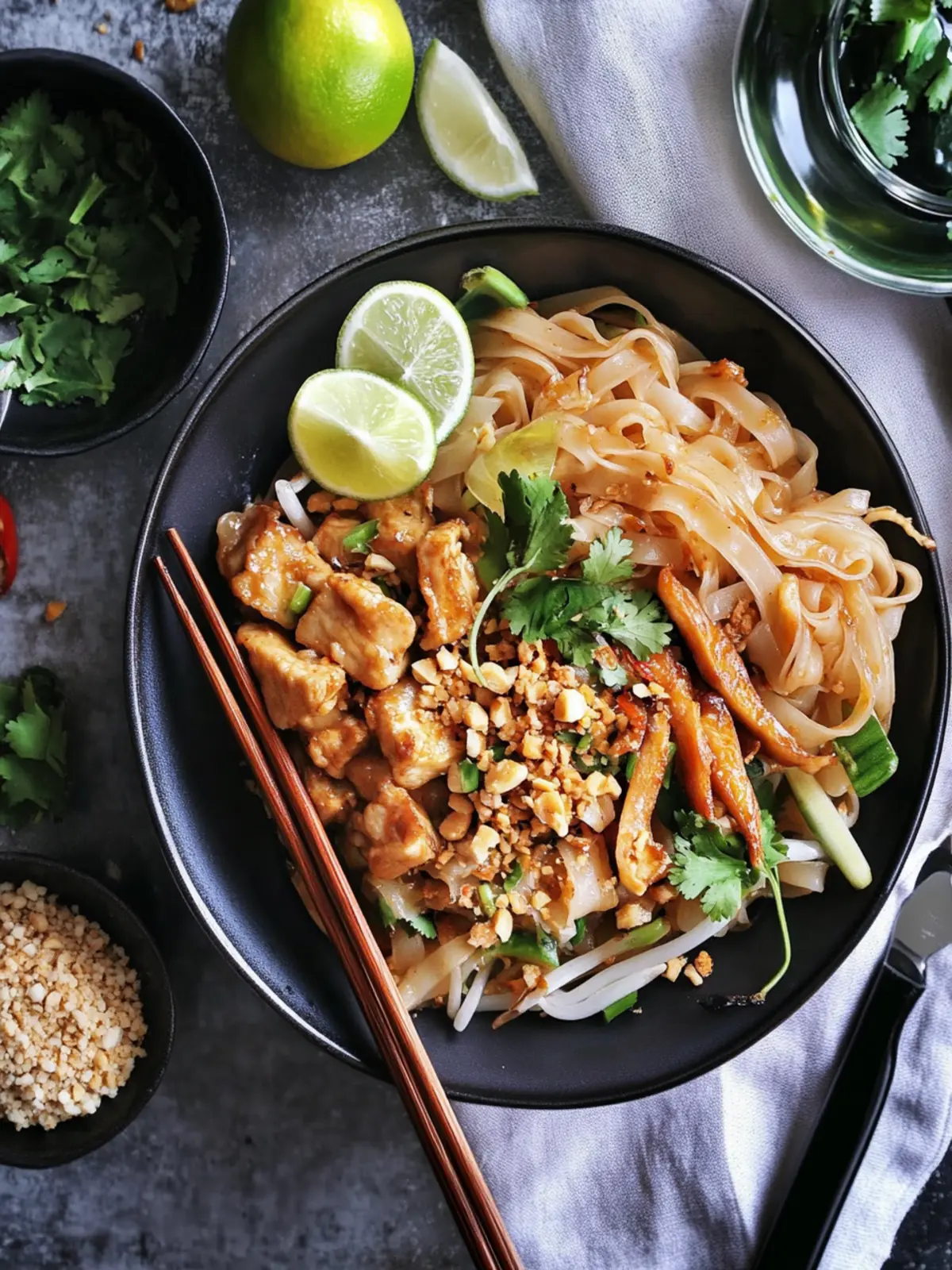
Traditional Pad Thai Variations
Feel free to explore these delicious variations for a personalized twist on this classic dish!
-
Vegetarian: Replace dried shrimp with extra tofu or tempeh for a plant-based option that’s still satisfying.
-
Gluten-Free: Substitute Thai rice noodles with rice vermicelli or zucchini noodles, allowing you to enjoy Pad Thai without gluten.
-
Spicy Kick: Add fresh Thai bird’s eye chilies or a dash of sriracha to ramp up the heat and awaken your taste buds.
-
Nut-Free: Omit peanuts and swap them with sunflower seeds for that delightful crunch without the allergens.
-
Veggie-Packed: Toss in bell peppers, carrots, or snap peas during the stir-fry for an extra burst of color and nutrition.
-
Creamy Texture: Stir in coconut milk along with the tamarind for a rich, creamy flavor that elevates your dish to new heights.
-
Noodle Twist: Try using udon noodles instead of traditional rice noodles for a chewier texture that adds a fun twist.
-
Chef’s Signature: Add your favorite protein—like chicken, shrimp, or even lobster—for a gourmet touch that will impress any dinner guest.
Expert Tips for Traditional Pad Thai
-
Soak Noodles Properly: Ensure your Thai rice noodles are soaked in lukewarm water for exactly 15 minutes for optimal flexibility; over-soaking can lead to mushiness.
-
Fresh Ingredients: Use fresh ingredients when possible, especially the tofu and vegetables, to enhance the overall flavor of your Traditional Pad Thai.
-
Stir-Fry Technique: Keep the wok at medium heat throughout the cooking process. High heat can quickly overcook the ingredients while low heat may not achieve the desired browning.
-
Taste as You Cook: Don’t hesitate to adjust the seasonings, especially the fish sauce and sugar, to match your personal preference. Each ingredient balances the complex flavors beautifully.
-
Crunchy Toppings: Add the bean sprouts and chives at the end of cooking to maintain their crunch. This ensures a delightful contrast in textures with the soft noodles.
-
Customize Spice Levels: Adjust the amount of ground dried chili pepper to suit your taste, ensuring that the dish retains its signature flavor without being overwhelmingly spicy.
Make Ahead Options
These Traditional Pad Thai ingredients are perfect for meal prep enthusiasts! You can chop the garlic, shallots, preserved turnip, and Chinese chives up to 24 hours in advance and store them in airtight containers in the refrigerator to maintain freshness. Additionally, you can soak the rice noodles and keep them in water, rinsed before use, for up to 3 days. When you’re ready to enjoy this flavorful dish, simply stir-fry the prepped ingredients with the fresh components like the egg and bean sprouts, and then add the soaked noodles at the end. This way, you’ll have an authentic Traditional Pad Thai on your table with minimal effort and just as delicious as if you prepared it fresh!
What to Serve with Traditional Pad Thai?
Planning the perfect meal around this delicious Thai dish invites a blend of flavors that will transform any dinner table.
-
Fresh Summer Rolls: These light rolls filled with crisp vegetables and herbs complement the savory notes of Pad Thai, adding a refreshing bite. Serve with a tangy peanut sauce to enhance the flavor experience.
-
Coconut Rice: Creamy, coconut-infused rice offers a delightful contrast to the spicy and tangy Pad Thai, creating a well-rounded meal. It balances the flavors beautifully, ensuring every bite is a pleasure.
-
Thai Cucumber Salad: This crunchy salad is brightened with lime and sugar, cutting through the richness of the Pad Thai. Enjoy the refreshing crispness as it resets your palate.
-
Mango Sticky Rice: A luscious dessert of sweet mangoes and creamy coconut rice, it’s the perfect ending to your Thai-inspired meal. The sweetness intertwines effortlessly with the savory notes of your main dish.
-
Lemongrass Iced Tea: Cool and aromatic, this drink pairs wonderfully with Pad Thai. The citrusy essence brings brightness and refreshment, making it an ideal companion.
-
Crushed Peanuts: Sprinkle additional crushed peanuts on the side as a topping. Their smoky crunch mirrors the texture of the Pad Thai, enhancing every bite.
-
Lime Wedges: Offering a zesty squeeze of lime alongside the dish brightens the entire meal, amplifying the tangy elements of your Traditional Pad Thai.
How to Store and Freeze Traditional Pad Thai
Fridge: Keep any leftover Traditional Pad Thai in an airtight container for up to 3 days to maintain freshness.
Freezer: For longer storage, freeze individual portions in airtight bags or containers for up to 2 months. Thaw overnight in the fridge before reheating.
Reheating: Gently reheat in a skillet over low heat, adding a splash of water or lime juice to bring back moisture and flavor.
Room Temperature: Avoid leaving cooked Pad Thai at room temperature for more than 2 hours to prevent foodborne illness.
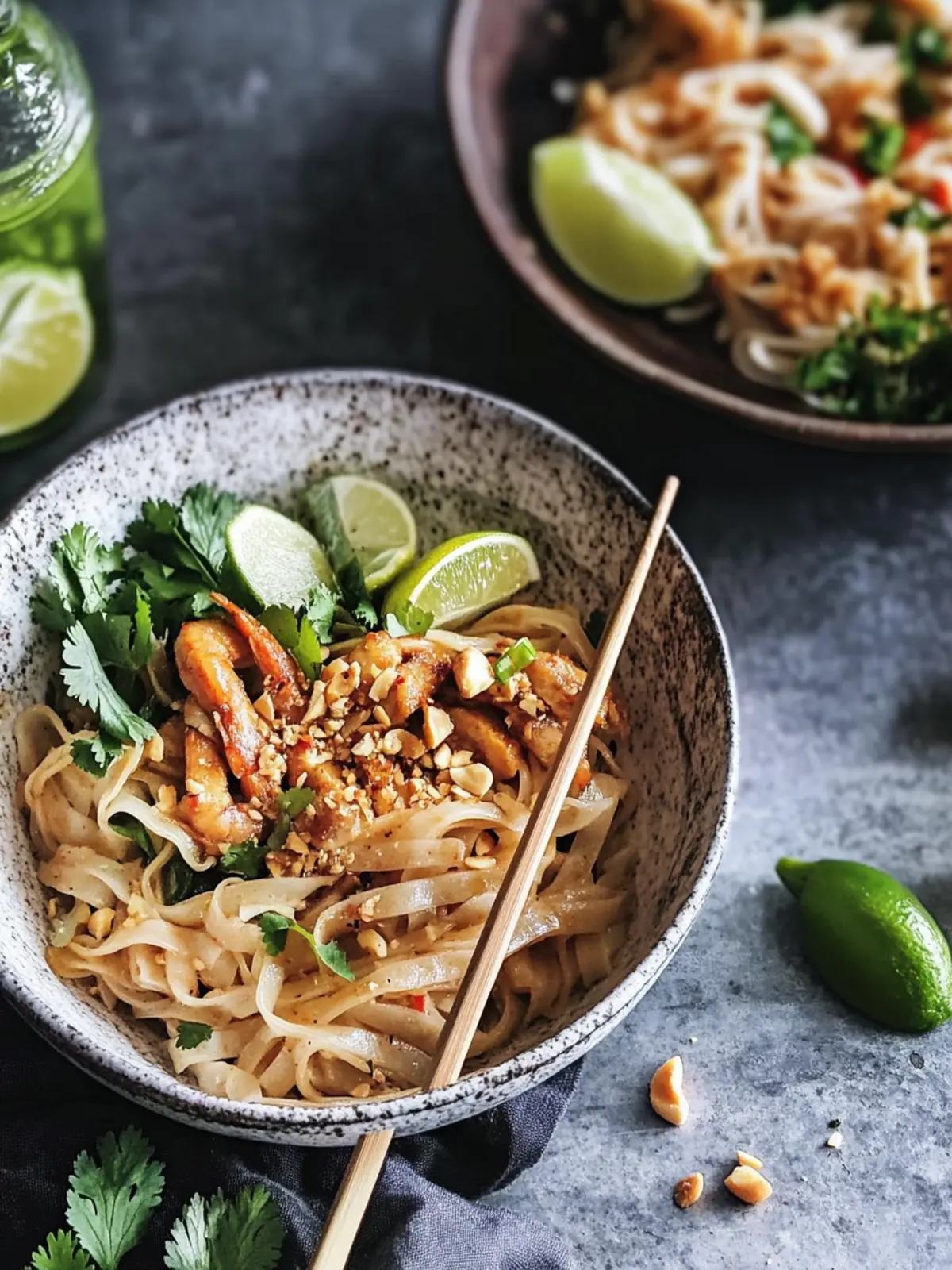
Traditional Pad Thai Recipe FAQs
What type of banana flower should I use?
Absolutely! Choose a fresh banana flower that’s firm and free from dark spots. Ideally, it should be pale to medium purple; this indicates ripeness while ensuring it maintains its unique flavor and texture when cooked.
How should I store leftover Traditional Pad Thai?
You can keep leftover Pad Thai in an airtight container in the fridge for up to 3 days. If you want to savor it later, consider freezing individual portions in airtight bags or containers for up to 2 months. This method helps maintain the flavors and textures.
Can I freeze Traditional Pad Thai? What’s the best way?
Definitely! To freeze, portion the cooled Pad Thai into airtight containers or resealable freezer bags, ensuring they’re sealed tightly to prevent freezer burn. For best results, enjoy it within 2 months. When you’re ready to eat, thaw it overnight in the fridge. Then, reheat gently in a skillet, adding a splash of water or lime juice to revitalize the dish.
How can I troubleshoot sticky noodles in my Pad Thai?
Very! If your noodles are sticking together, it can happen for a couple of reasons. First, make sure they’re soaked properly in lukewarm water for exactly 15 minutes. If they’re too stiff when adding them to the wok, my trick is to sprinkle in a tablespoon of warm water while stir-frying. This helps them loosen up without overcooking.
Is there a way to make Traditional Pad Thai gluten-free?
For gluten-free versions, simply swap out the fish sauce with a gluten-free alternative, like tamari or coconut aminos. Additionally, ensure the rice noodles are labeled gluten-free, as most are, but it’s always good to double-check! This way, everyone can enjoy this delicious dish.
Are there any dietary considerations for pets or allergies?
Absolutely! This recipe contains fish sauce and dried shrimp, which can be harmful to pets, particularly dogs, so be cautious. If you have allergies, always check ingredient labels for any allergens and ensure substitutes fit your dietary needs. If in doubt, consult with your healthcare provider or consider a completely veggie version to be safe!
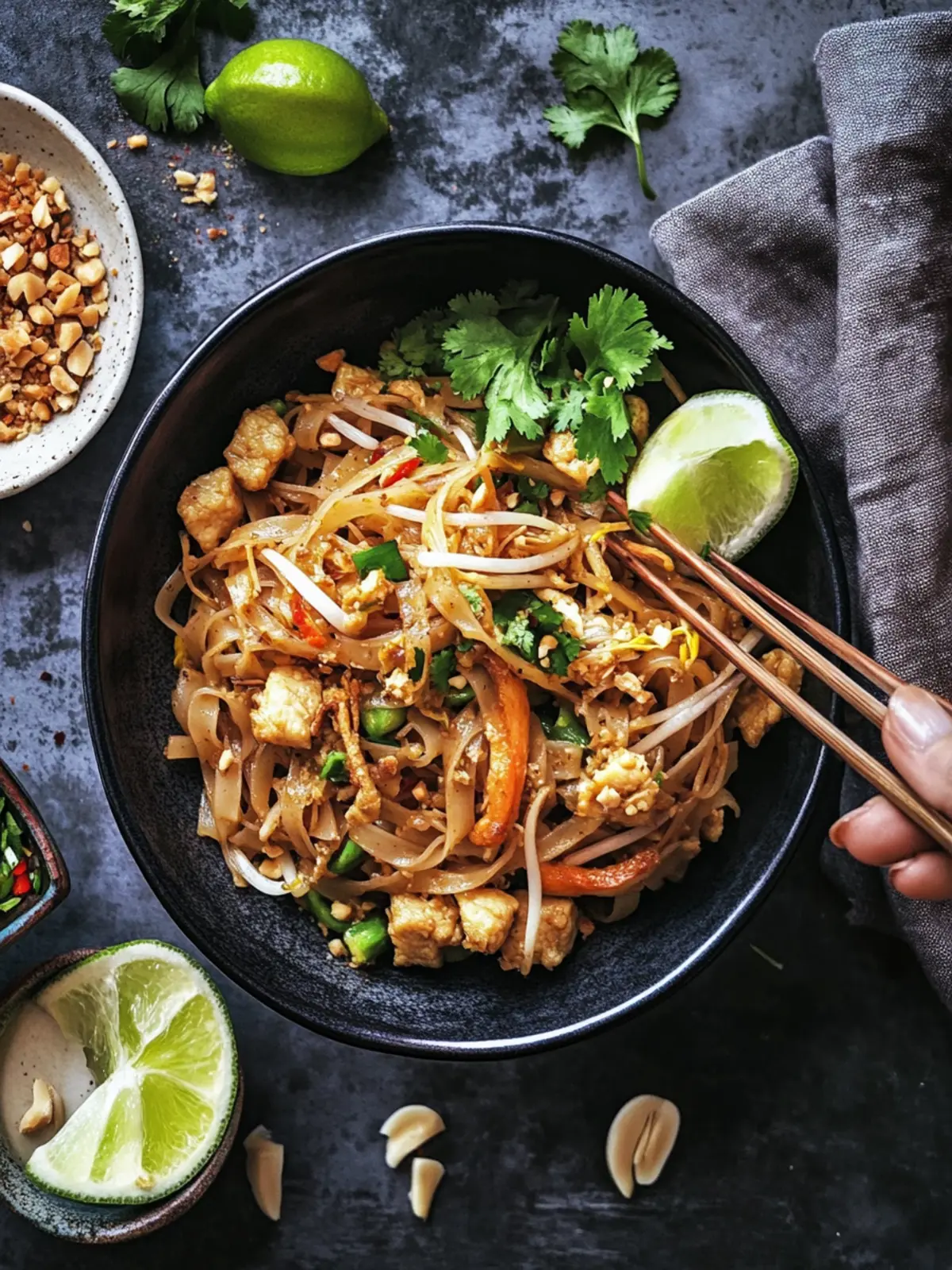
Elevate Dinner with Authentic Traditional Pad Thai Recipe
Ingredients
Equipment
Method
- Soak the noodles in lukewarm water for about 15 minutes. Drain when ready to use.
- Prep your ingredients by toasting and coarsely grinding the peanuts. Chop garlic, shallots, and preserved turnip. Cut the Chinese chives and quarter the banana flower.
- Heat your wok over medium heat and add the cooking oil.
- Add chopped shallots and garlic to the wok, stirring for about 30 seconds until fragrant.
- Introduce the preserved turnip and tofu, and stir for a minute until tofu is golden.
- Incorporate the drained noodles and ground dried chili pepper. Stir gently to separate strands.
- Mix in fish sauce, sugar, and tamarind, stirring well.
- Add dried shrimp while stirring continuously for flavors to meld.
- Create space in the wok, drop in the egg and scramble, then mix it back into the noodles.
- Fold in half of the bean sprouts and Chinese chives just before plating.
- Plate the dish and sprinkle with ground pepper and crushed peanuts, decorating with remaining toppings and a lime wedge.